

Artist Uli Van Neyghem welcomes us into her farmhouse in Céligny, where art, interior decoration, motherhood, and a love of calmness and balance have shaped both her home and creativity.
On a rainy Monday, some twenty kilometers away from busy Geneva, I arrived in Céligny; a tiny, picturesque village hidden in greenery and quietude, overlooking Lake Geneva.
A grey cat guided me through the village center to the doors of my interlocutor for the day: Uli Van Neyghem, an artist and a painter, though her creativity unfolds in layers. Where one part of her art ends, another begins. Calm, talkative, warm, and open, she and her husband welcomed me with graceful hospitality.
Over black coffee and biscuits served in a beautiful grey tea set, our conversation began.
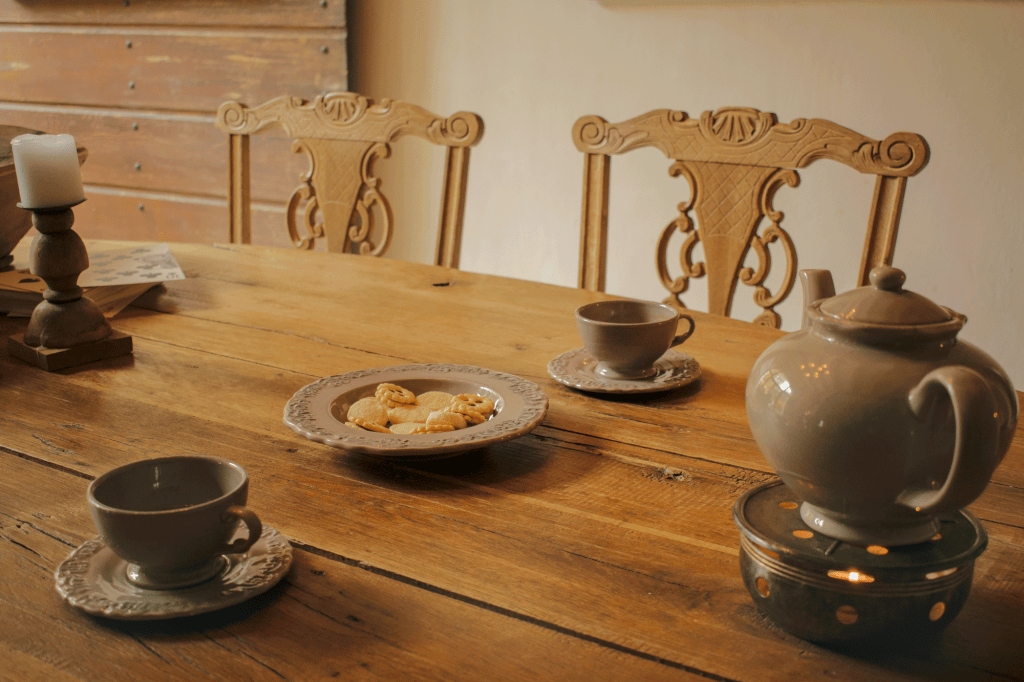
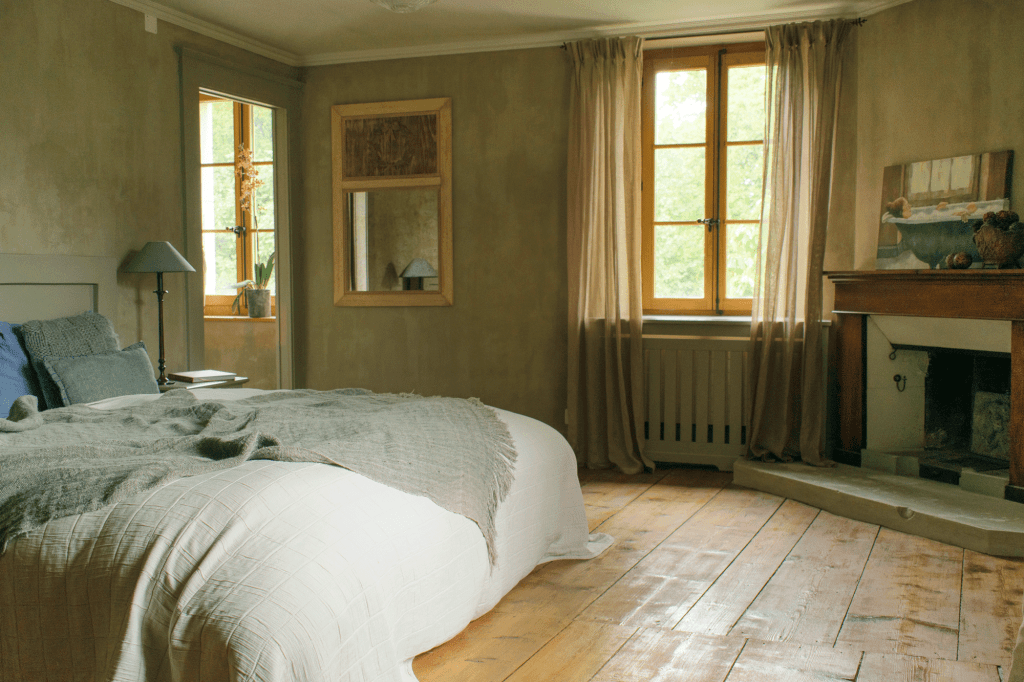
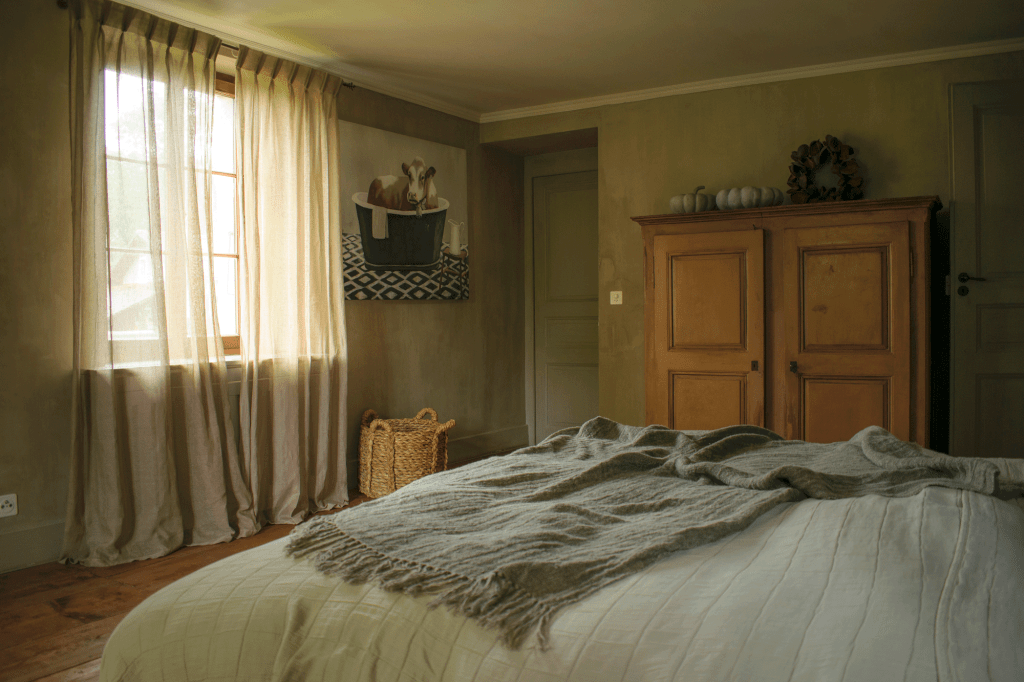
If you’re in search of inspiration and a calm afternoon, I invite you to immerse yourself in our conversation and take a tour of Uli Van Neyghem’s home and art studio.
ZEBRAS AND MAGPIES: Uli, you are an artist — and every artist is a tree. What is your trunk, and what are your branches?
Uli Van Neyghem: It’s interesting that you compared artists to trees, because I’ve always seen my art as a way of growing roots in a place where I’ve been.
We moved around quite a lot and, for me, painting the landscapes, painting the animals, or going out to take photos of what I was going to paint was a way to get acquainted with a place, to grow roots and to get a feeling for its soul. The moving and all of the things that it entailed, allowed me to grow with my paintings, to widen my horizon and spread my branches. So, the analogy of a tree is very fitting, actually.
Z&M: Do you see yourself primarily as an artist who happens to paint, or more specifically as a painter within the broader identity of being an artist?
Uli: Well, I don’t think I could separate it because what I’m trying to create overall is a peaceful atmosphere. And that’s true for my home just as much as for my art. I can’t separate them. It’s very often a search for inner balance. I’m trying in my life to see the beauty in ordinary things, in simplicity. That is what attracts me to things, actually, and what is reflected in my art and in our home.
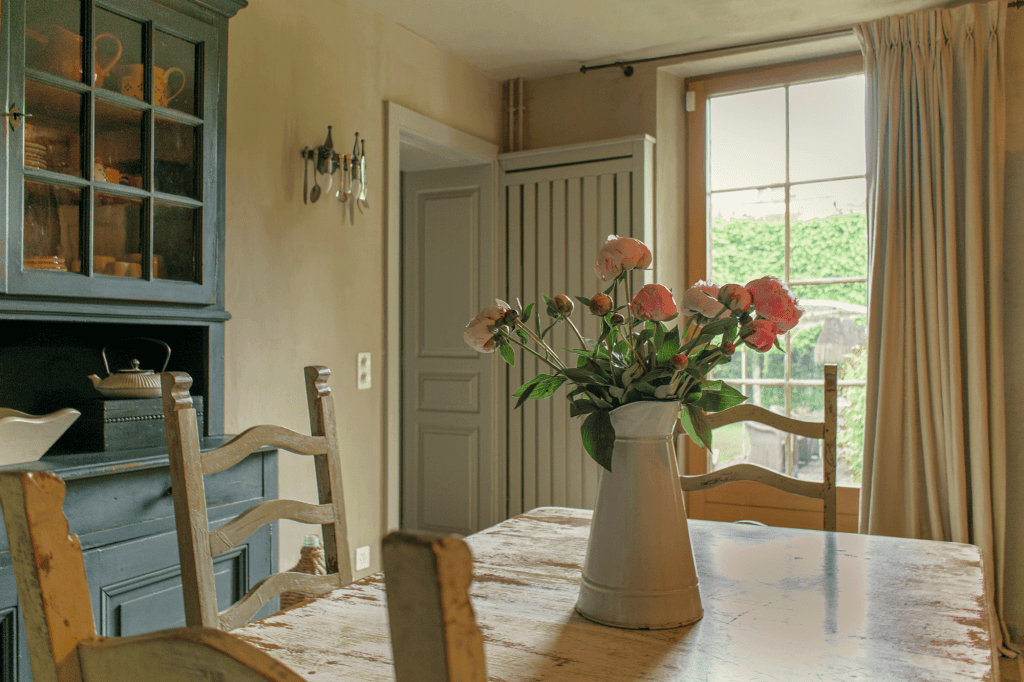
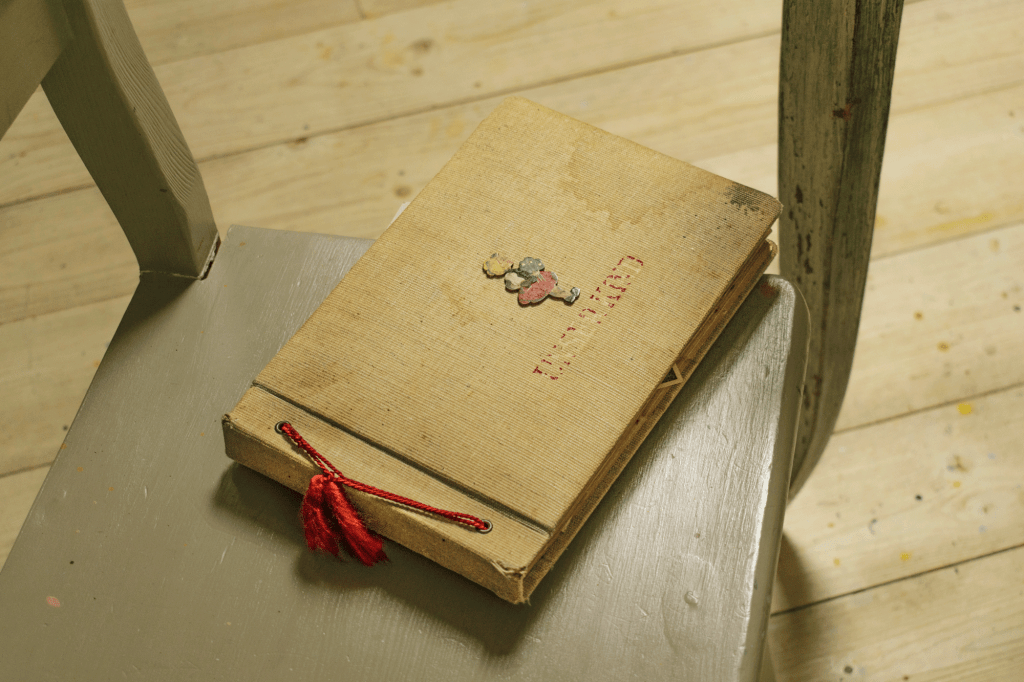
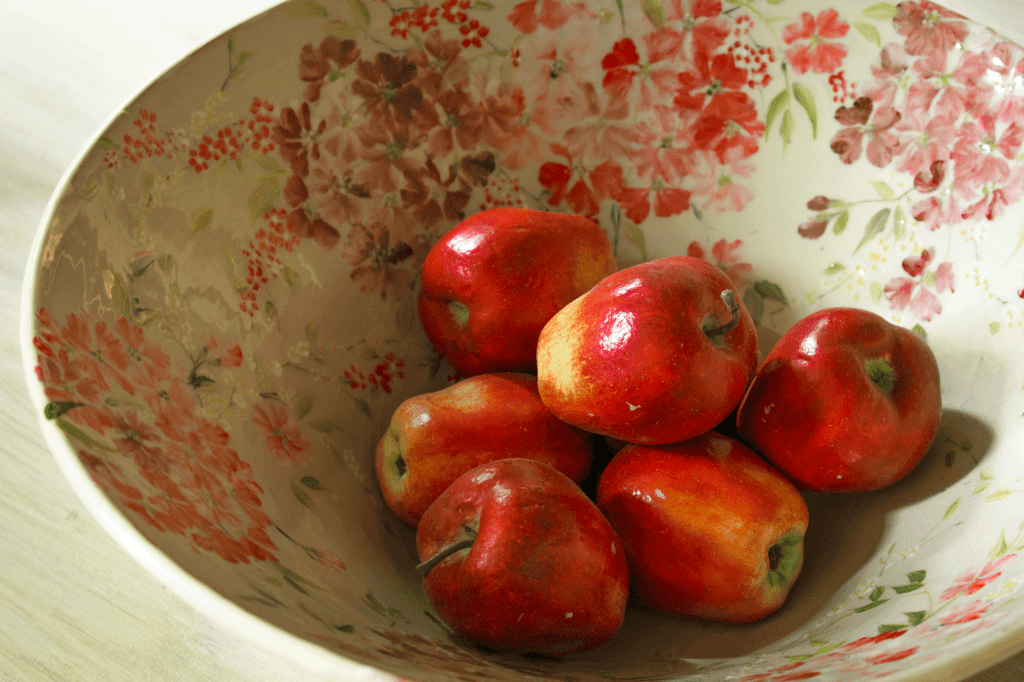
Z&M: What is a home to you?
Uli: I think what a home needs is to reflect the owners—the people who actually live in a place. If something is simply designed by an interior designer because somebody suddenly got money and says, “I don’t know what to do, so please make it beautiful for me,” that doesn’t have a soul. A home is something that grows slowly over the years, with things that you buy.
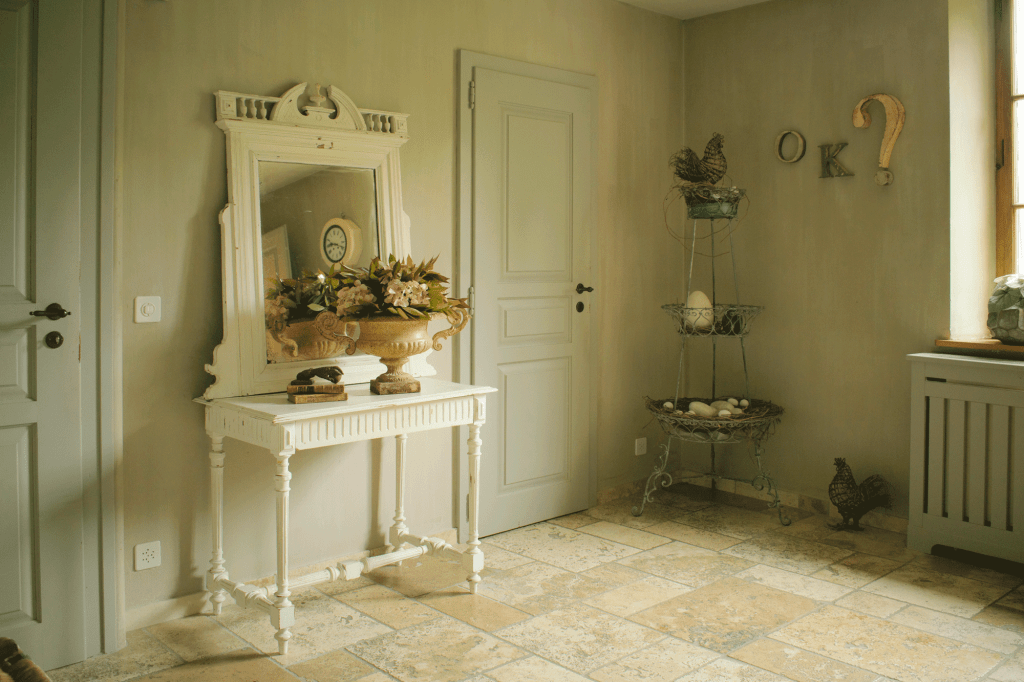
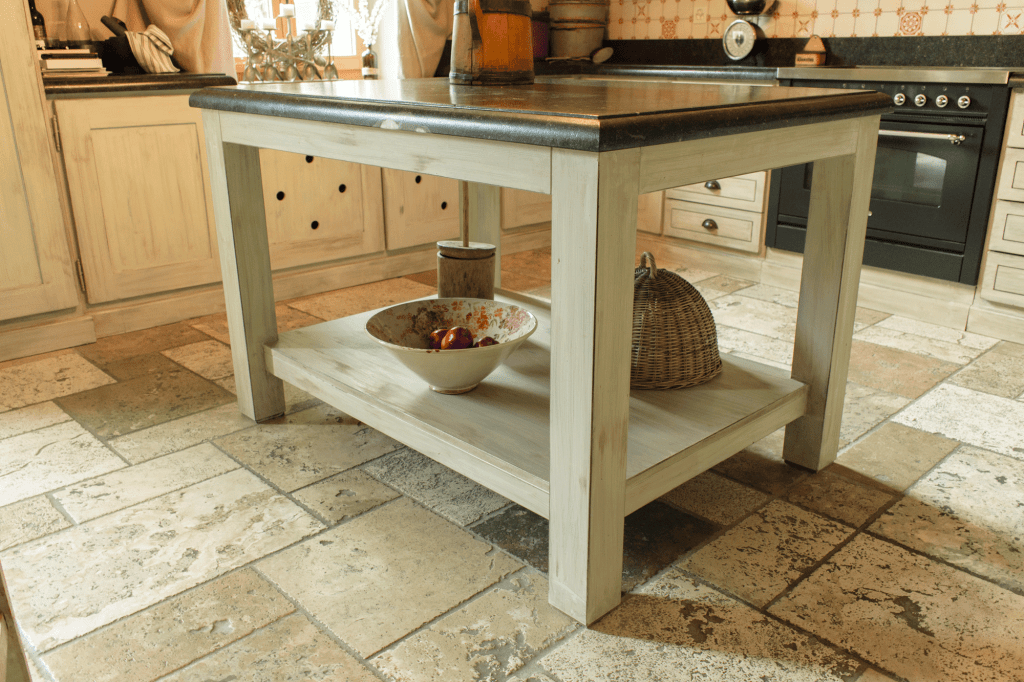
A lot of our stuff comes from flea markets or was found on the street because other people discarded them. We also found a few pieces in the house that the previous owners left behind.
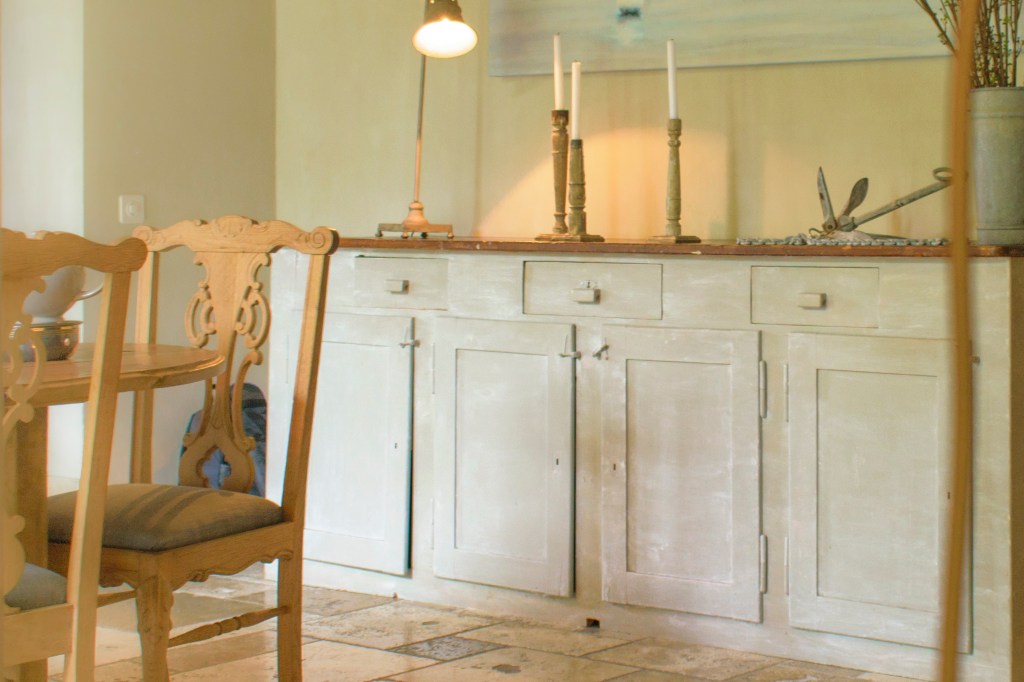
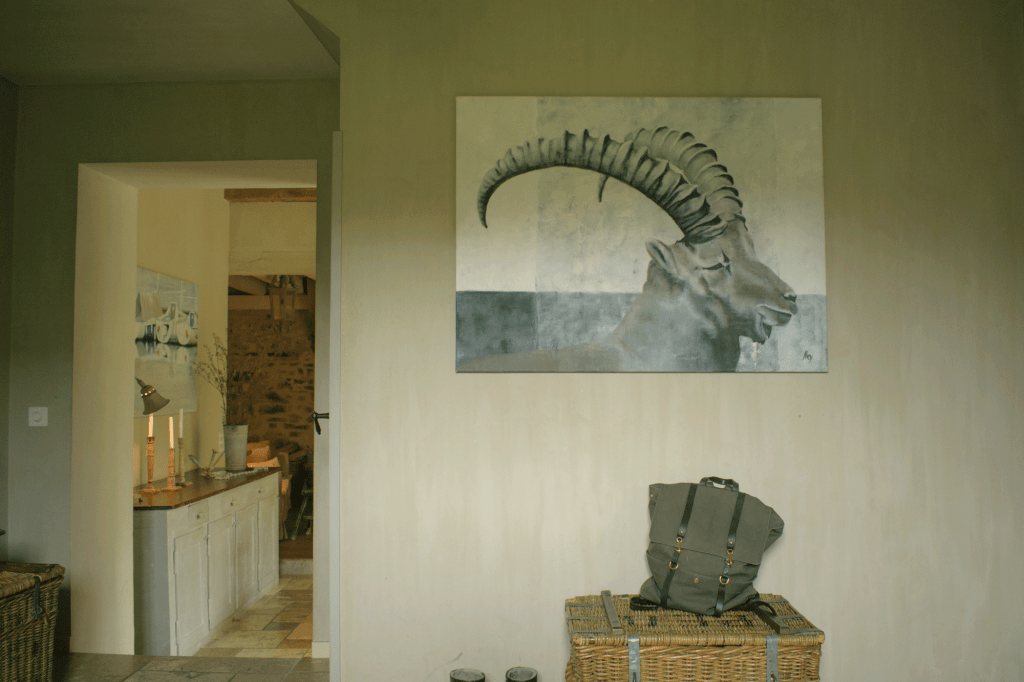
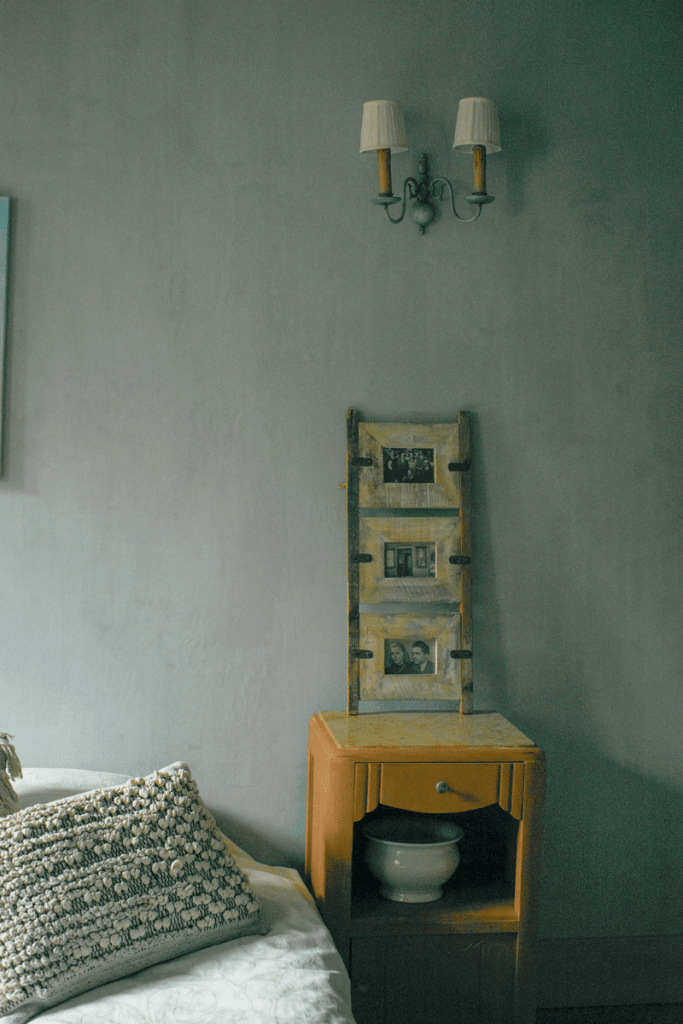
Like this sideboard—it was bright orange when we found it and had no shelves on the inside. It was in a very bad state, standing in the stables, because this used to be the former stables.
Z&M: What was it like to renovate a whole farmhouse?
Uli: Very often, when you buy an already renovated place, you don’t necessarily like the choices other people have made—you would have done things differently. That had been our experience in Luxembourg: the house we bought there was in a perfectly livable condition, but it was never really our taste. That’s why when we moved here to Switzerland, we were looking for something the French call dans son jus—a place still untouched, with all its original character intact.
We were lucky, because I think most potential buyers were completely put off by the state of the house. Nothing had been done to the larger part of it, and even the two small apartments on the other side were far from ideal. The upstairs unit had a kitchen without a single window. That former kitchen is now our buanderie—the laundry room. Yet a family with three children had once lived there and raised their family in those conditions. We completely stripped everything back.
My husband saw the property first and told me, “I think you need to come and look at this one.”
That weekend, I left the children with friends while I came to see it, and it was love at first sight. I immediately saw the finished house in my mind. I was standing in the large barn opening, with the doors wide open and no windows yet in place, looking out at a huge plane tree opposite the house.
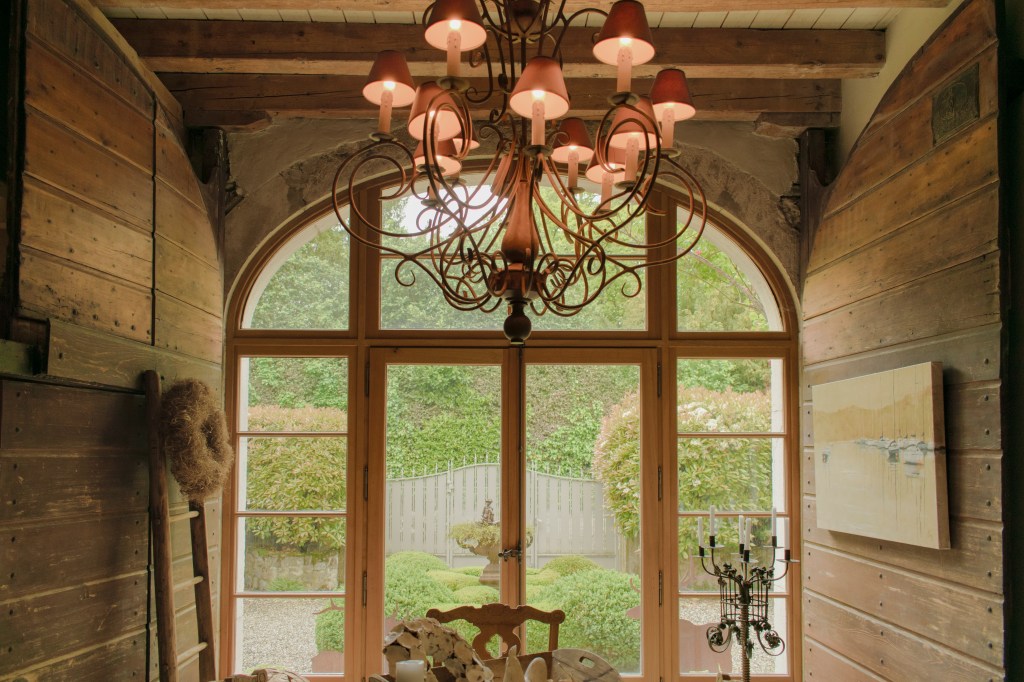
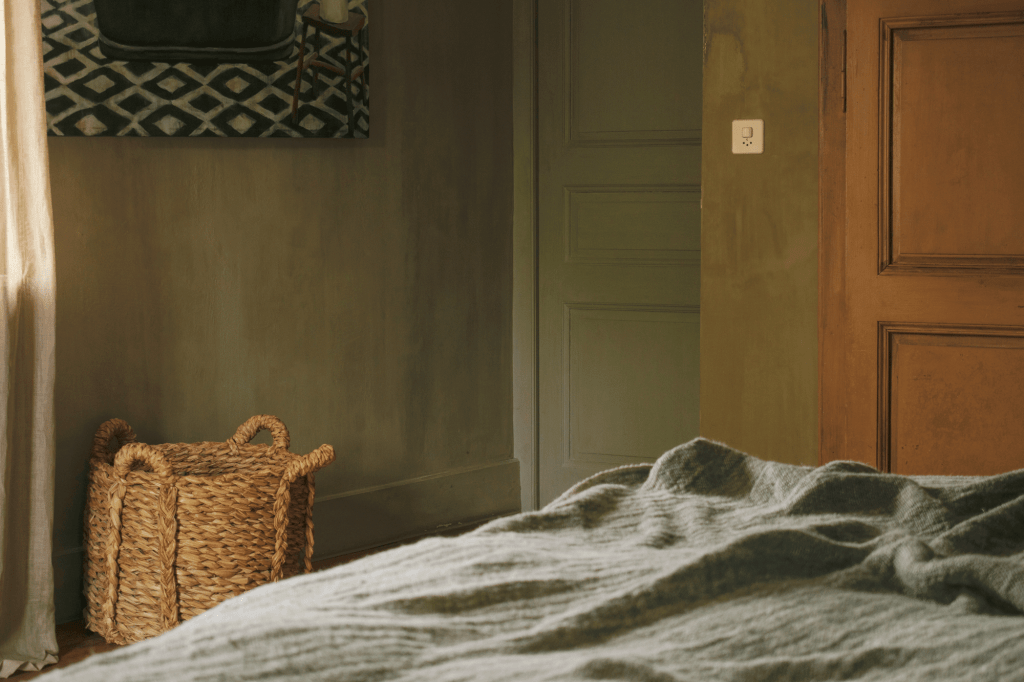
I remember thinking: the whole house will be in the colors of the peeling bark of that tree; with very subtle, muted neutral tones.
When we met the architect on Monday, I think he was not initially a great fan of me because he had expected to be the one designing the house. That made for a slightly difficult start.
In the end, though, he was happy to focus on what mattered structurally—making sure everything was sound and respected—while I remained very clear about my own vision. He wanted something much more modern: stainless steel staircases and that kind of aesthetic. But that was never what we wanted to live in.
Z&M: What would you advise young couples who are building a home on a budget?
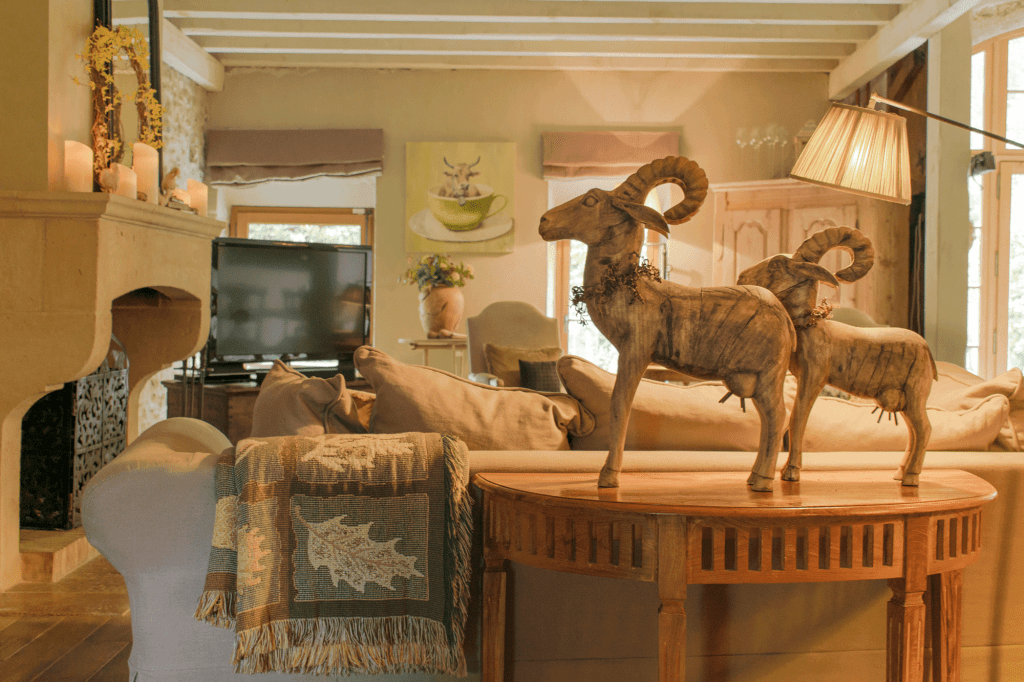
Uli: Look on flea markets or online second-hand sales, like Marketplace, and never leave a bulk-waste heap unscanned—poke around the attics of family members. People are often so quick to throw things away rather than recognizing their value. We have pieces inherited from our parents, and many things we have collected during our travels.
The candle holder over there, I remember buying it on my very first trip to Mallorca with my parents when I was seventeen. I found it in a small ceramics shop, tucked away in a back room. My sister and I had it sitting between us on the backseat of our dad‘s car all the way back to our home in Germany, balancing it between us for the entire journey.
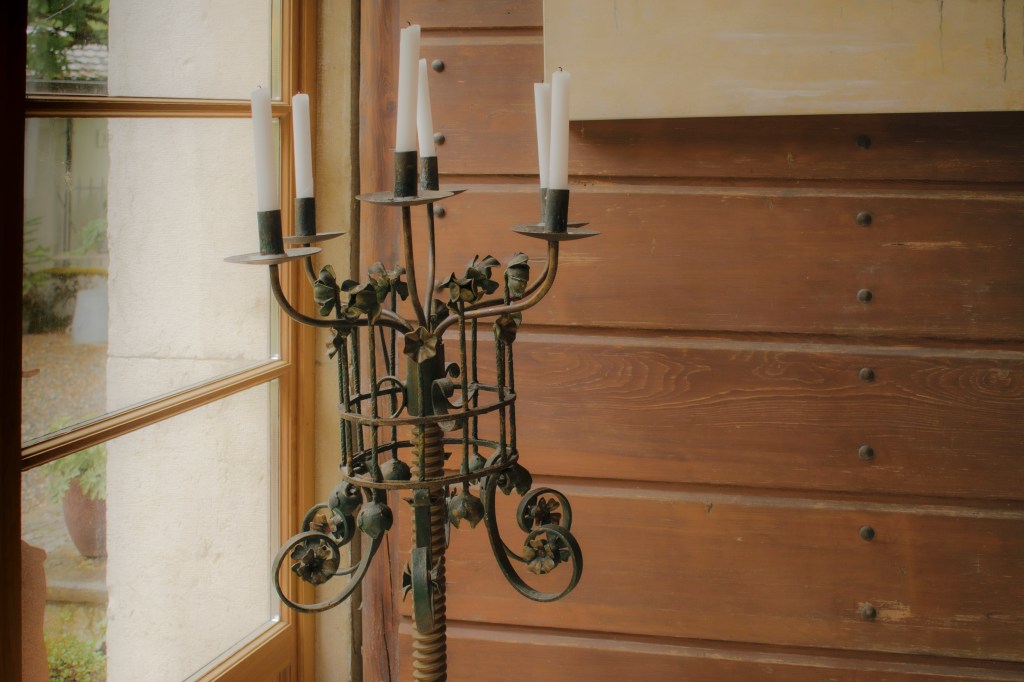
That became a kind of tradition for us. From every holiday, we brought back something meaningful as a souvenir—not decorative clutter, but something useful for the home. Sometimes it was soap because of the scent that reminded us of a place. Other times, candles, towels, or linens discovered in a local weaving shop, or small objects that simply spoke to us. That is really how we made our home feel meaningful. Most of the things you see here did not cost very much.
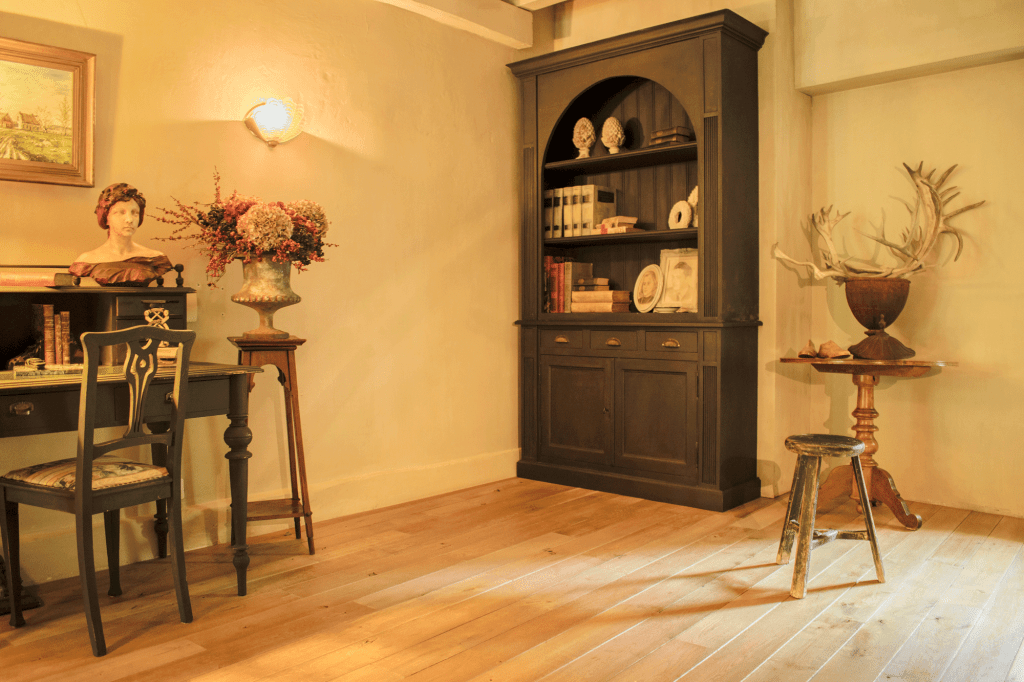
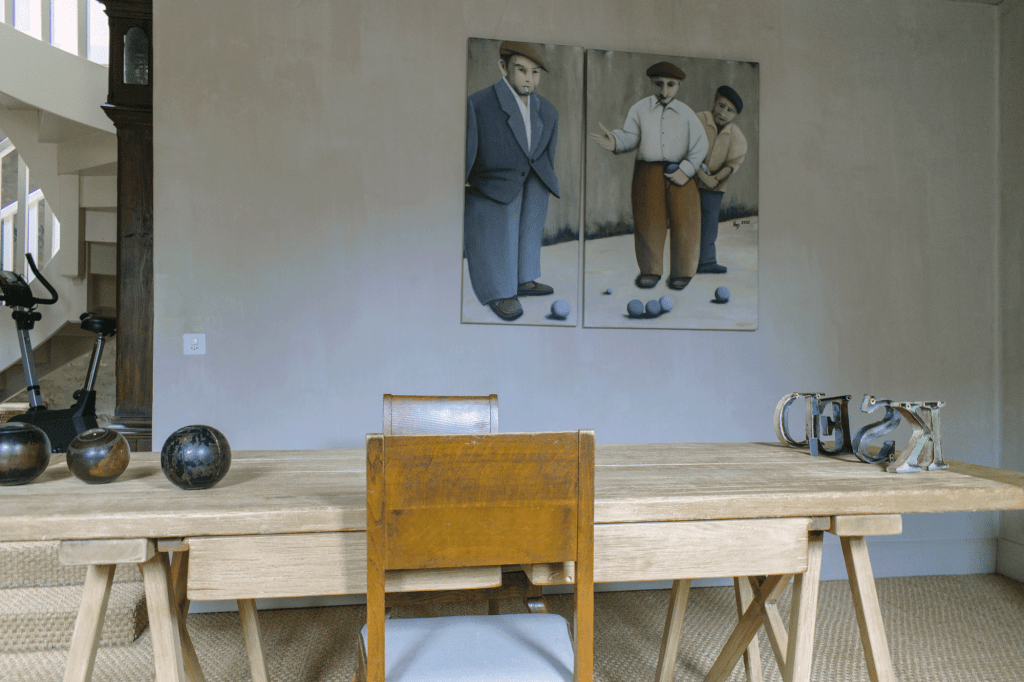
Like these chairs—we found them at a flea market in Belgium and have reupholstered them three times already.
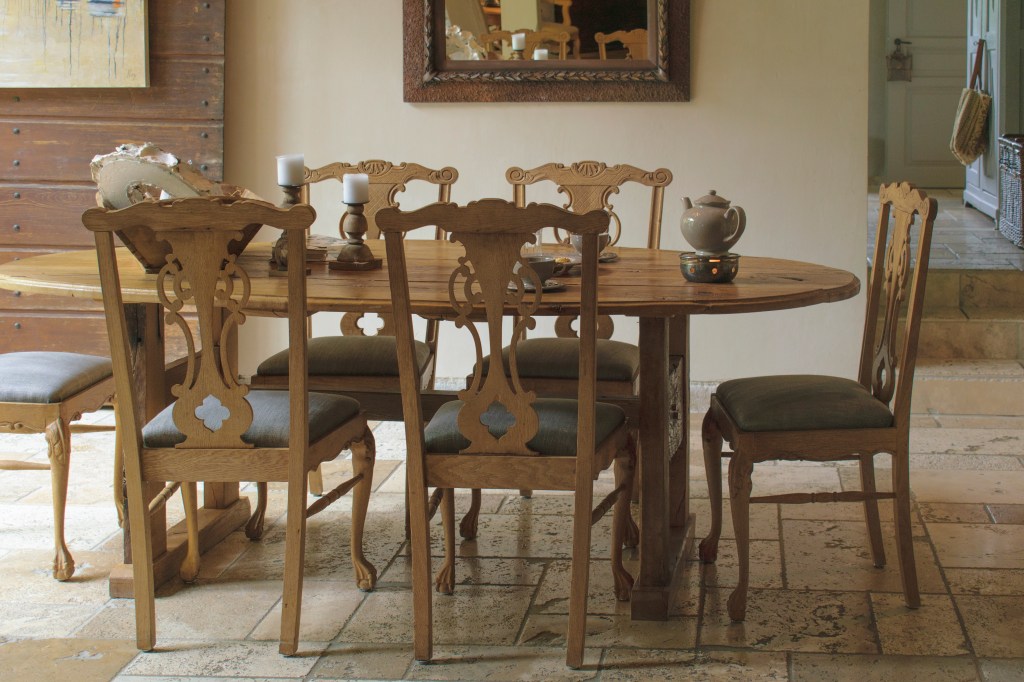
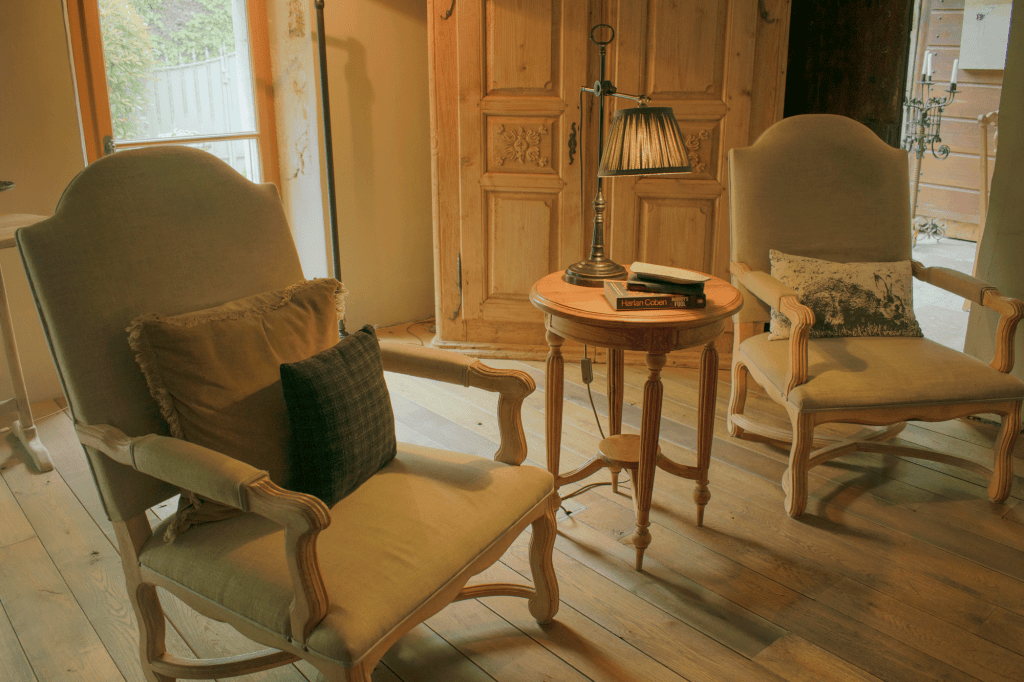
The two chairs in the salon were originally bought new, but we have also restored them several times over the years. We must have had them for at least thirty, maybe thirty-five years.
Z&M: How did you move from translation to painting?
Uli: My original studies were languages. I worked in marketing for a huge chemical company and traveled a lot. After motherhood and moving countries, that life wasn’t practical anymore.
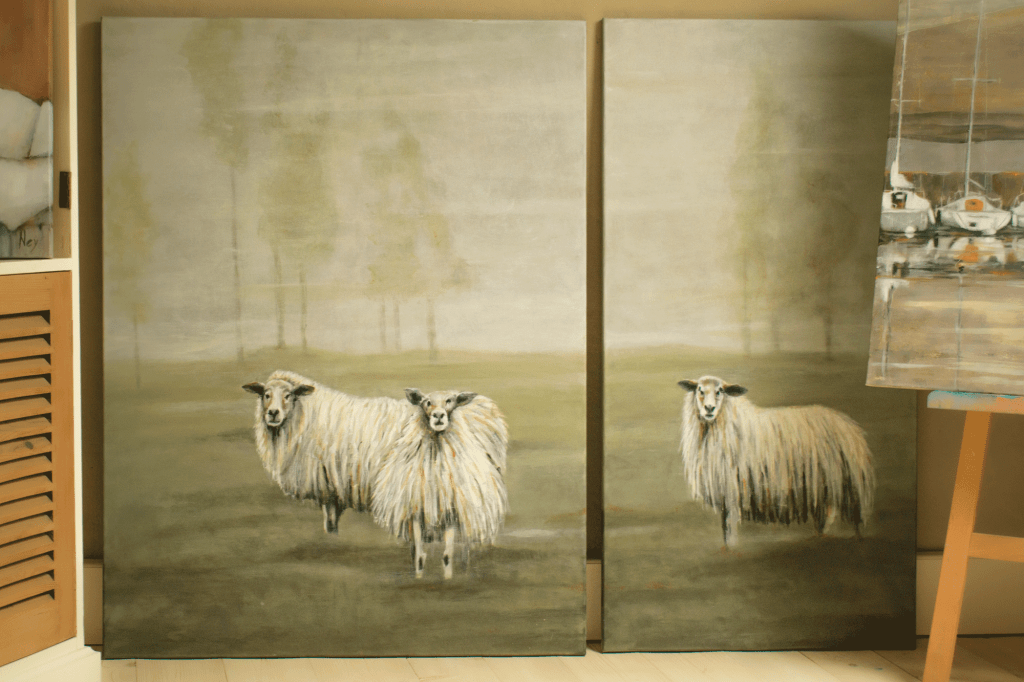
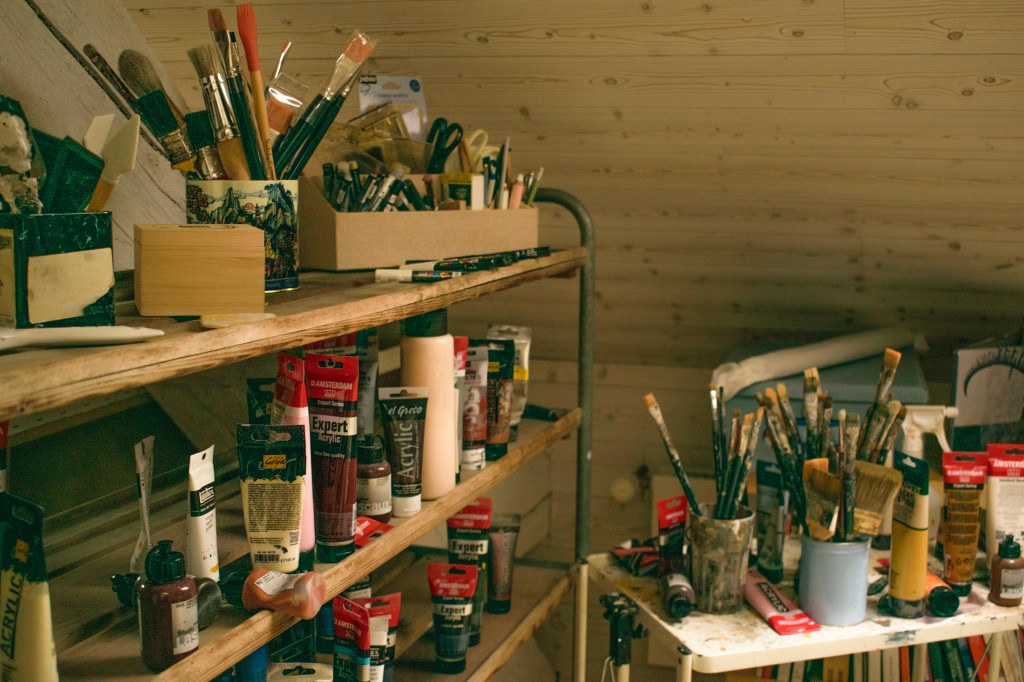
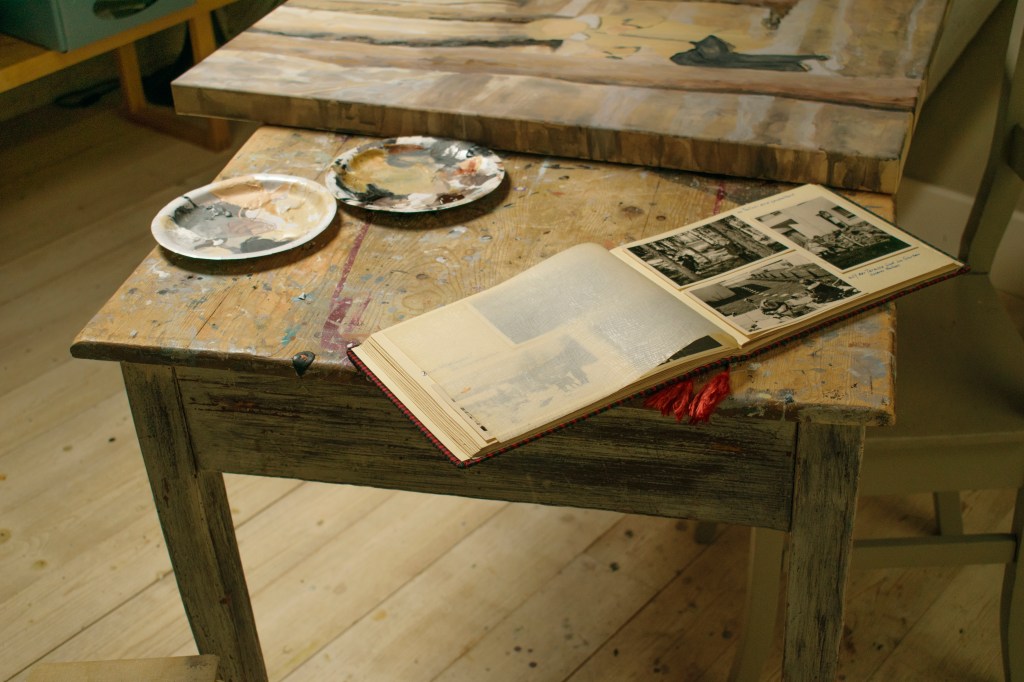
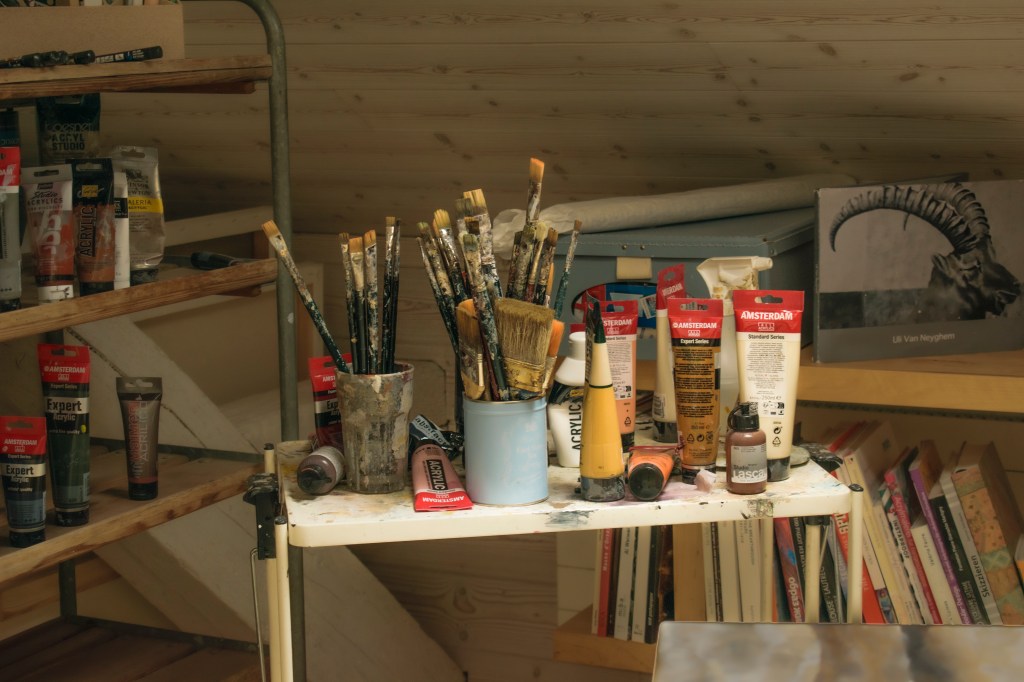
While at home, together with a friend who also had a baby, we started a translation business. But translation was unpredictable. During quiet weeks, I started painting on our own walls, creating artworks. People noticed them and that’s how it started. Eventually, I gave up translation and went full time into painting.
Z&M: How has motherhood affected your art?
Uli: The big question is whether I would have become a full-time artist if I hadn’t become a mother and moved to a country where I couldn’t work. That was the domino effect. Art was the ideal way for me to create while being a full-time mother. It wasn’t always easy. There is not much support for mothers in many countries. In Luxembourg, for example, the school system made it almost impossible to work regular hours. So art was the best way for me to still have personal fulfillment while being there for my children.
Z&M: A lot of women today feel it is career or motherhood. Has your husband been your support?
Uli: Let’s face it: I could not live off my art alone. There is no way. If it weren’t for my husband having a successful career, this would not have been possible. But his career was also possible because we made it happen together. It is a family success. Yes, he’s supported me. Always.
Z&M: You put a lot of music on your Instagram. How much has music affected you and your art?
Uli: Music is a very big part of my life. We always had musician friends. There were many jam sessions in our homes and gardens. Whenever our Irish friends gather, there is always music and singing. I always put music on when I work. And it definitely affects my painting. I adapt my brush strokes to the music. What I listen to influences how I paint.
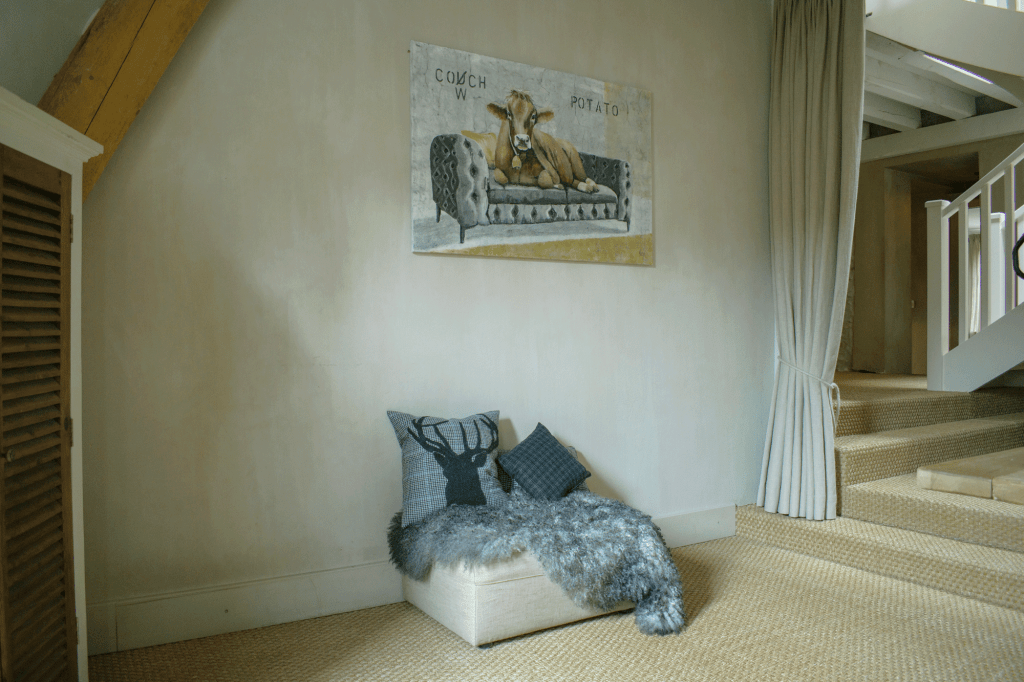
Z&M: While we were talking about colors and palettes, I couldn’t stop staring at the cow lying in a lime green cup. Or perhaps she’d been staring at me. The cows in almost every painting I saw seemed to have character, no matter how unusual their surroundings. What’s the story behind them?
Uli: When we came to live here, the very first cow painting I did was for this house, because since this used to be the stables, I thought “This roof needs cows.” Then I learned about the Swiss fighting cows. It fascinated me because it isn’t violent like bullfighting in Spain. It’s female cows doing something completely natural in their herd. They determine the leader by pushing their heads against one another until one walks away. I also learned cows live in one of the few matriarchal societies in the world, which endeared them to me.
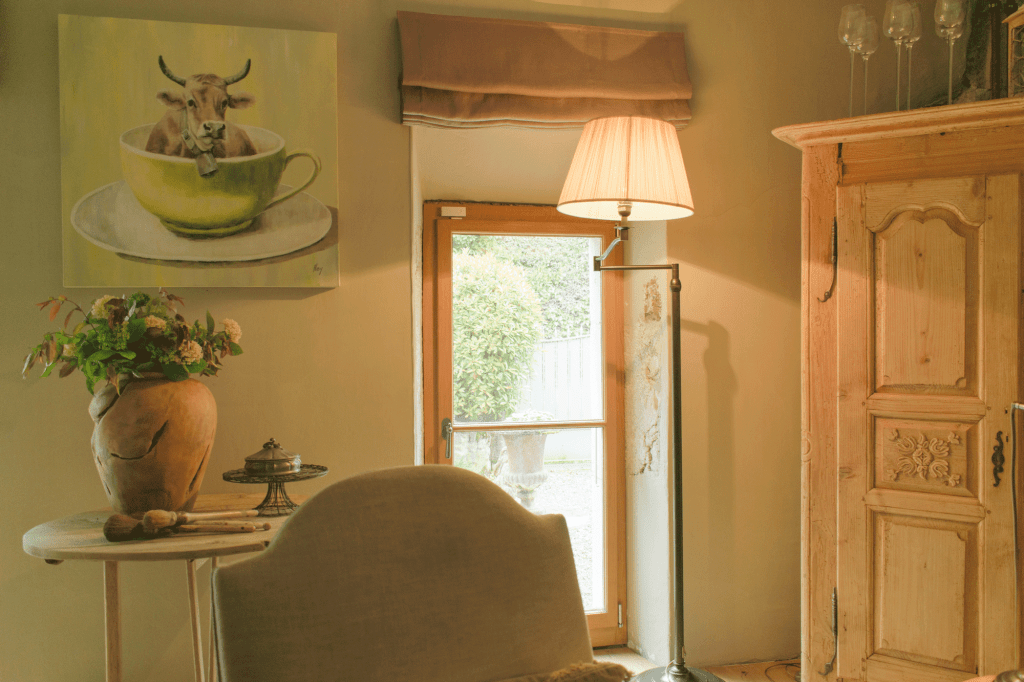
So it started with one painting, then I continued painting cows. People in Switzerland loved them, naturally. I always went into the mountains, took photographs, and painted them from life. So they are actually portraits of actual cows.
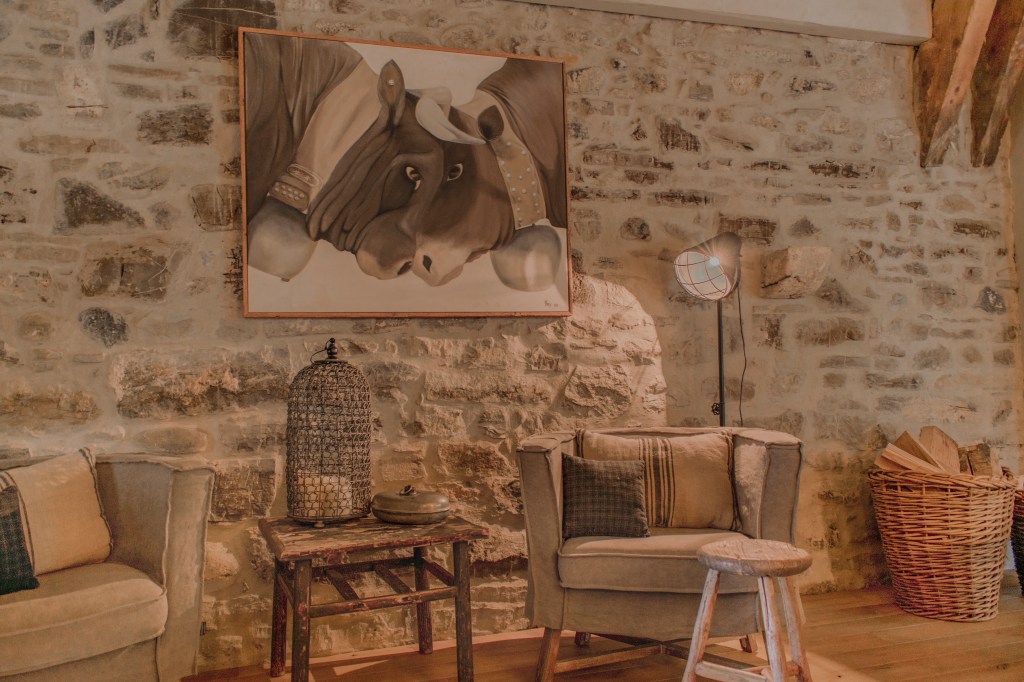
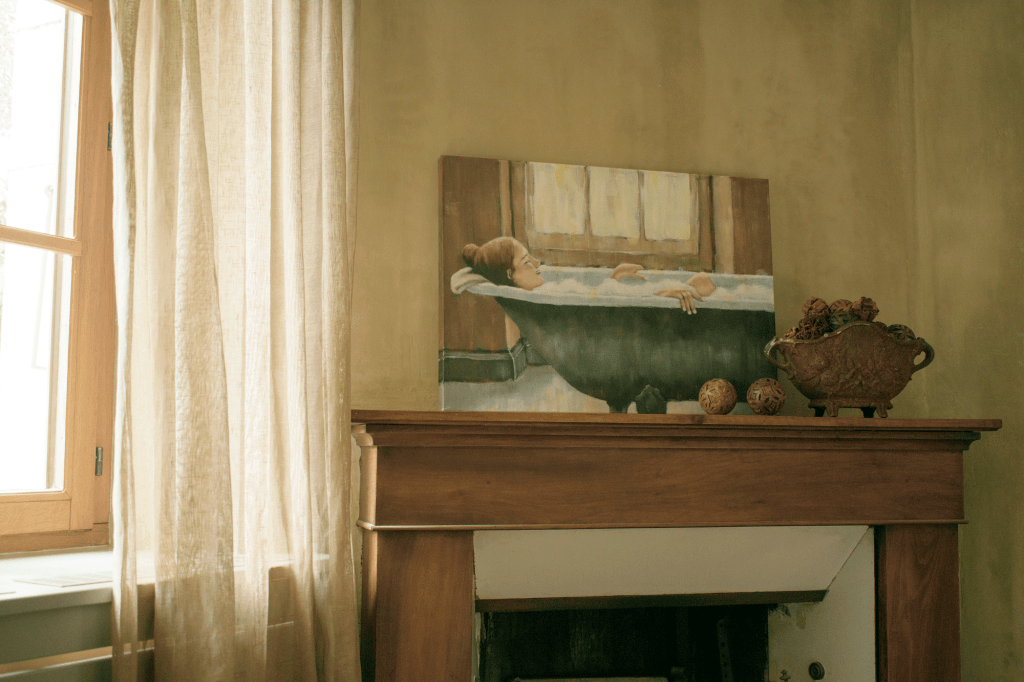
The Dada cows happened when I was invited to an exhibition celebrating the anniversary of the end of the First World War. The organizers wanted participating artists to paint in styles born around that period: Surrealism, Cubism, abstract painting, and Dadaism. I thought: if I put my cows into completely Dada surrealist situations—like cups, couches, bathtubs—that’s pretty Dada. And that’s how the Dada collection was born.
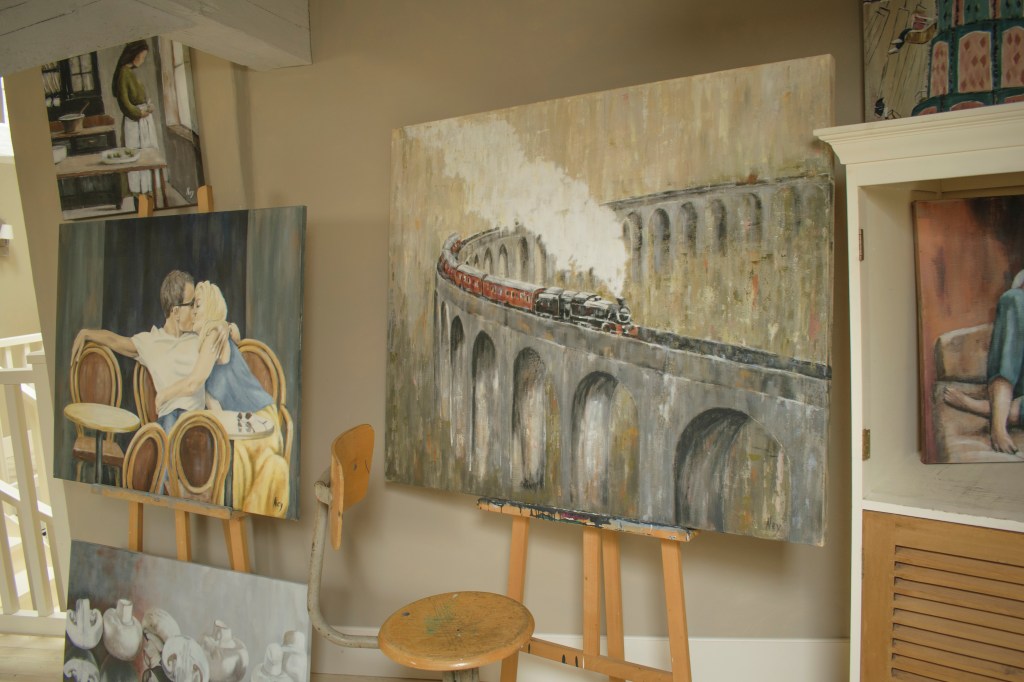
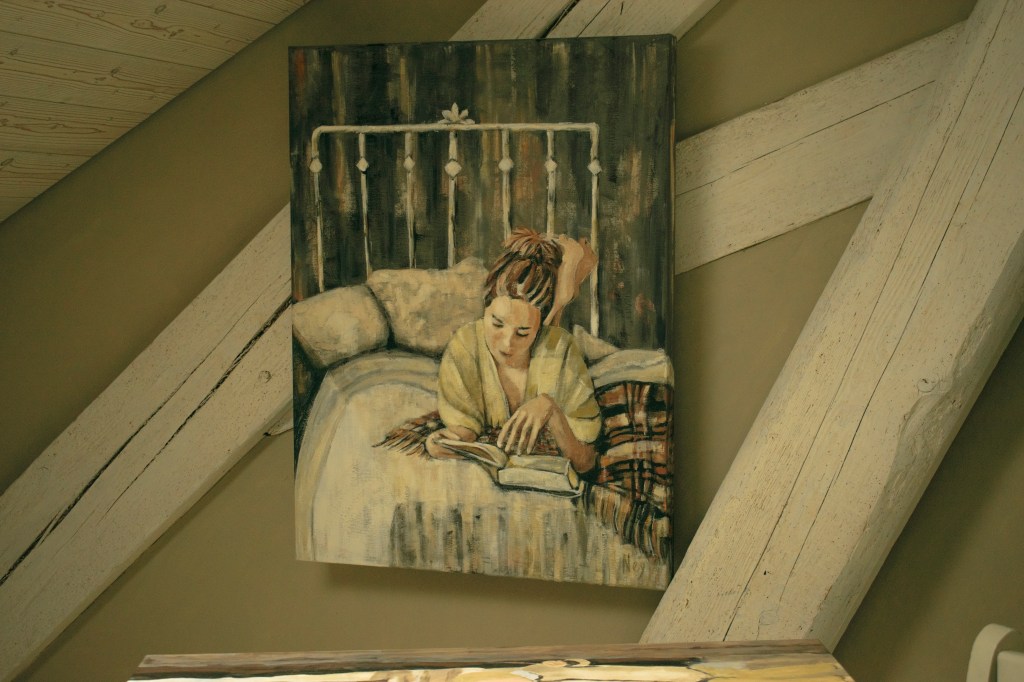
Z&M: There is another painting I love from Living in the Moment—the woman in the olive green dress with a white apron.
You mentioned that you’re not interested in painting portraits in the traditional sense; it is more about the moment. Many of your paintings seem immersed in quietude: someone cooking, reading, or perhaps opening a love letter. Often, the faces are not fully visible or clearly defined, which makes the focus feel less about the individual and more about the atmosphere or situation itself.
Uli: Exactly. It is more about the moment. Take that painting, for example—it is about the simple act of wanting to make a cake. I’m not actually a baker because I’m far too creative with ingredients, which never works with baking; you really have to follow a recipe. But whenever I speak to people who bake, they describe it almost as a form of meditation. They enjoy having their hands in the dough, the quiet rhythm of the process, and that moment when the scent begins to come out of the oven.
It is a very calming ritual, and that is exactly what I wanted to convey in that painting.
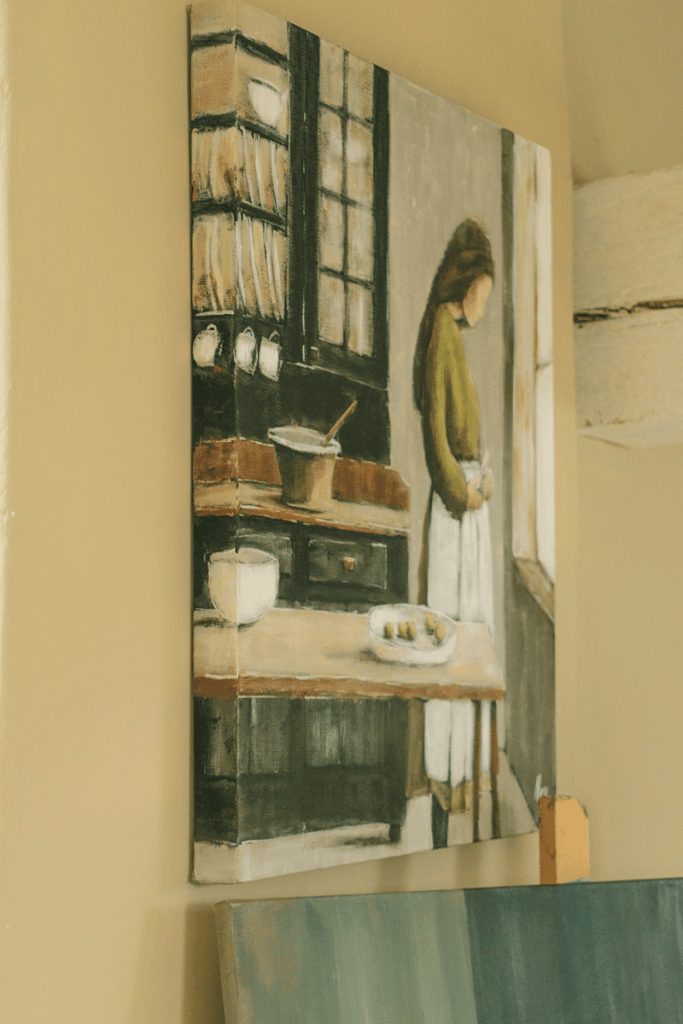
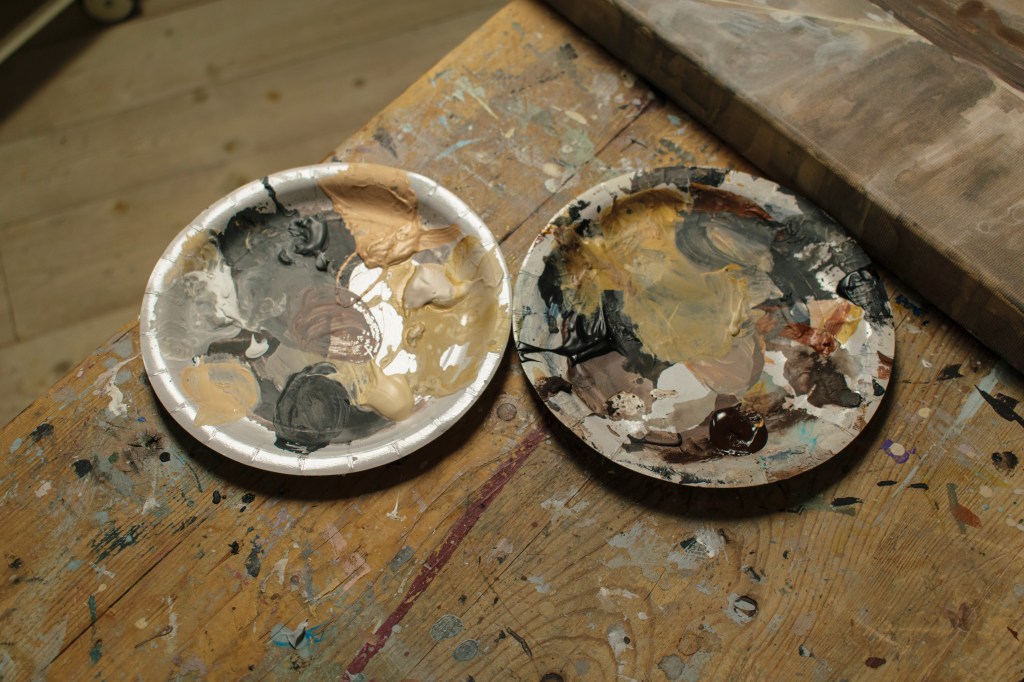
Z&M: I was also curious about the colors. There is such a calm palette overall, but then this striking contrast with the almost-black cupboard.
Uli: The cupboard may well have influenced the painting. Have you seen the actual cupboard in the kitchen? That is another piece we found in the house, down in the cellar, with its feet completely molded off. During the pandemic, I suddenly had the urge to paint many things in the house. The cupboard had originally been a reddish-brown color, and we painted it black—along with quite a few other pieces. That may be why it appeared in the painting as well.
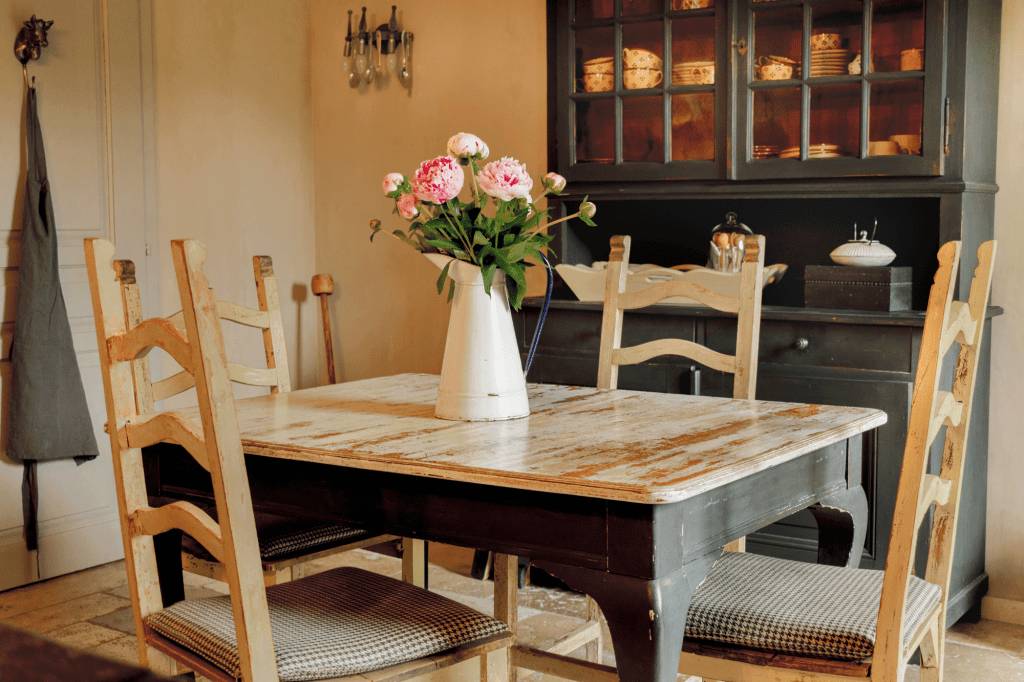
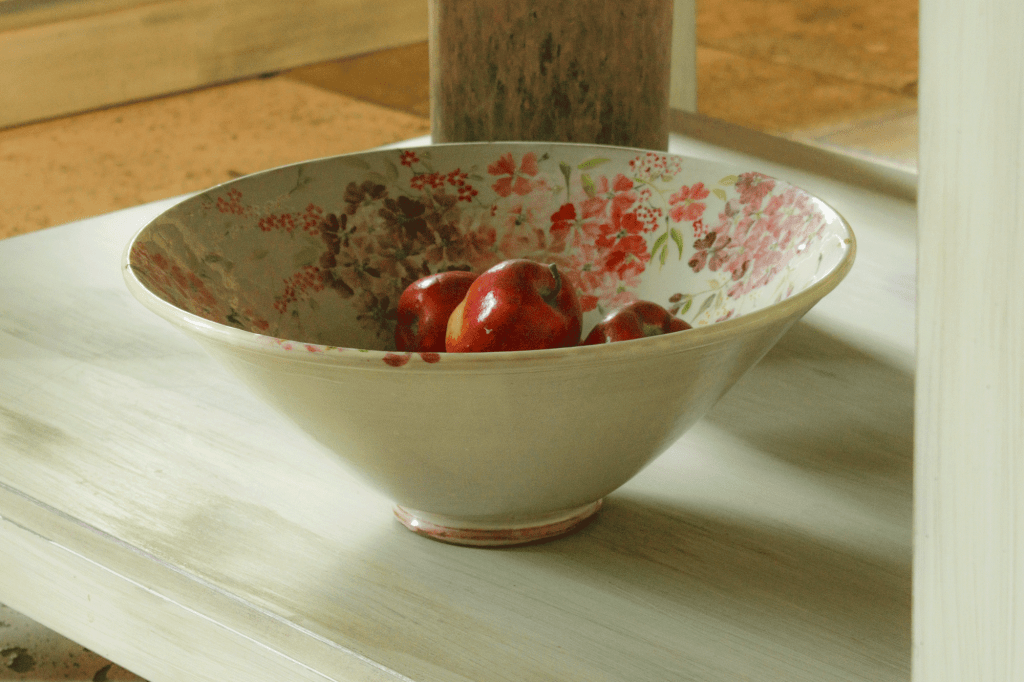
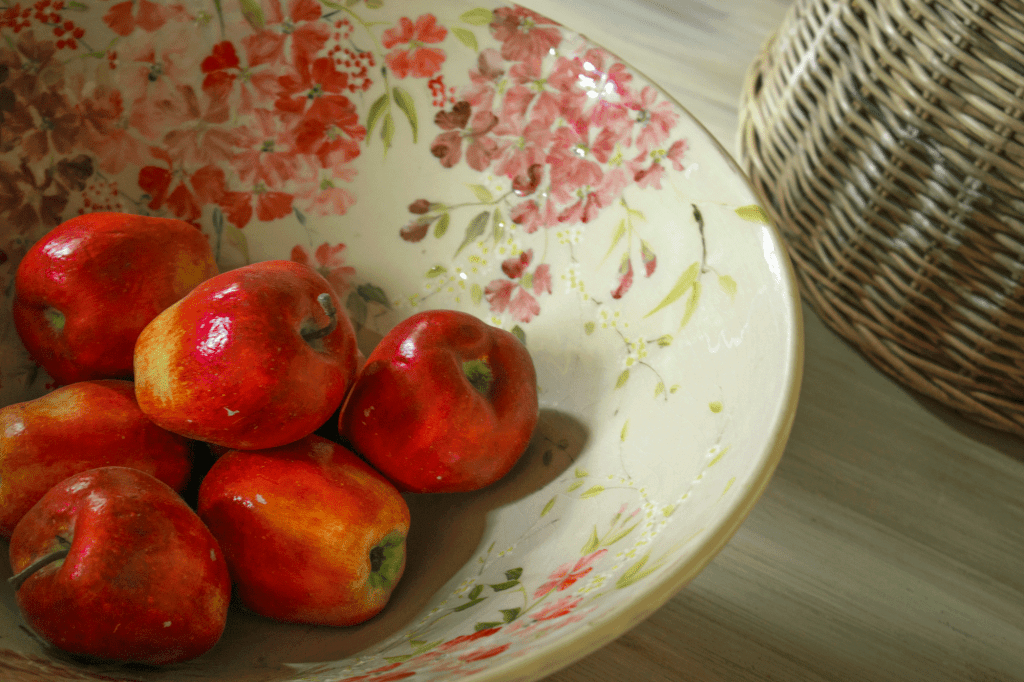
And I knew I wanted apples on the table, which introduced the lime green. The lime green and black work very well together as a contrast.
Z&M: You mentioned a calming color palette bringing you peace. I find black such a calming color. Would you agree?
Uli: Yes, I think black is calming. A lot of people feel disturbed by black, but I never really understood that.
Z&M: How much different is it to work on a canvas and in an empty room?
Uli: It’s actually very similar. In both cases, it’s about creating calm atmospheres. That doesn’t stop once a painting is finished and placed on the wall—it continues in how I arrange everything around it. Things are always changing. Apart from the larger pieces of furniture, nothing really stays in the same place for long. The smaller objects move constantly around the house, often with the seasons, simply to create a sense of freshness.
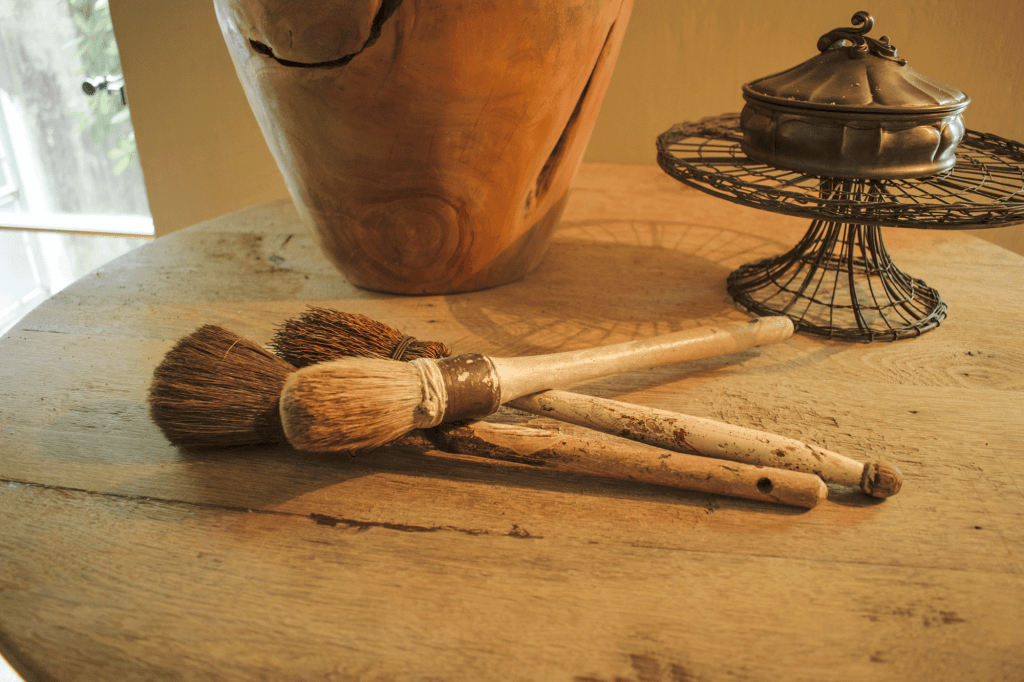
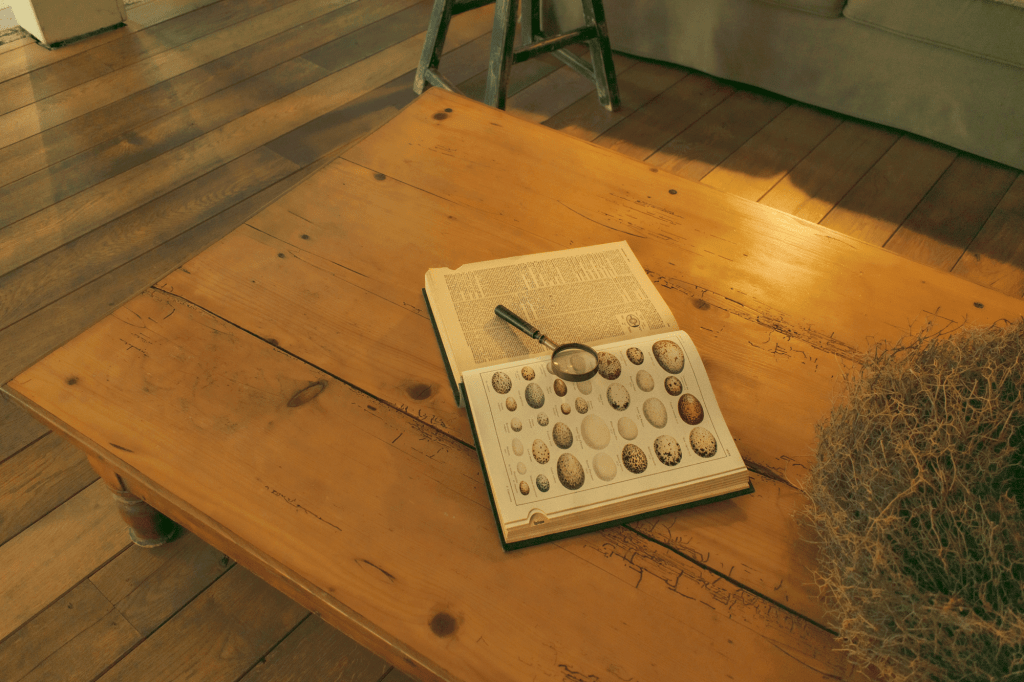
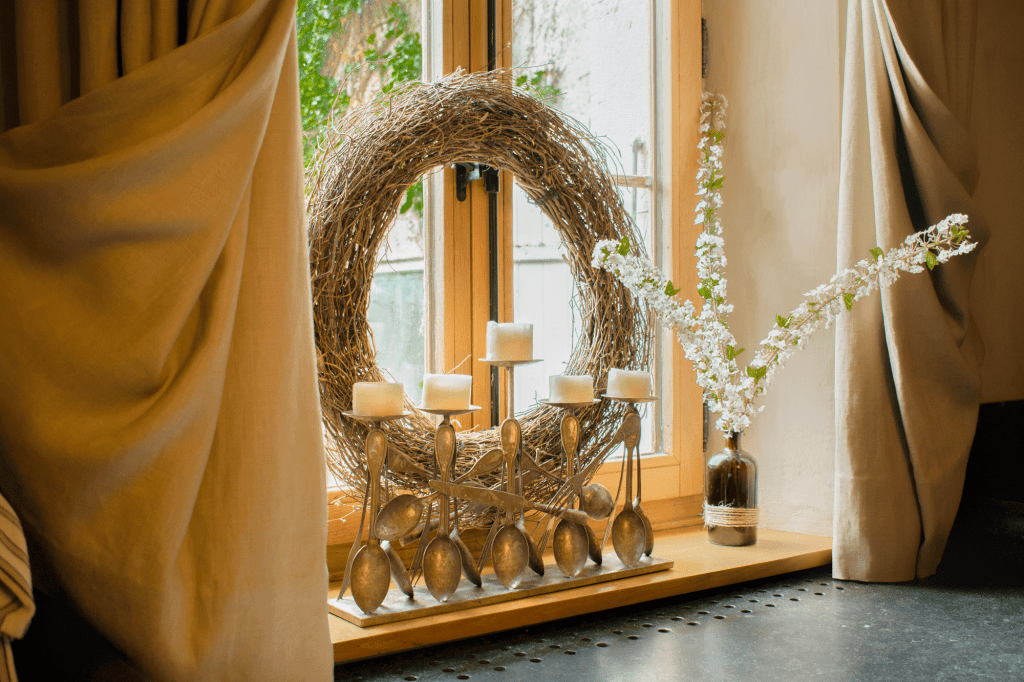
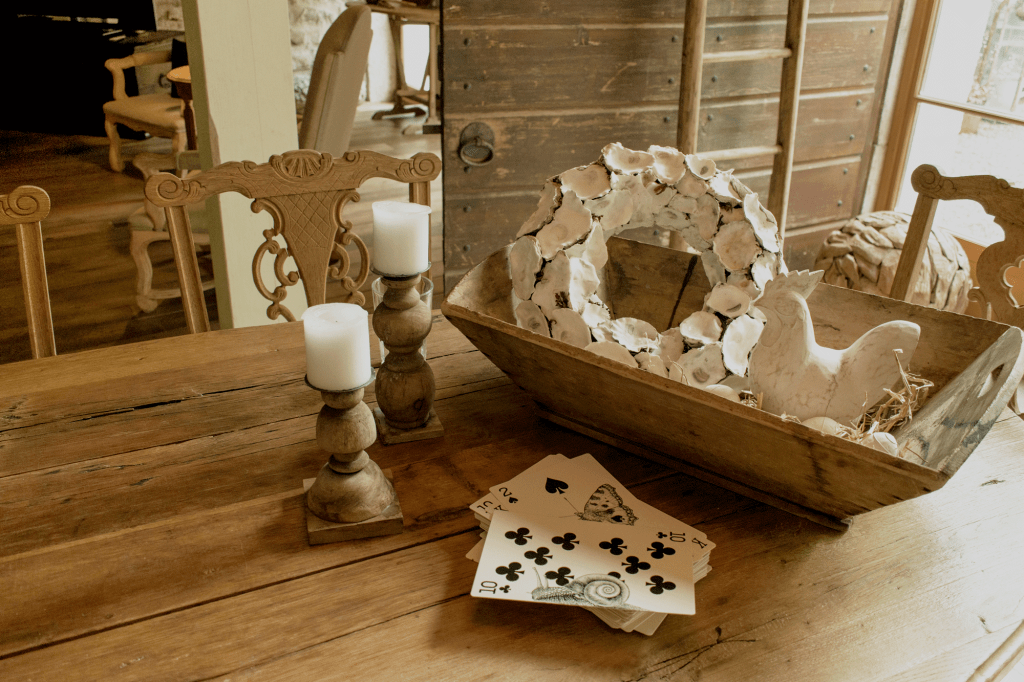
We live with old things, but that doesn’t mean they have to feel static. People tend to follow trends: the color of the year, and think they need to replace everything. But you can completely refresh a space just by rearranging what you already have.
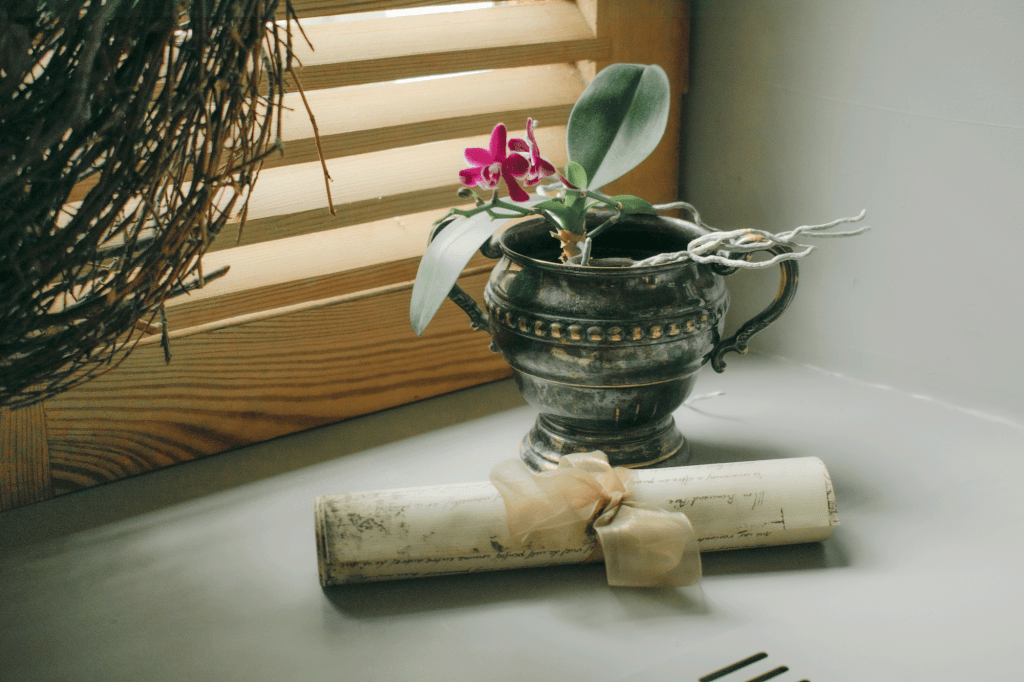
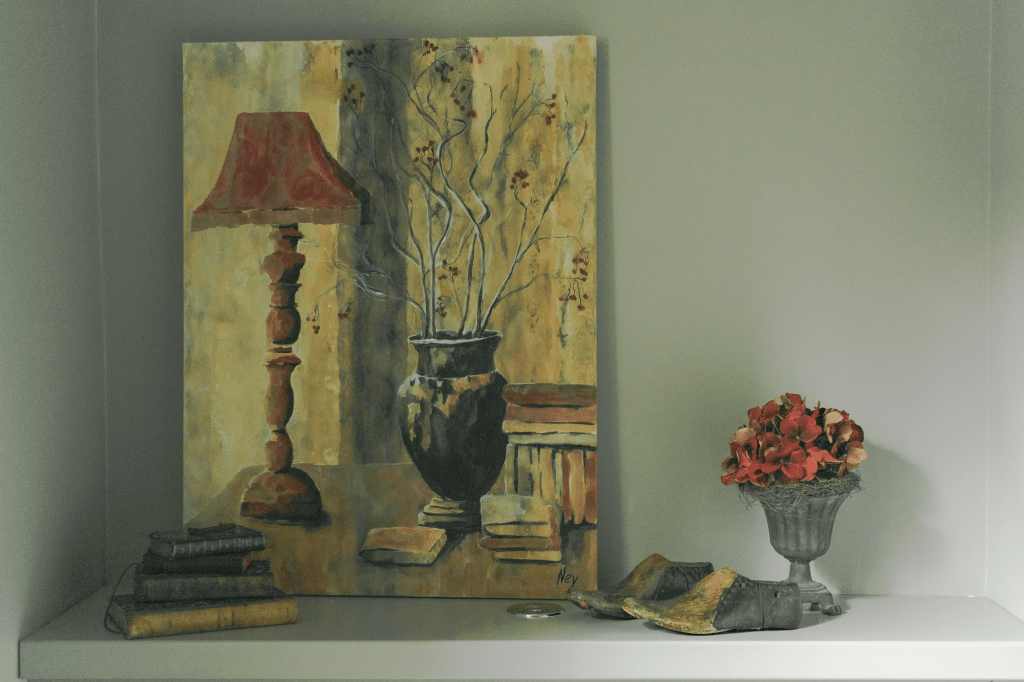
I also move my paintings quite often. They’re never fixed in one place, they evolve with the space around them.
Z&M: In another interview, a furniture designer once told me never to buy strongly colored furniture—something bright green or yellow, for example—because eventually you grow tired of it. Of course, that was only their personal advice, not a strict rule, but I was curious whether you agree. Or, if you had a colorful piece of furniture that no longer suited your taste, would you simply move it elsewhere, style it differently, or change it altogether?
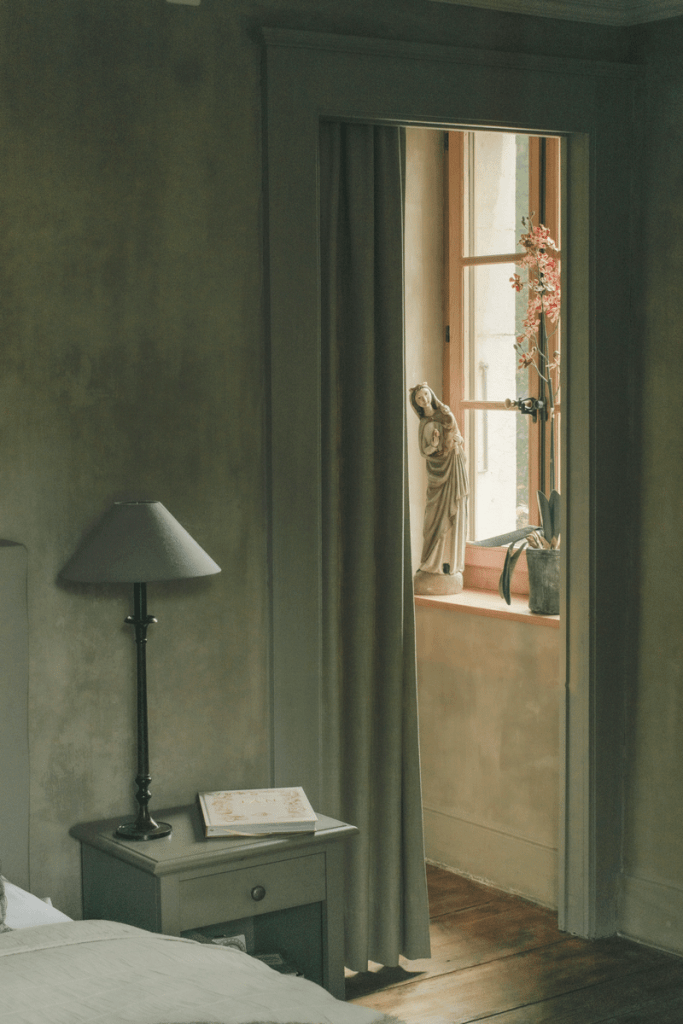
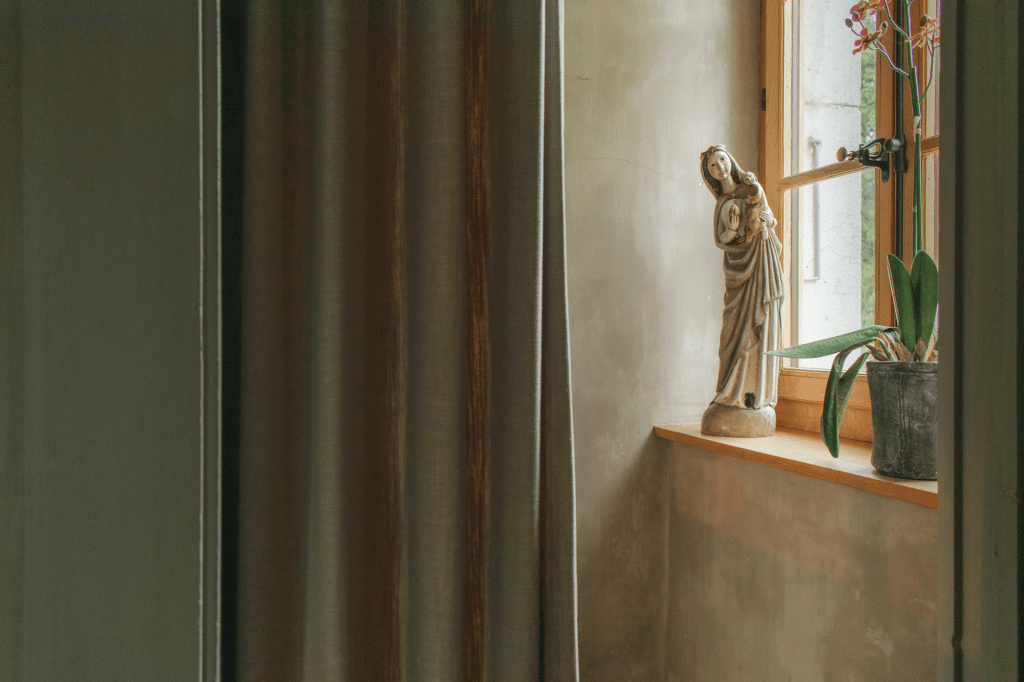
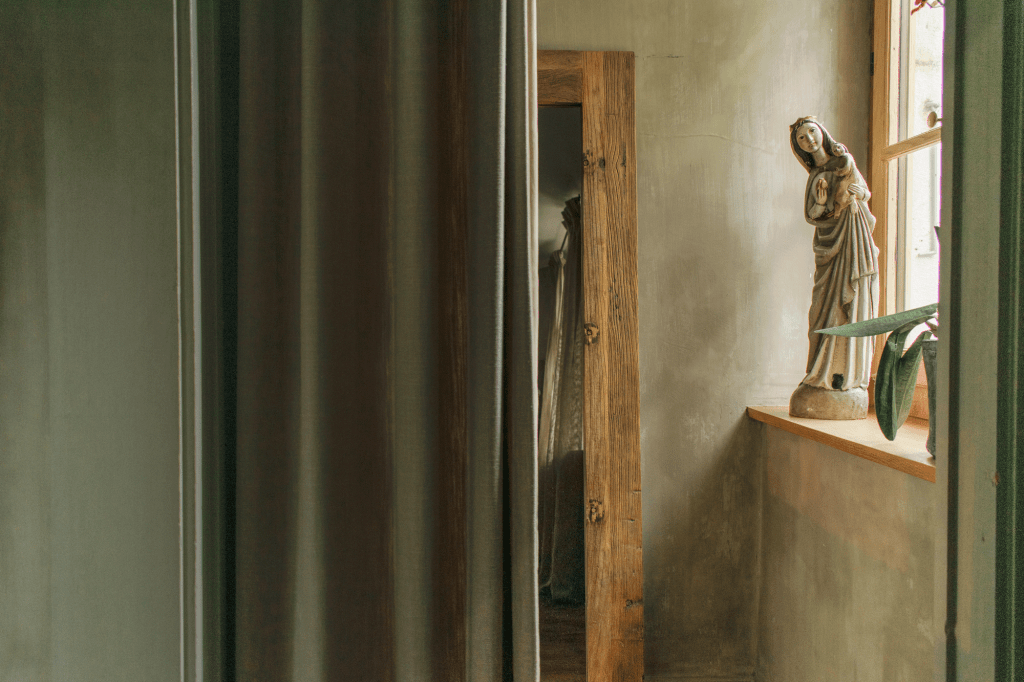
Uli: I think it would depend entirely on how versatile the piece is. But personally, whenever I stopped liking the color of something, I simply painted it. I have painted lamps, furniture, and even a Madonna sculpture that I bought many years ago in Mallorca from a woodcarver’s workshop. Originally, it was painted in very traditional bright reds and greens. But when we moved here and I wanted the house to feel more calm and neutral, those colors no longer felt right. So I repainted it in tones that suited the atmosphere of the house. I think repainting it softened her whole appearance and drew much more attention to the beauty of her face.
Z&M: Before we finish, if there is anything I may have missed or something else you would like to share—as an artist, as a woman, as a mother, or simply from your own life philosophy—please, the scene is open for you.
Uli: I have always been drawn to what I would call gentle momentum rather than any kind of fast-track approach. That applies to many things in life, including motherhood. For me, the happiness of the whole family was always more important than anything else. And as a mother, you naturally place yourself last in many ways.
But overall, it has been a very happy experience. When we renovated this house, it took nine months—I always used to joke that it was my third pregnancy. Apparently, carpenters, electricians, and plumbers do not always work together harmoniously, but coffee and biscuits can solve quite a lot. There was a real sense of harmony here because we spent time talking with everyone. And I think that mattered. When people feel seen and appreciated, they are often much more willing to go the extra mile.
There were many moments when I wanted something particular and the architect would say, “No, that is too complicated.” For example, I was determined to keep some of the natural stone walls. The architect warned me constantly about humidity, dust, and all sorts of problems. But we had natural stone walls in our farmhouse in Luxembourg and had never had any issues, so I knew what I wanted. In the end, a Portuguese mason said to me, “Madame, I think I know exactly what you mean.”
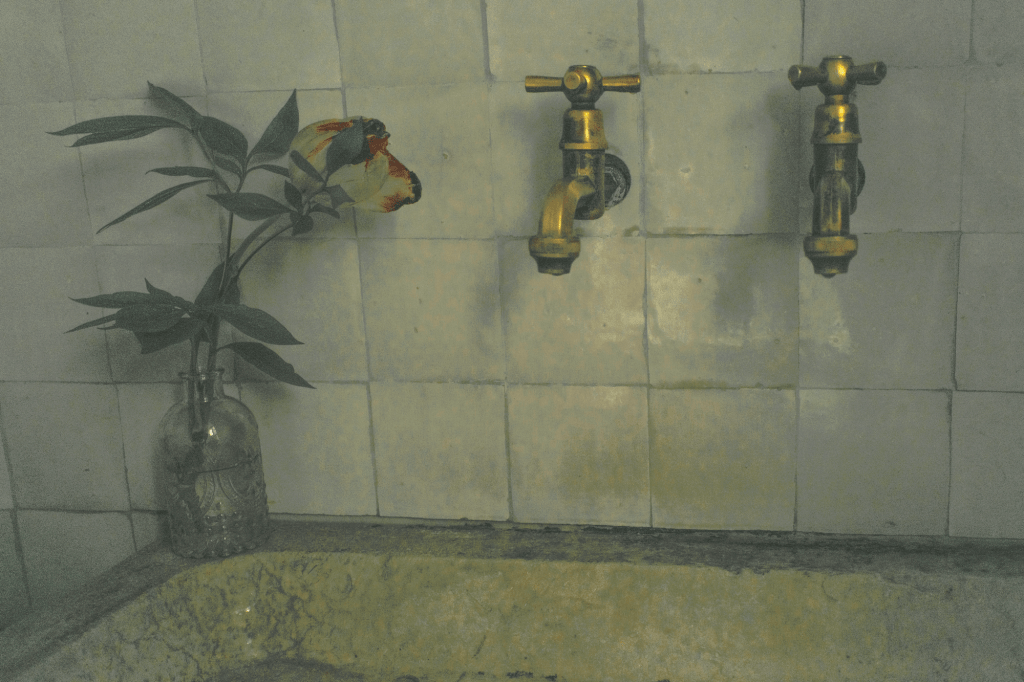
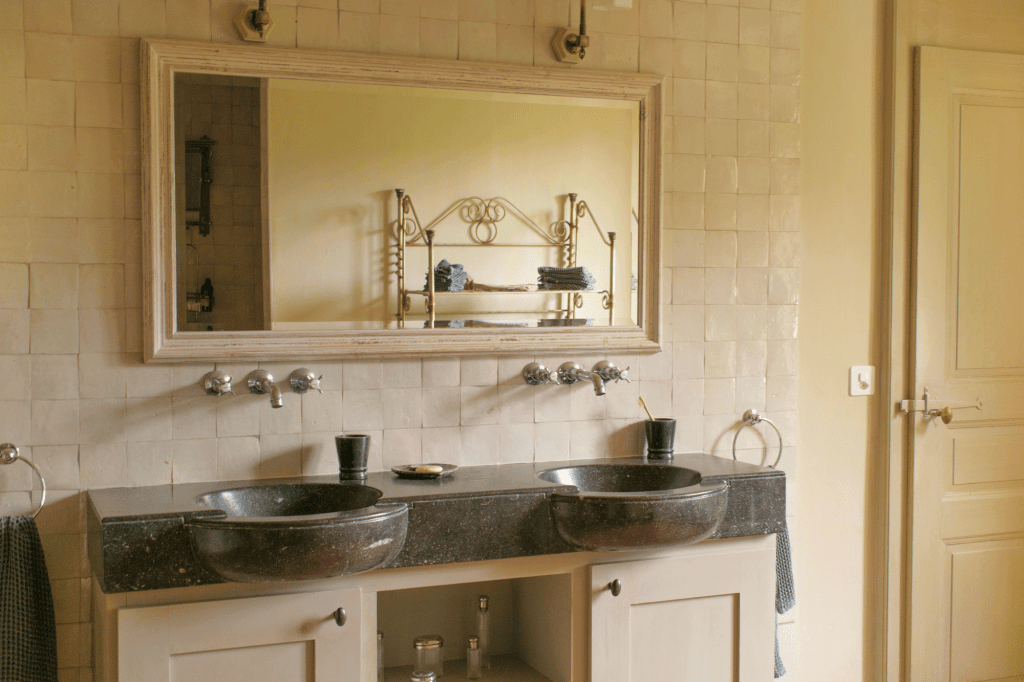
He built a one-meter sample section for me so I could see how it would look and it was perfect. The same happened with an old livestock water trough I found in the garden that I wanted to turn into a sink.
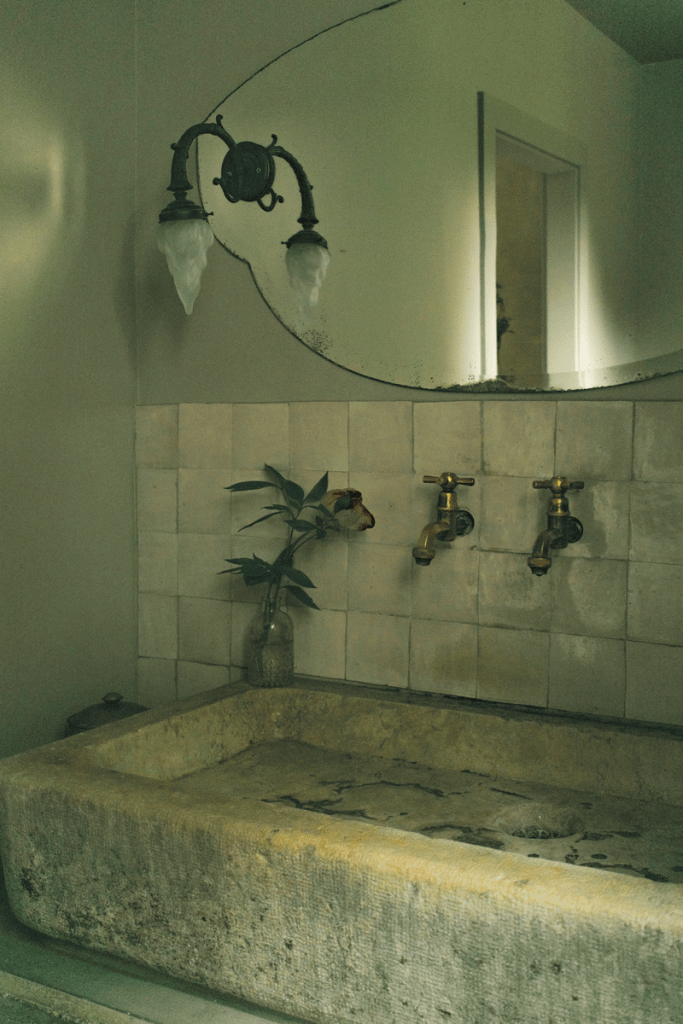
Again, the architect said it was impossible: too heavy, too impractical, impossible to mount. But that same mason came back and said, “I have an idea.” He built a custom L-shaped support structure, and that sink has been there for nearly twenty years.
Z&M: So in the end, you really found the right people to work with.
Uli: Exactly.
Song of the day: This Old House – Madrugada
Thought of the day: “I have always been drawn to what I would call gentle momentum rather than any kind of fast-track approach.” — Uli Van Neyghem
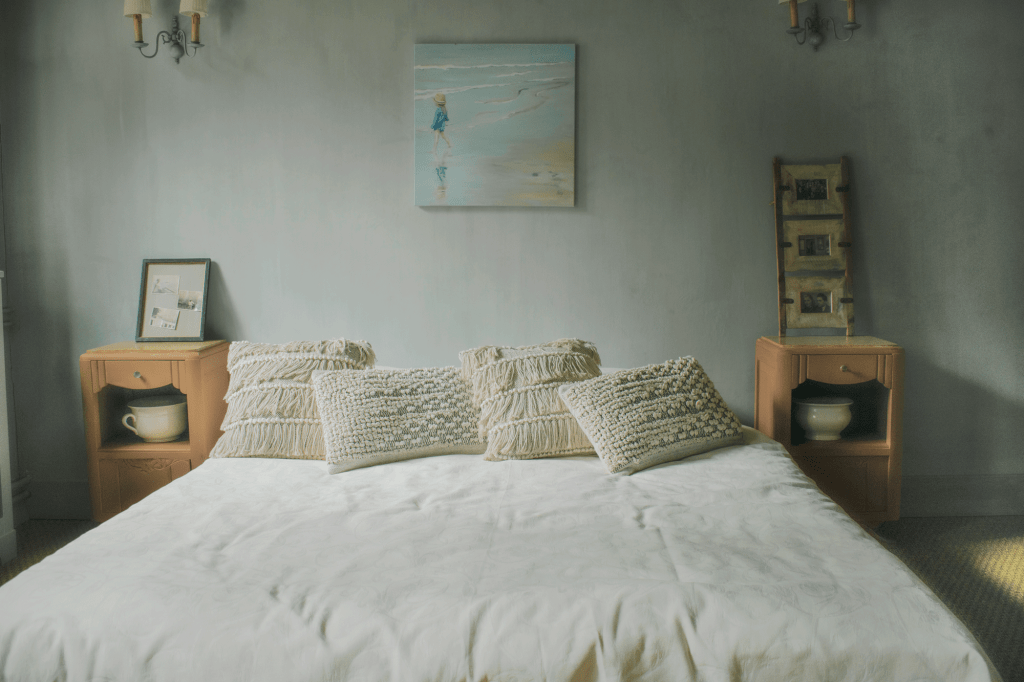
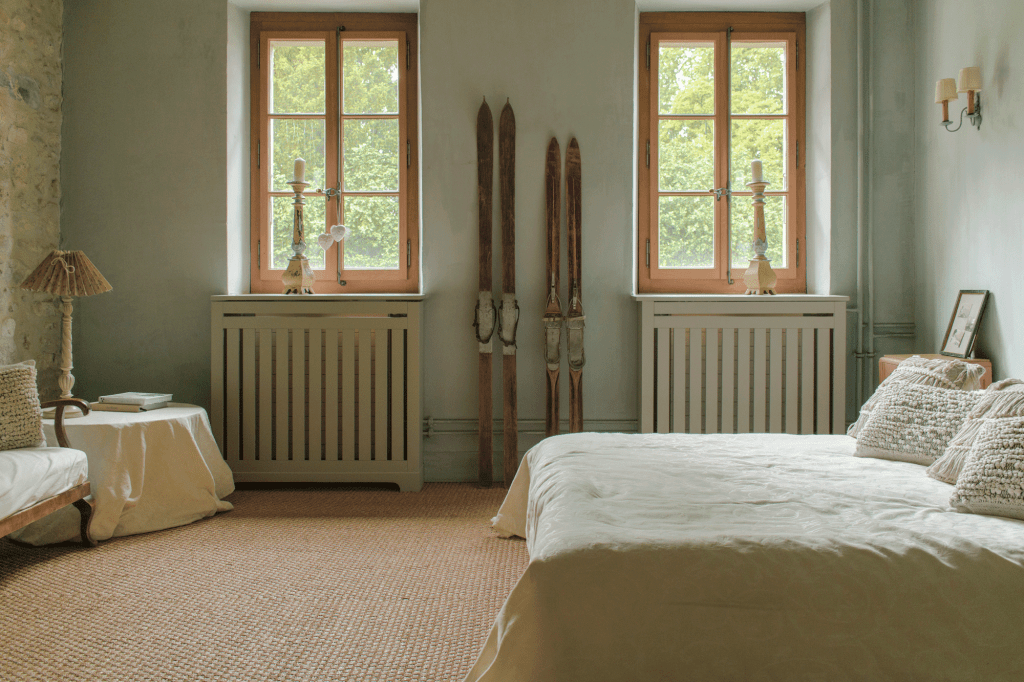
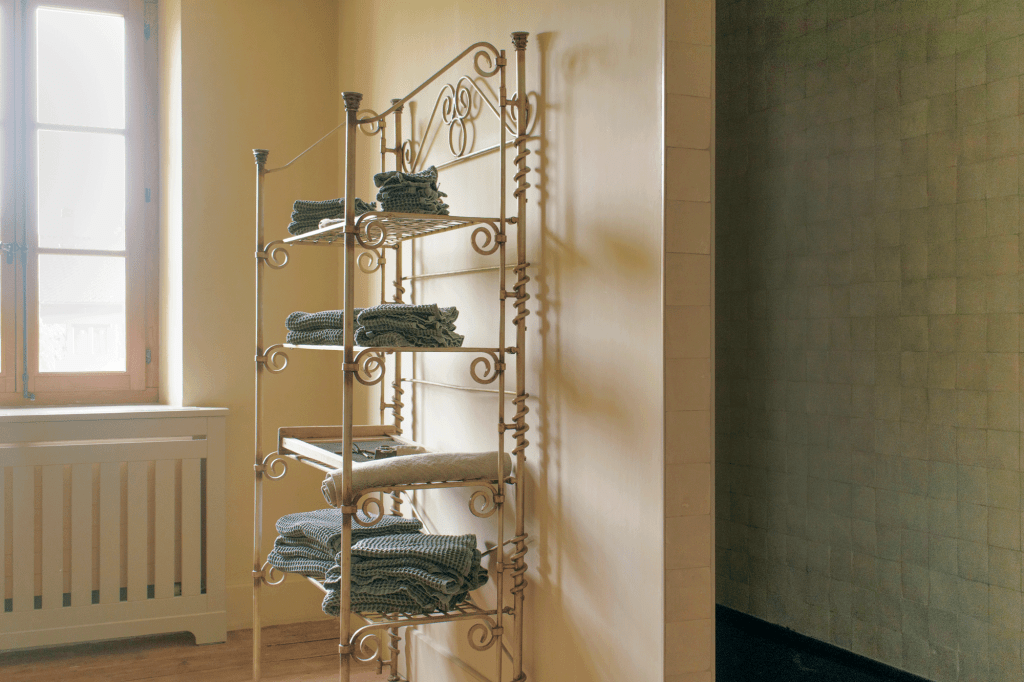
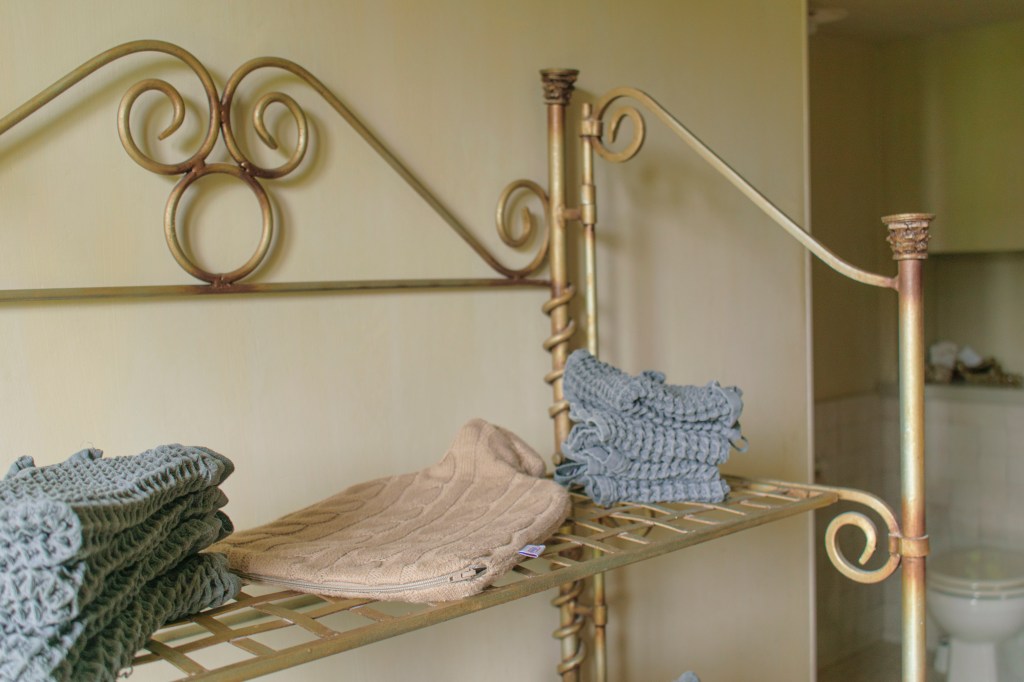
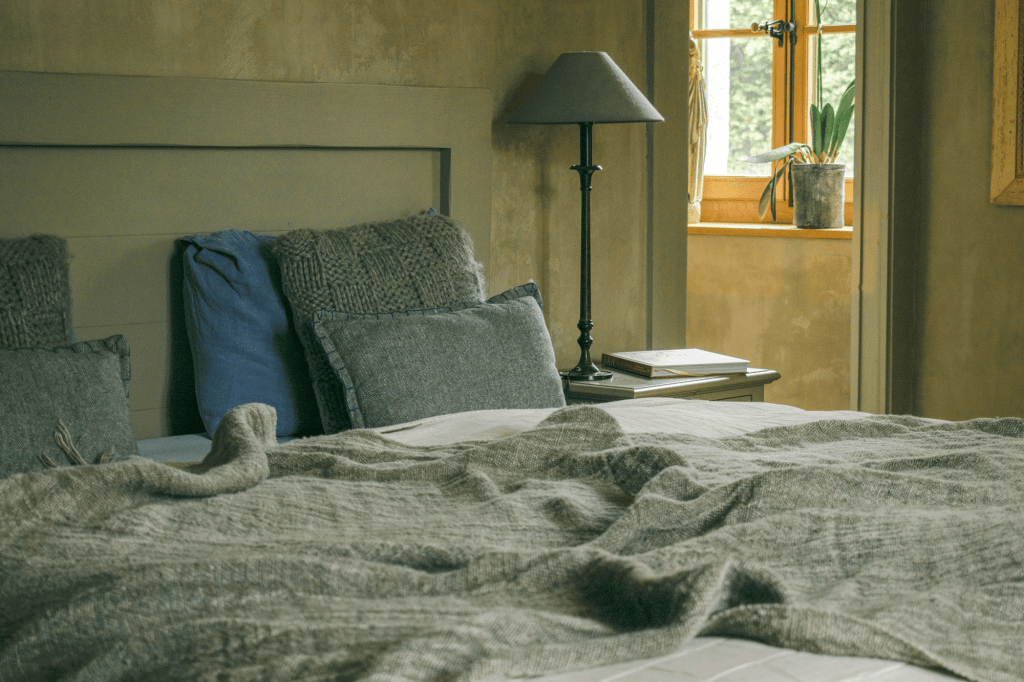
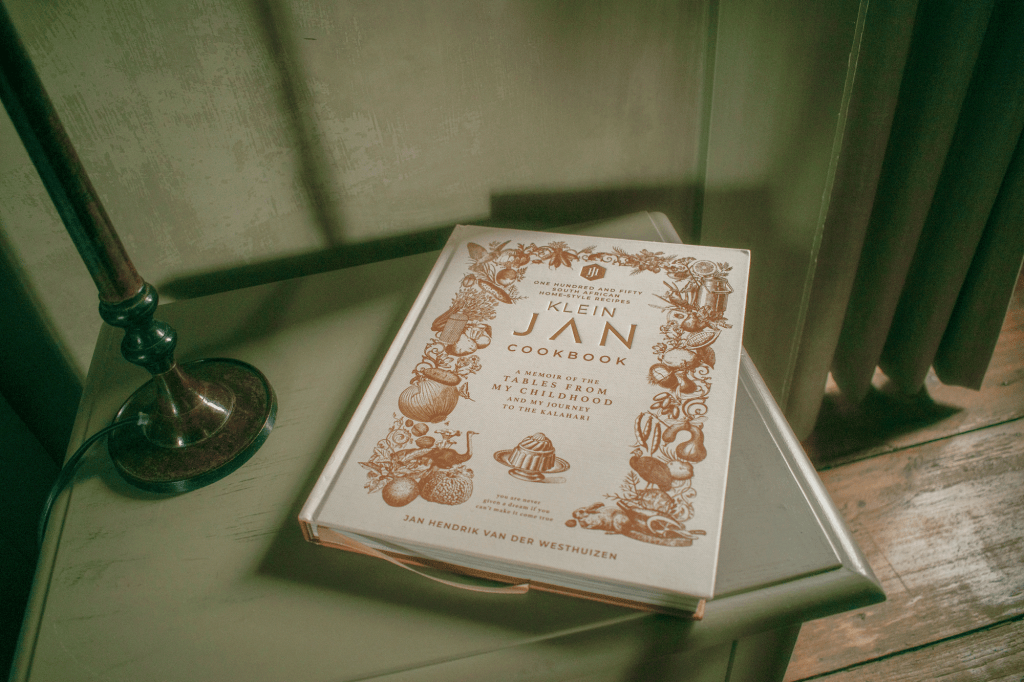
Take a tour inside the spaces, within the creative mind
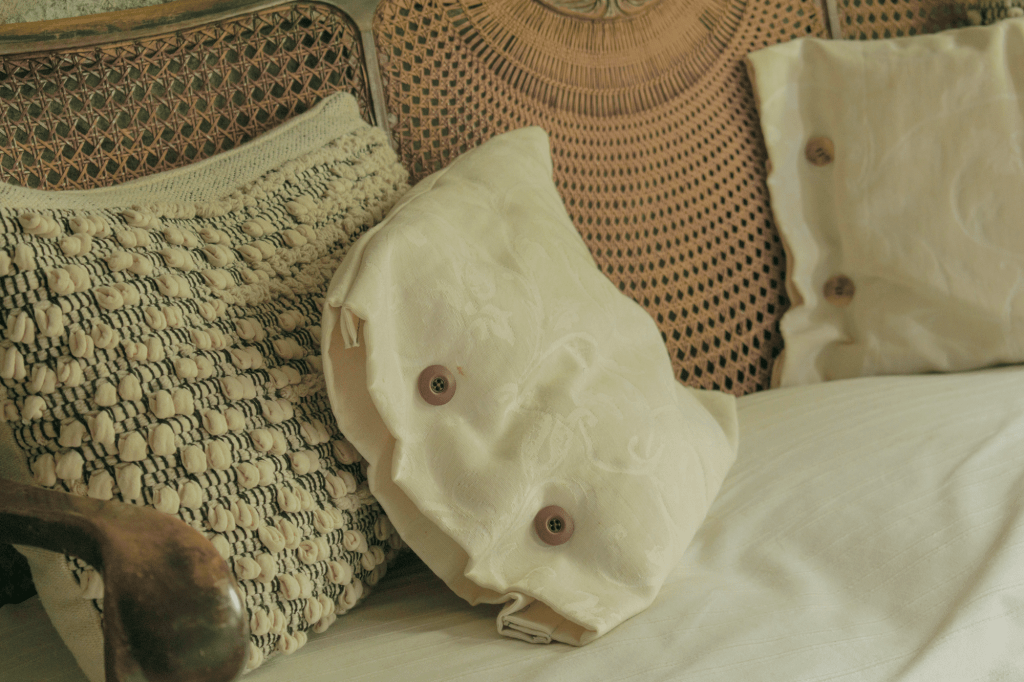
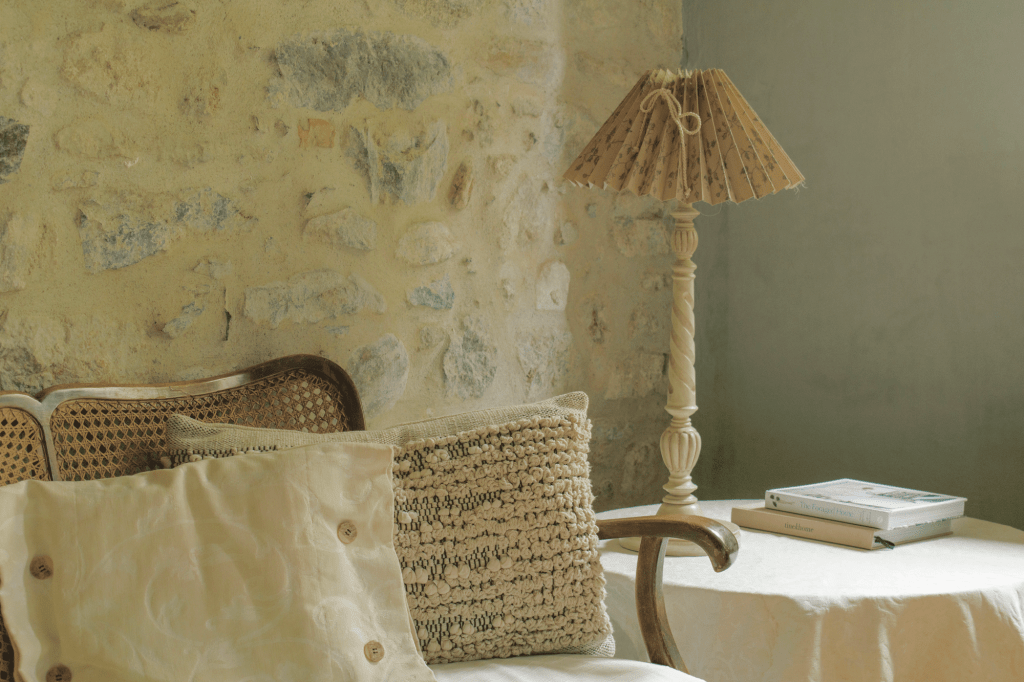
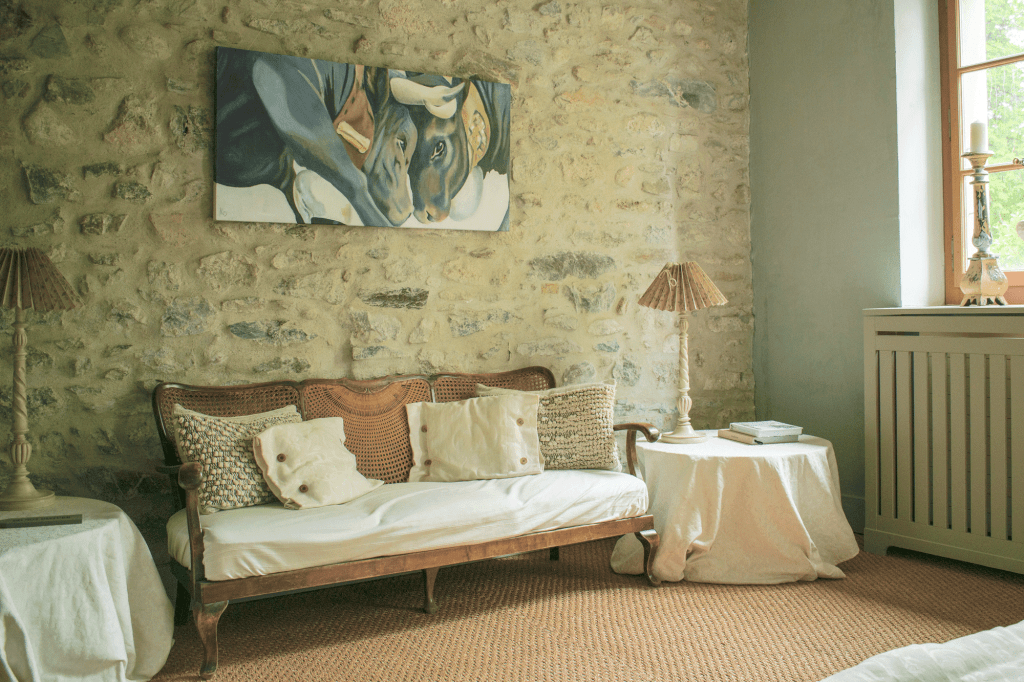
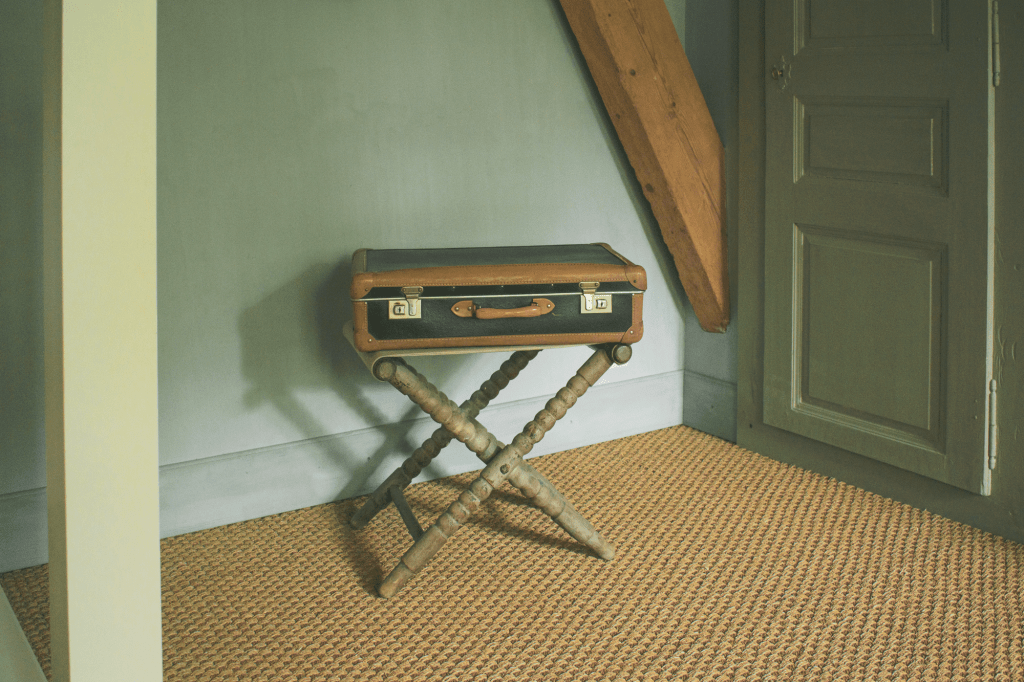
Photos: ZEBRAS AND MAGPIES™ unless otherwise stated.
Interview conducted in May 2026.


Leave a Reply