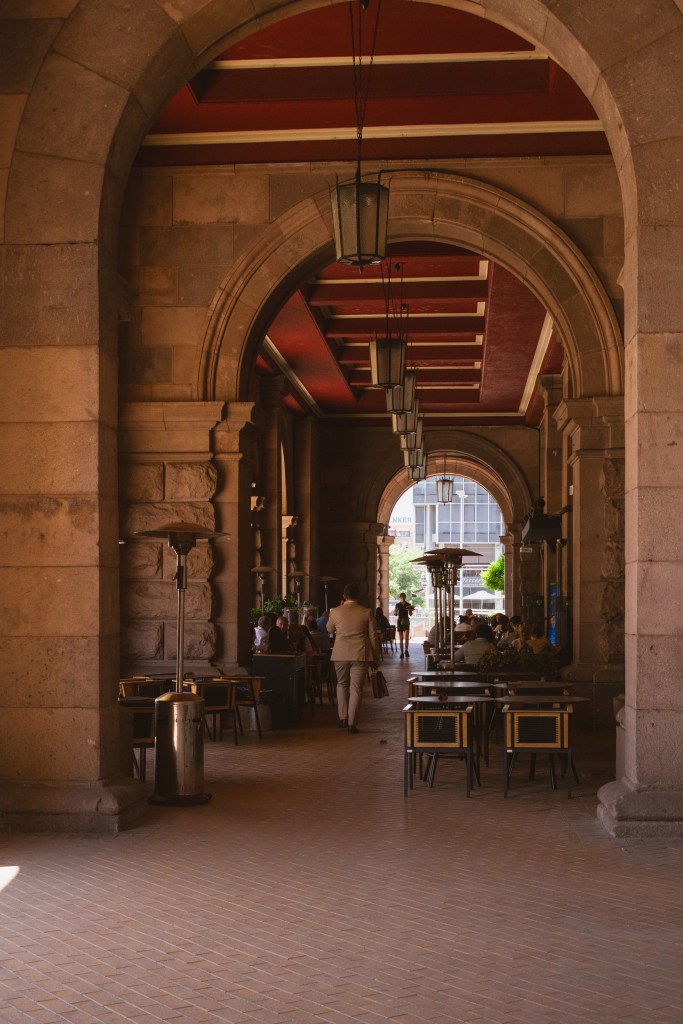
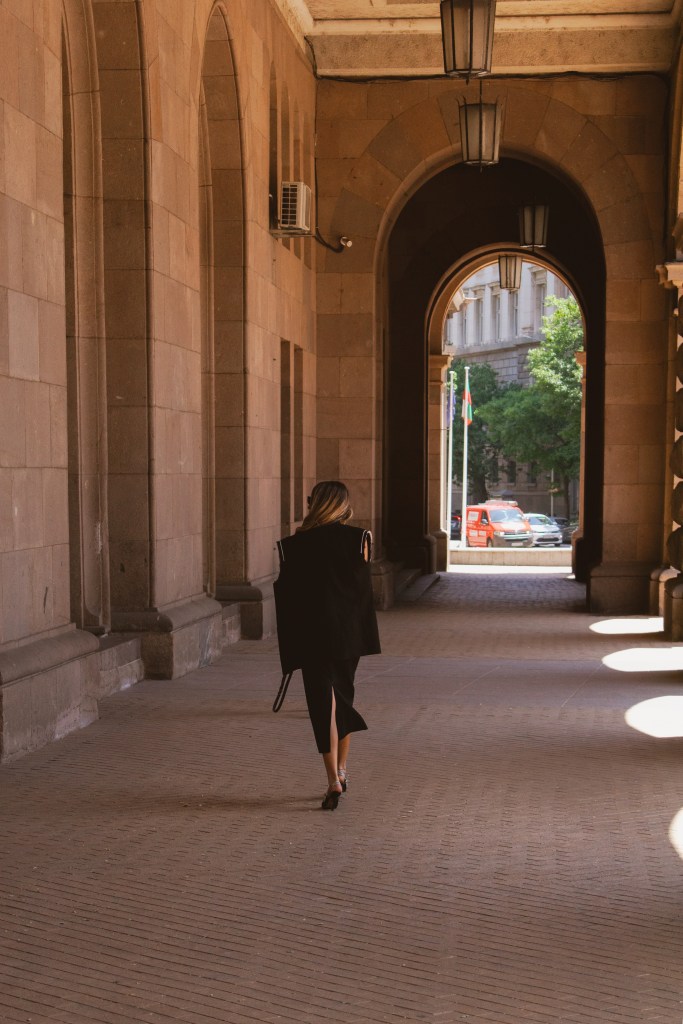
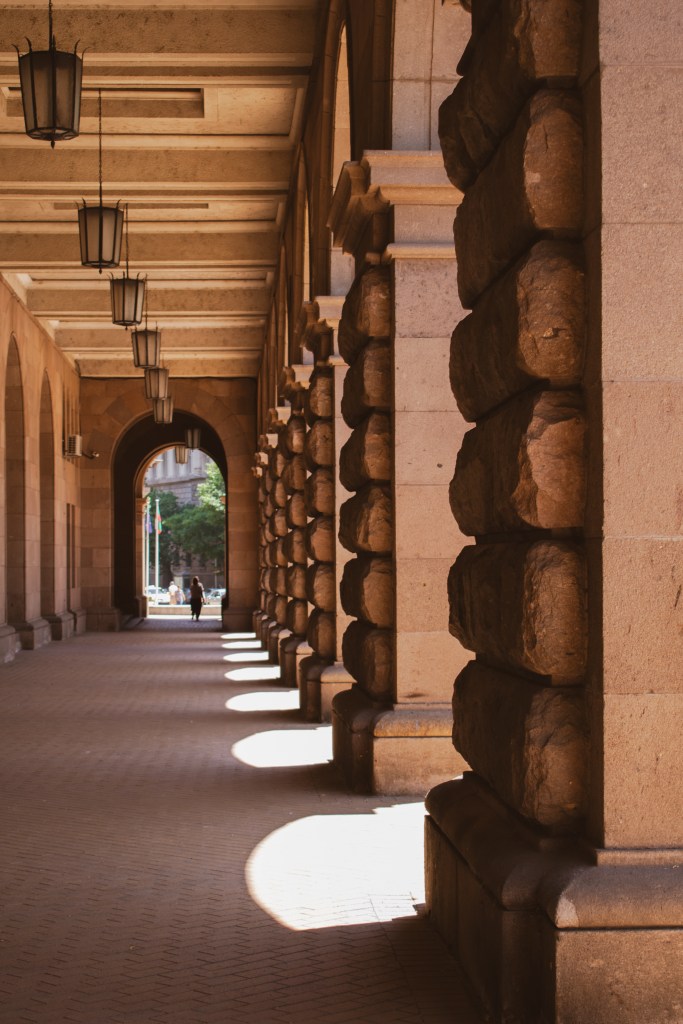
No geography map, no globe, no class can give you the knowledge of the world like the long hours on foot in a new city or a town. When I want to get to know a place, I refuse to prepare an itinerary. My guides are the streets; and sometimes, I’ve gotten lost and exhausted. But that decision to continue to explore, to see if I may find something new, or meet someone, has led me to the deepest moments of solace and peace. The pace of life slows down only when you allow the paths to unravel themselves by going forward through the mist, knowing that eventually you’ll end up at the address that you were meant to be.
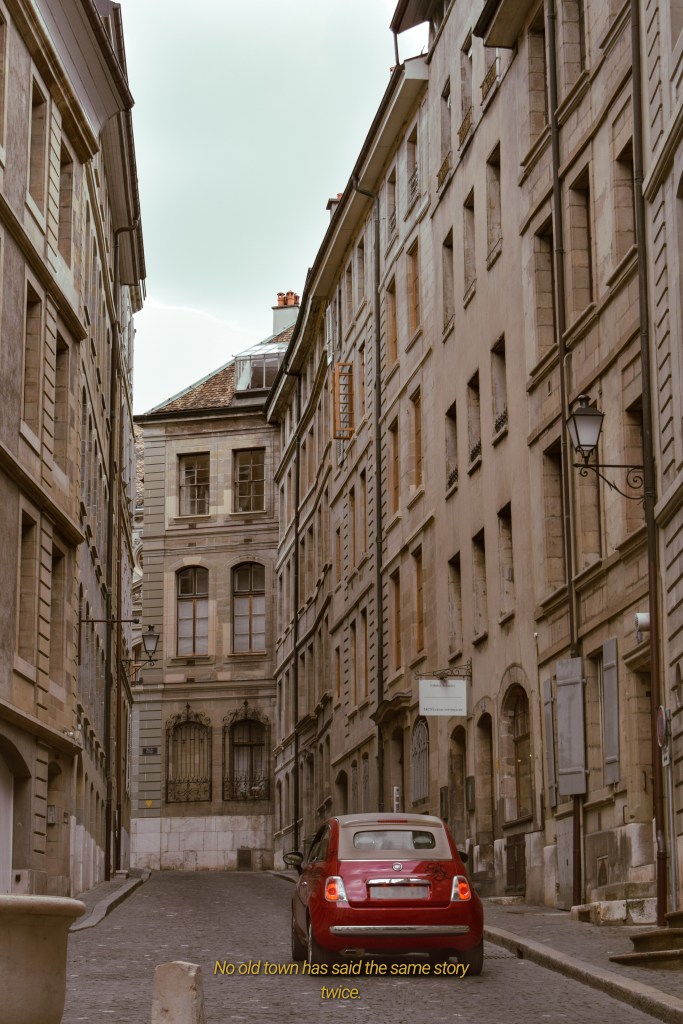
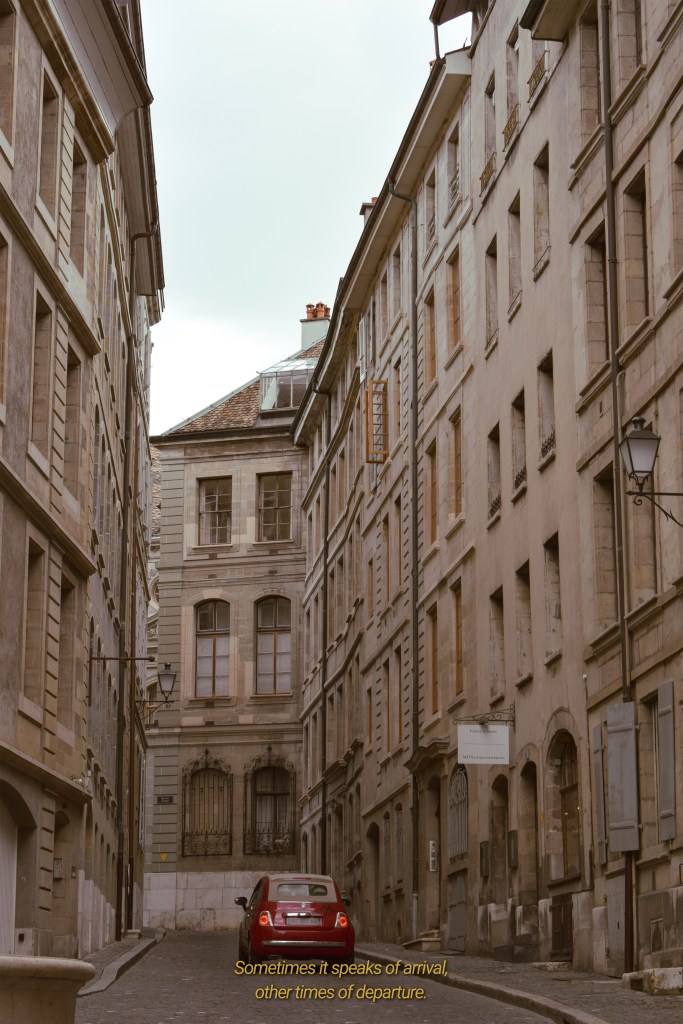
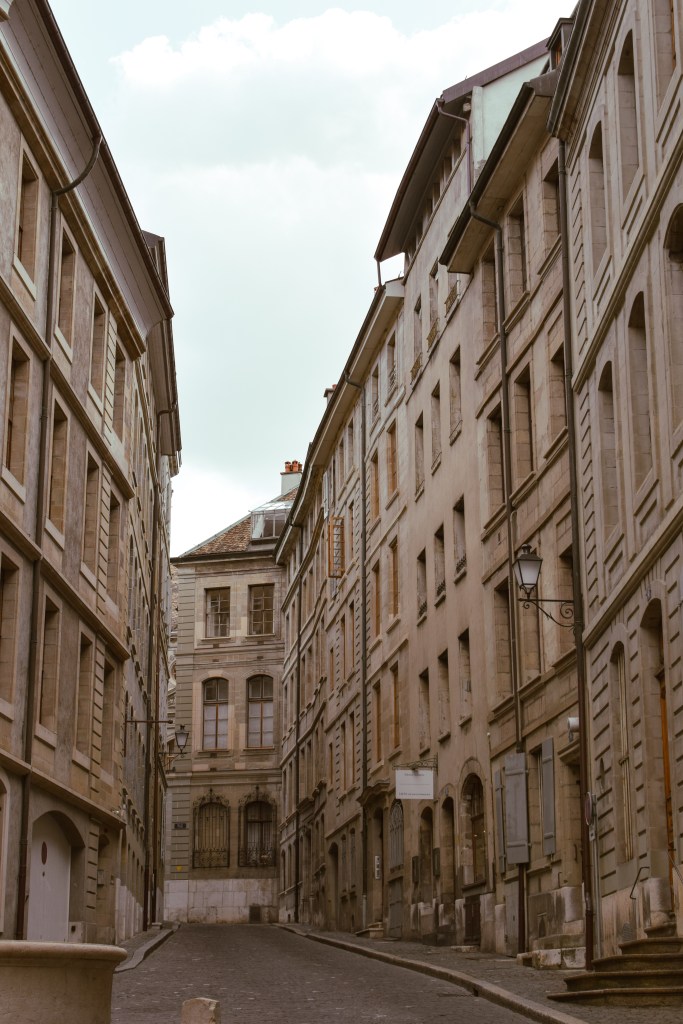
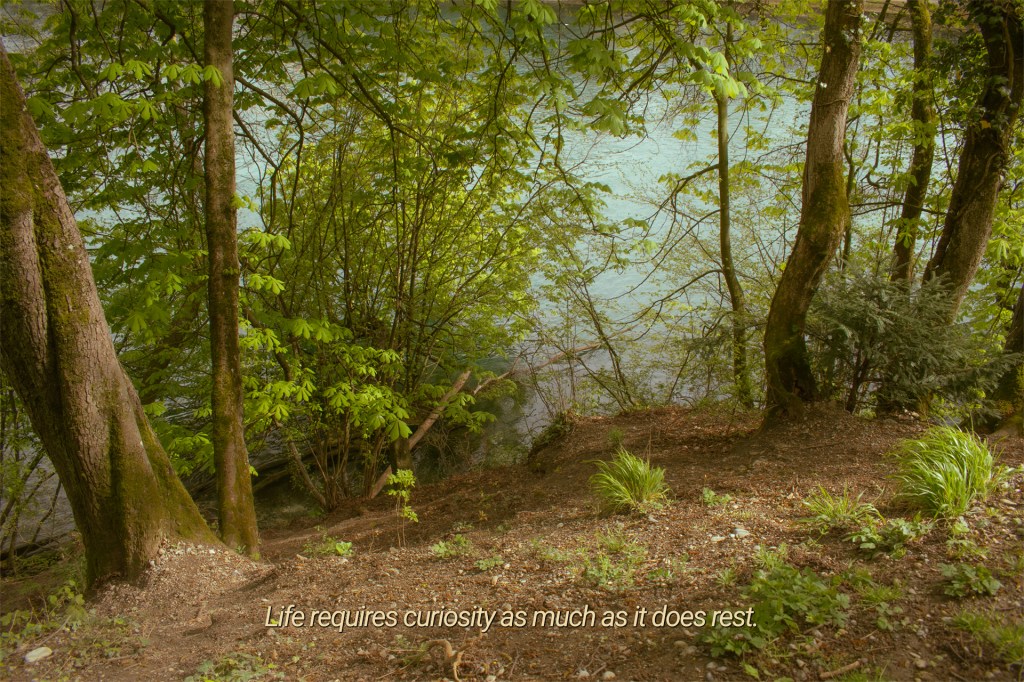
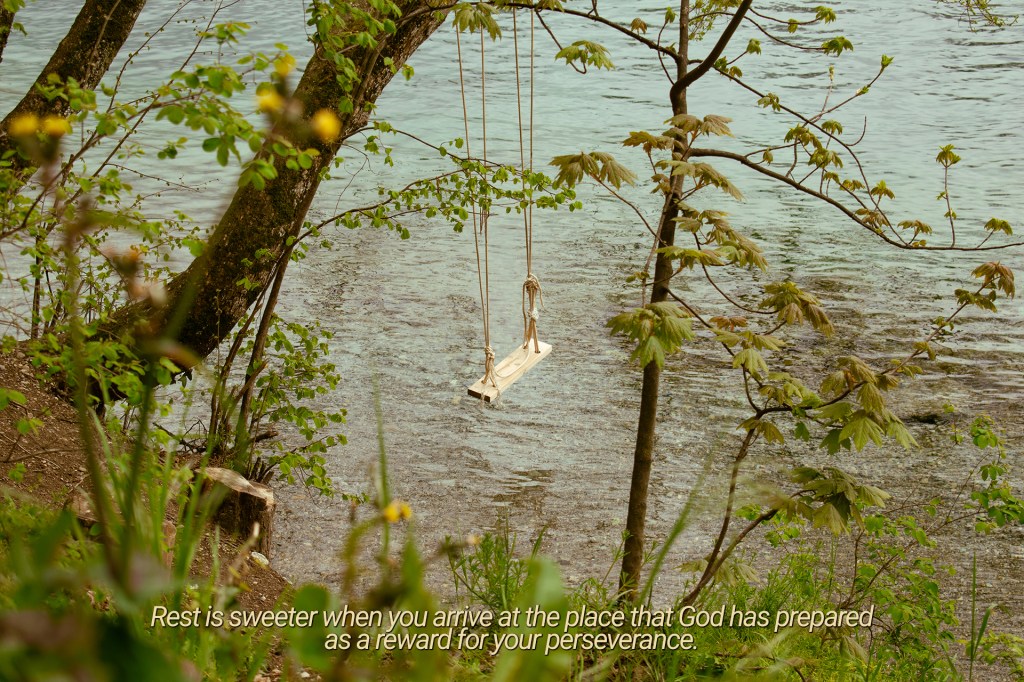
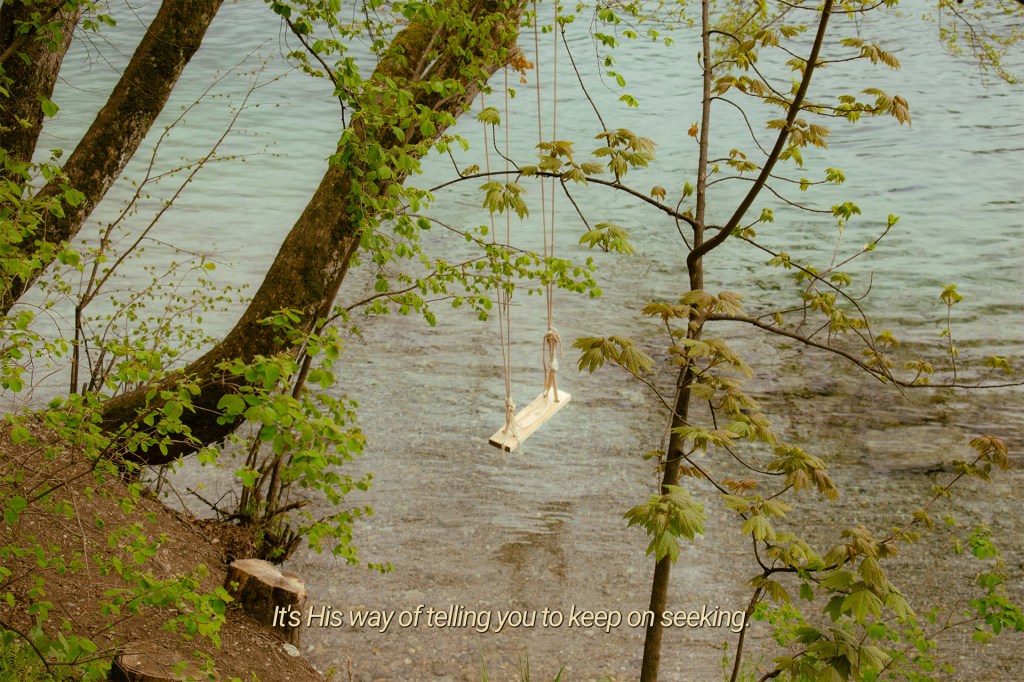
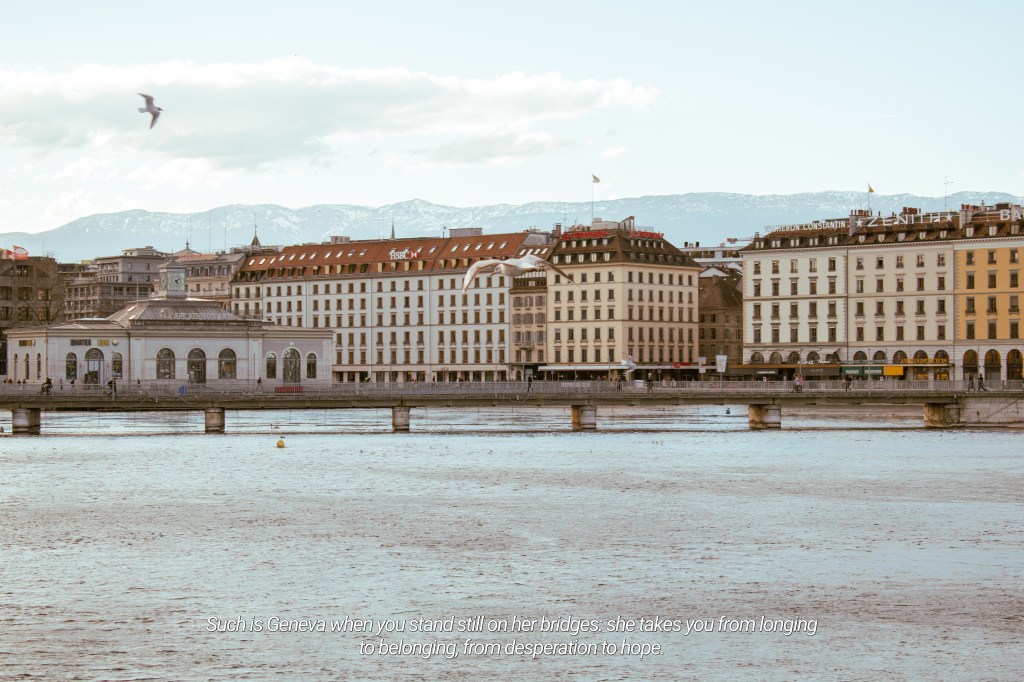
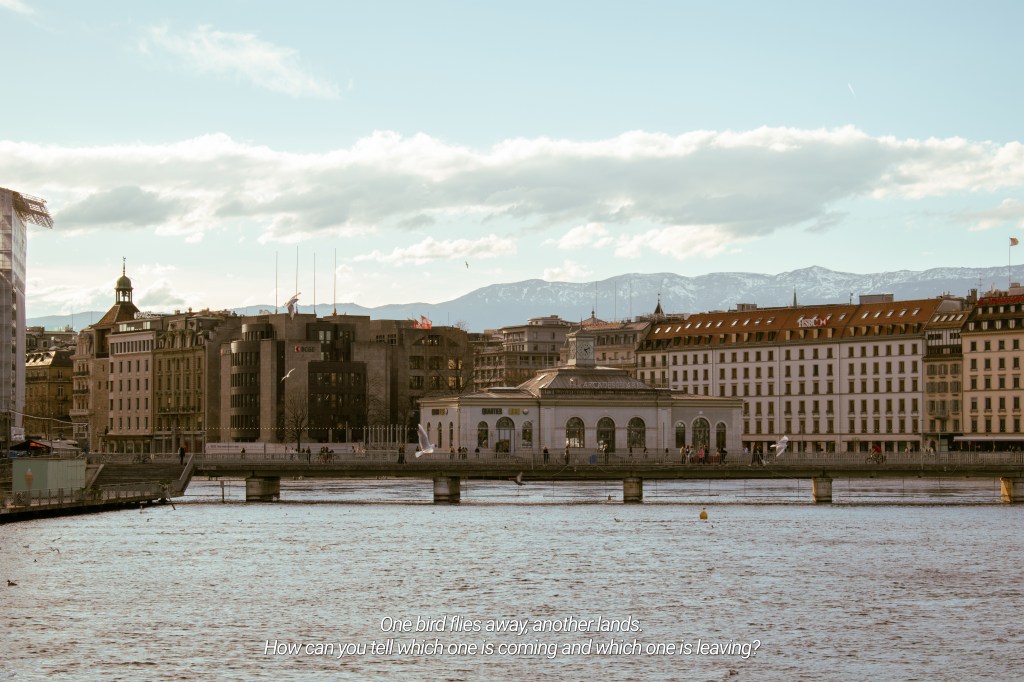
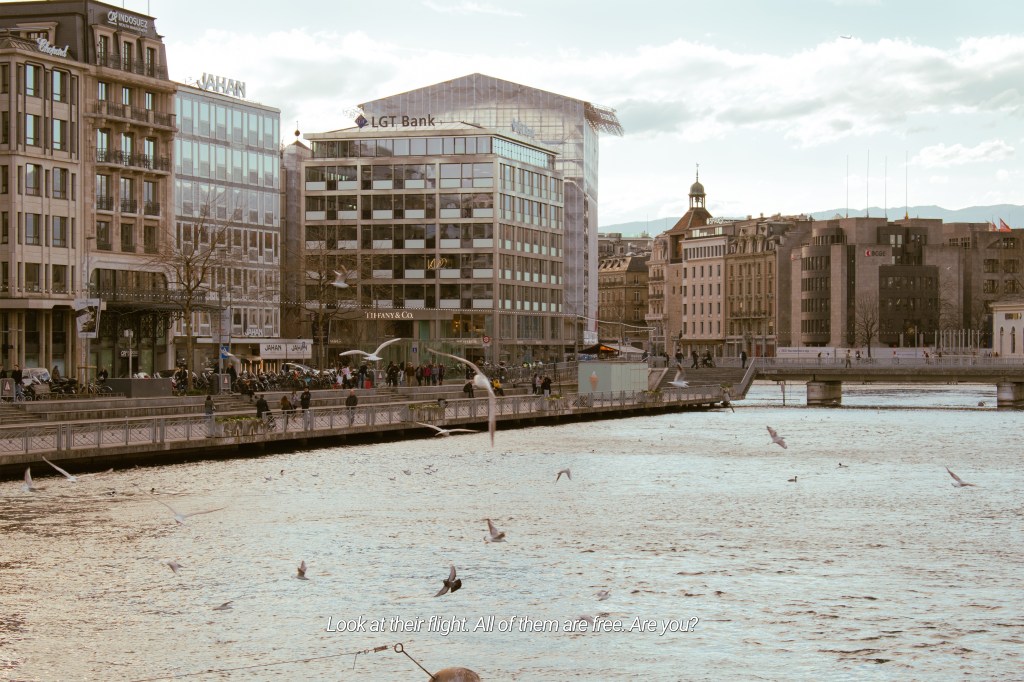
Genève, mon amour!
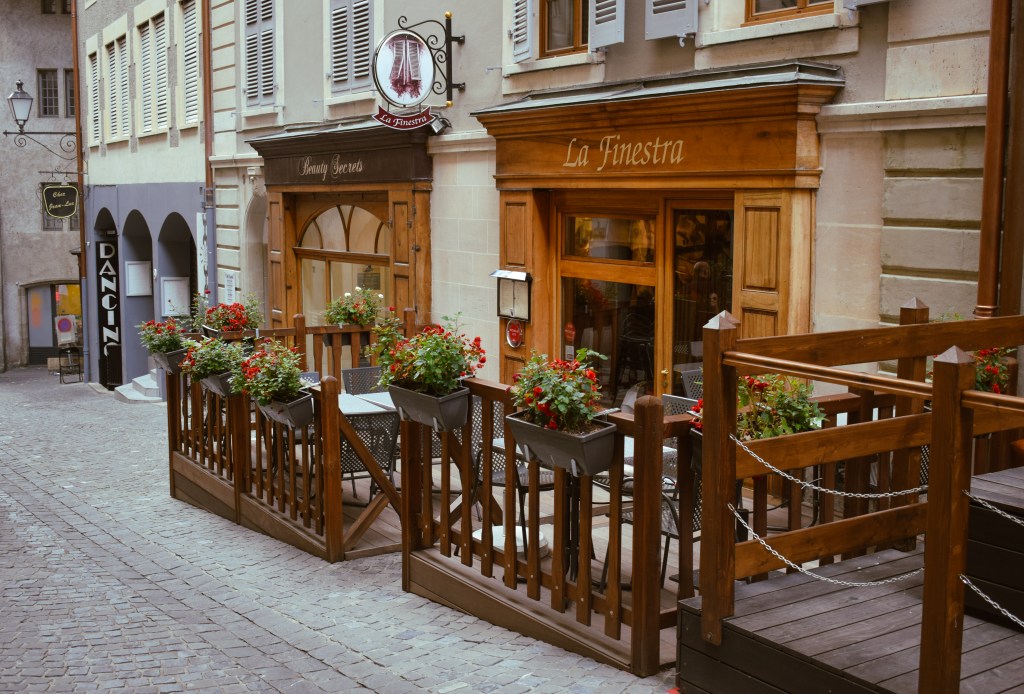
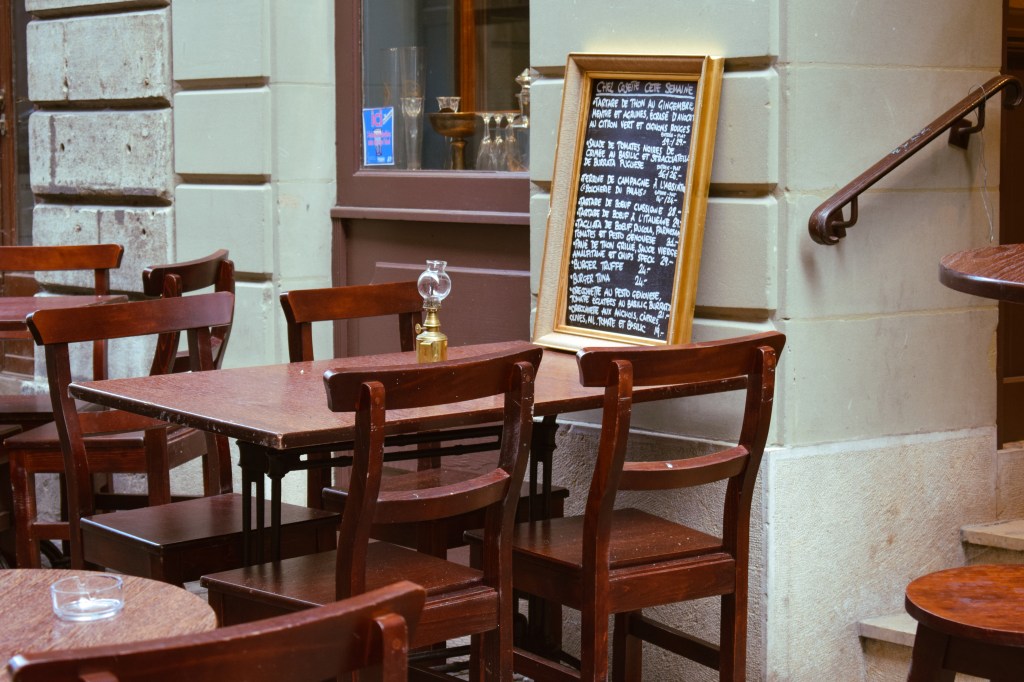
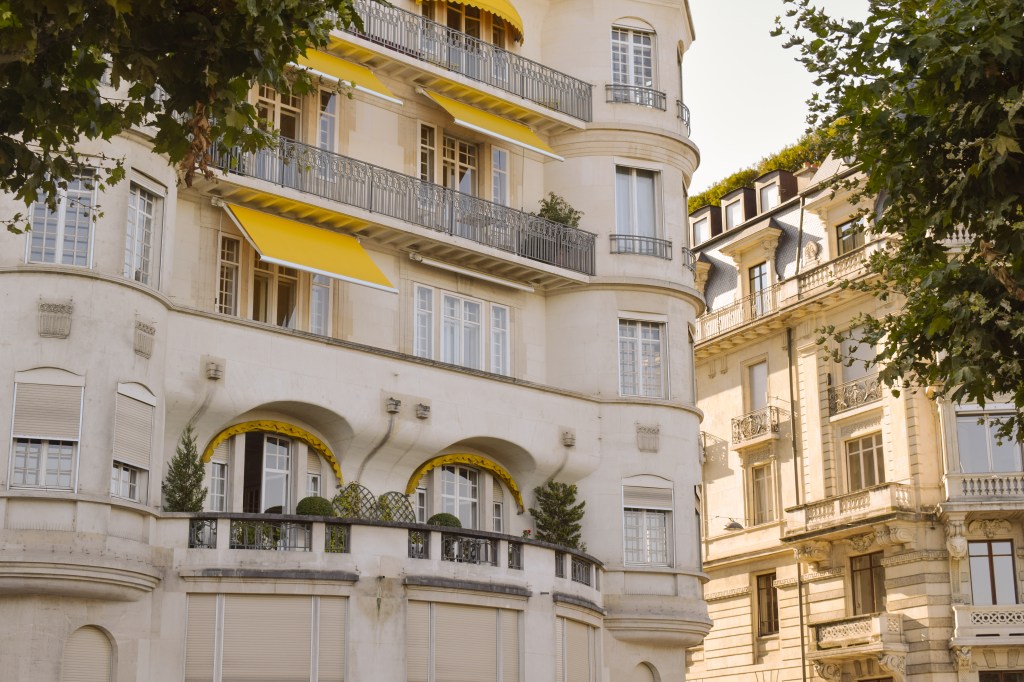
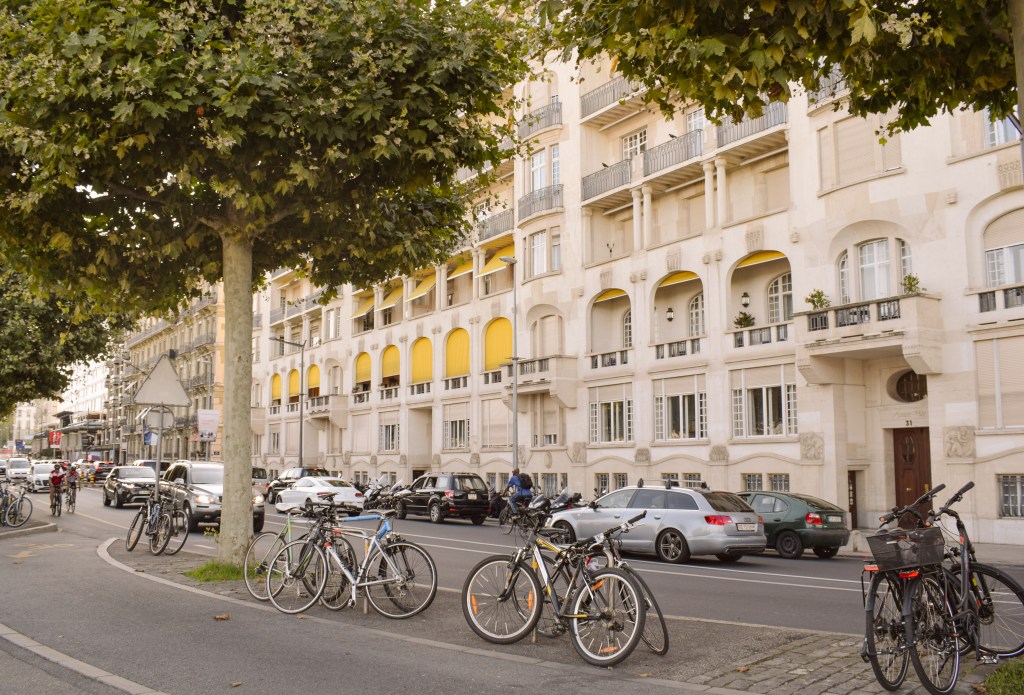
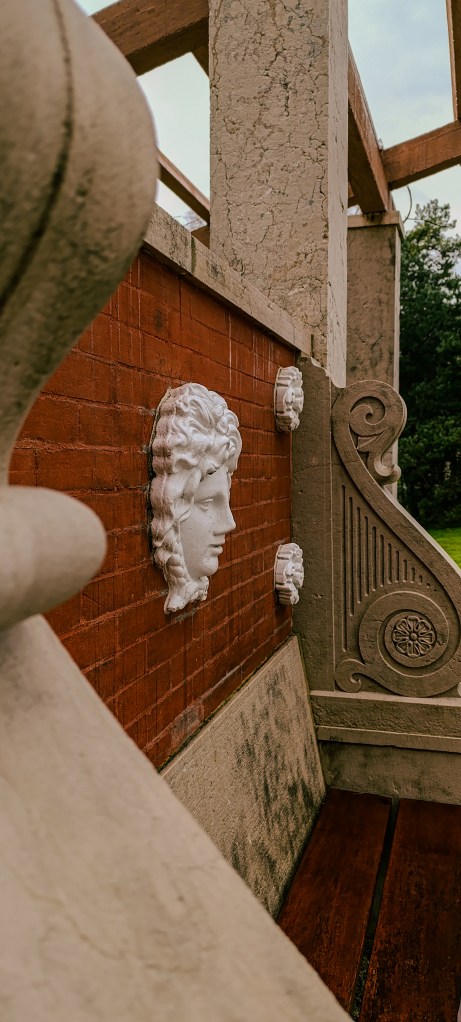
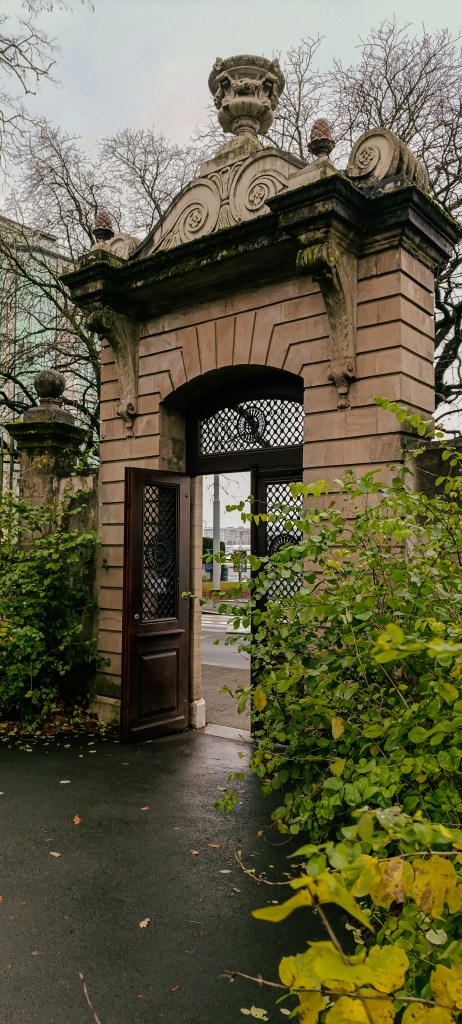
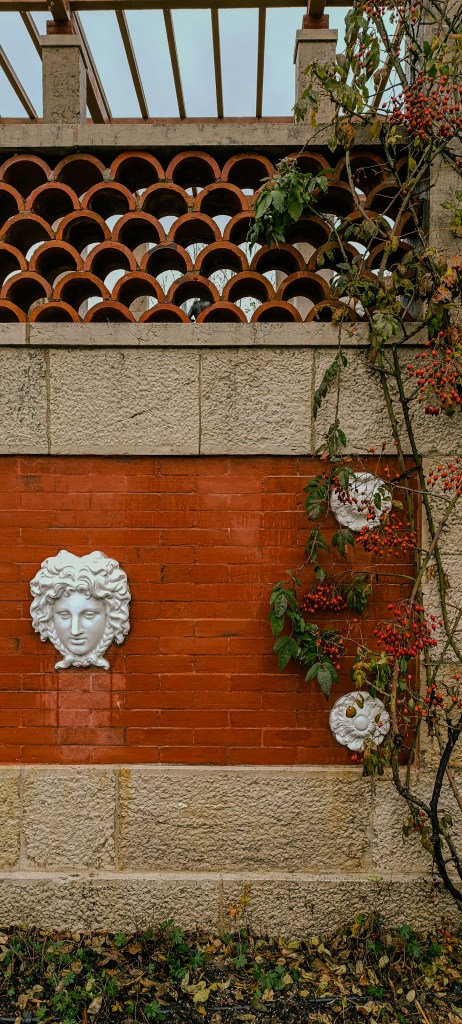
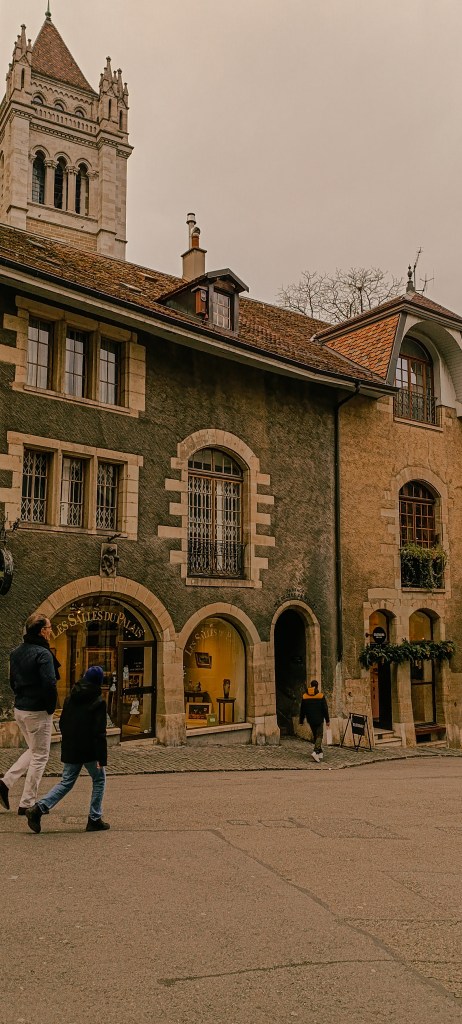
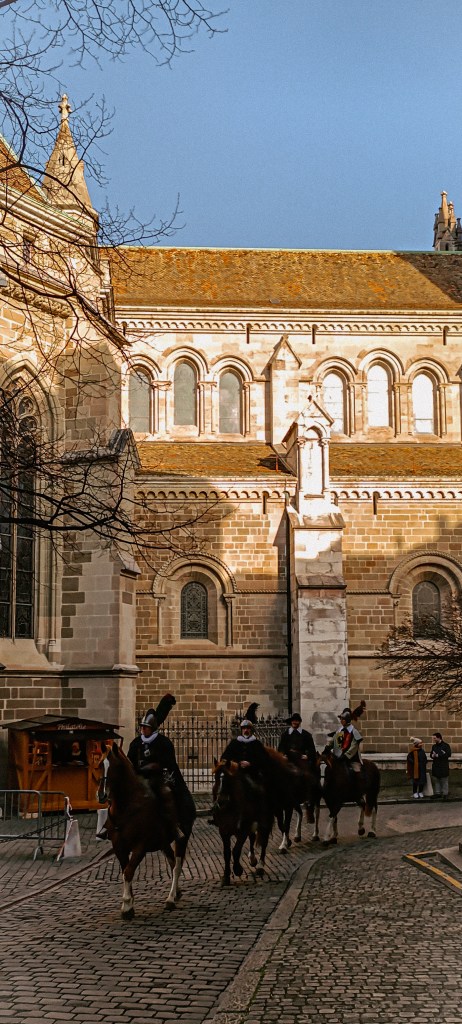
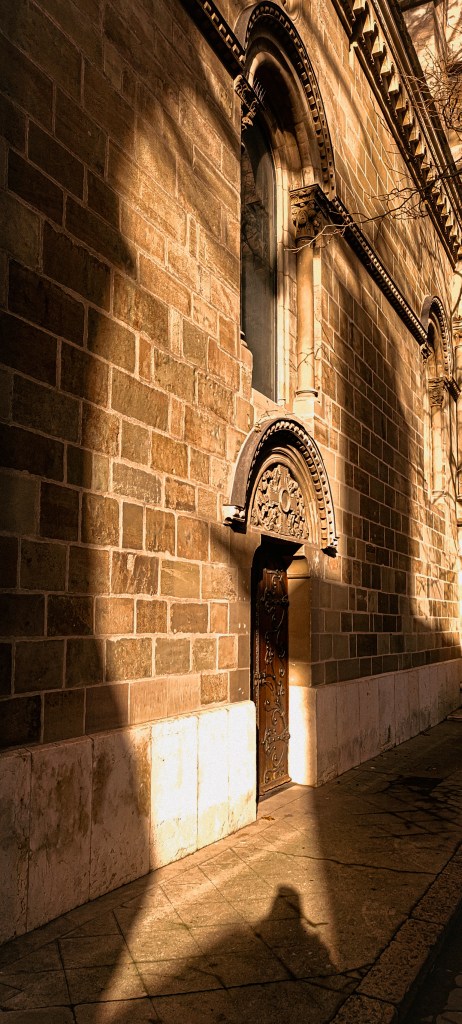
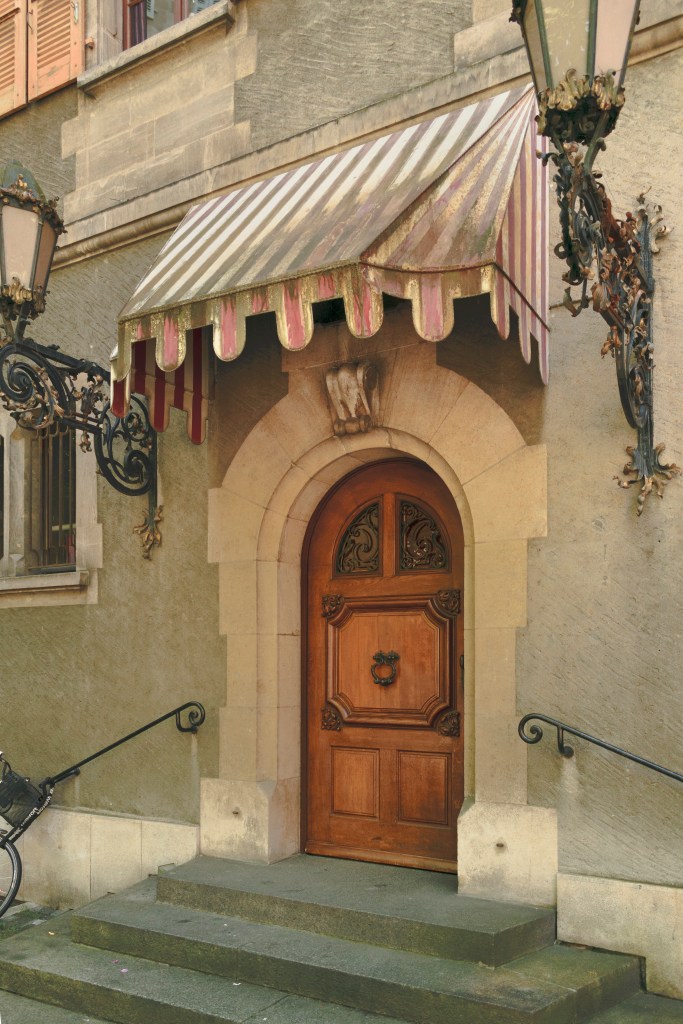
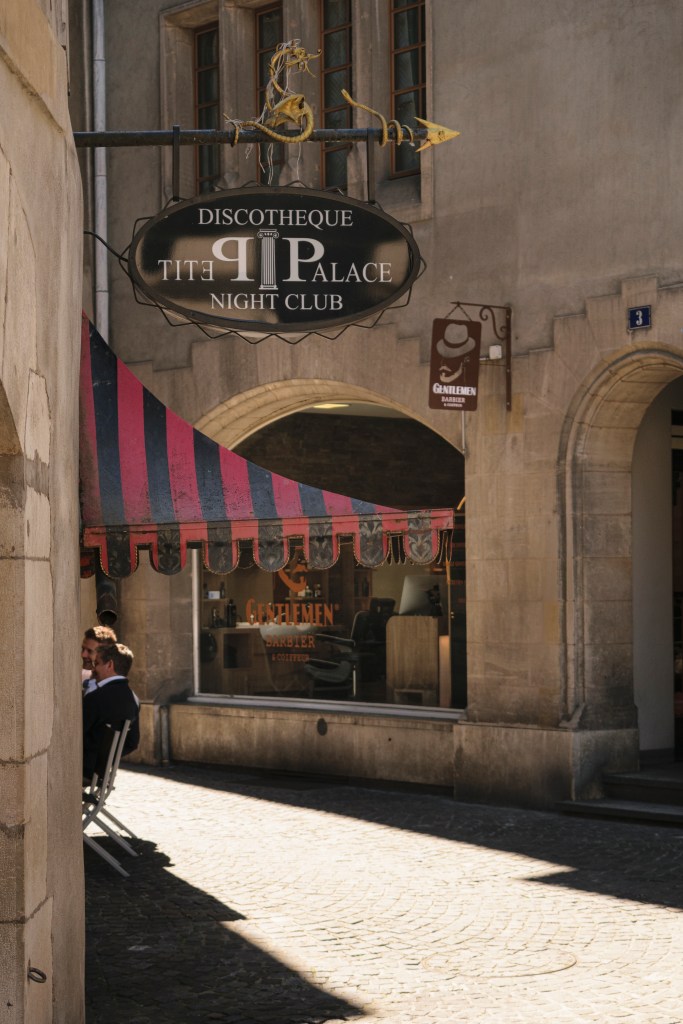
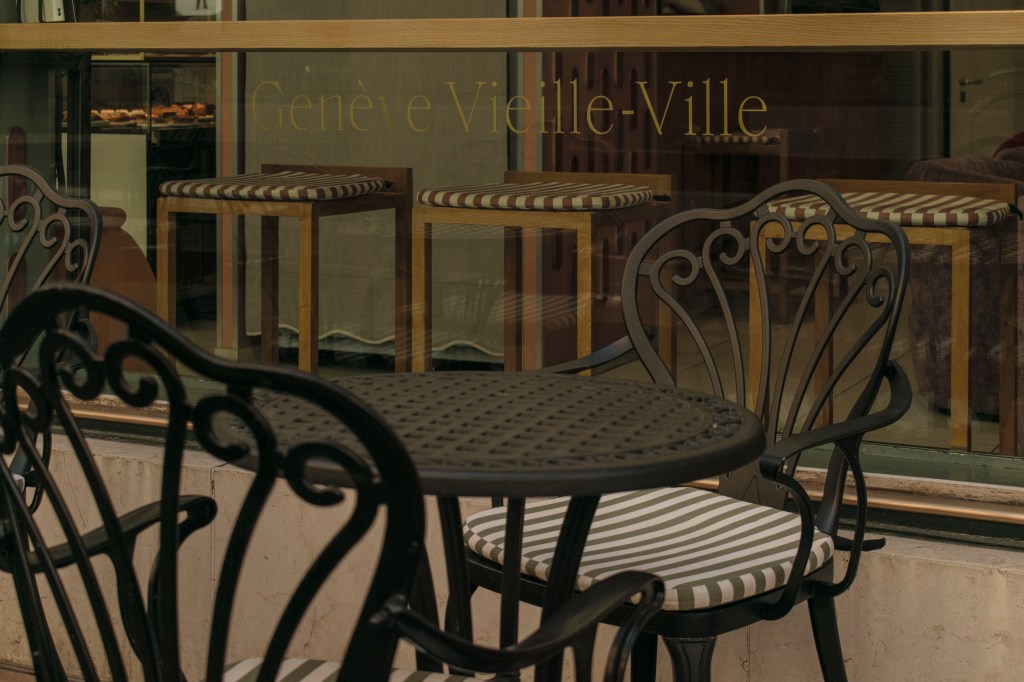
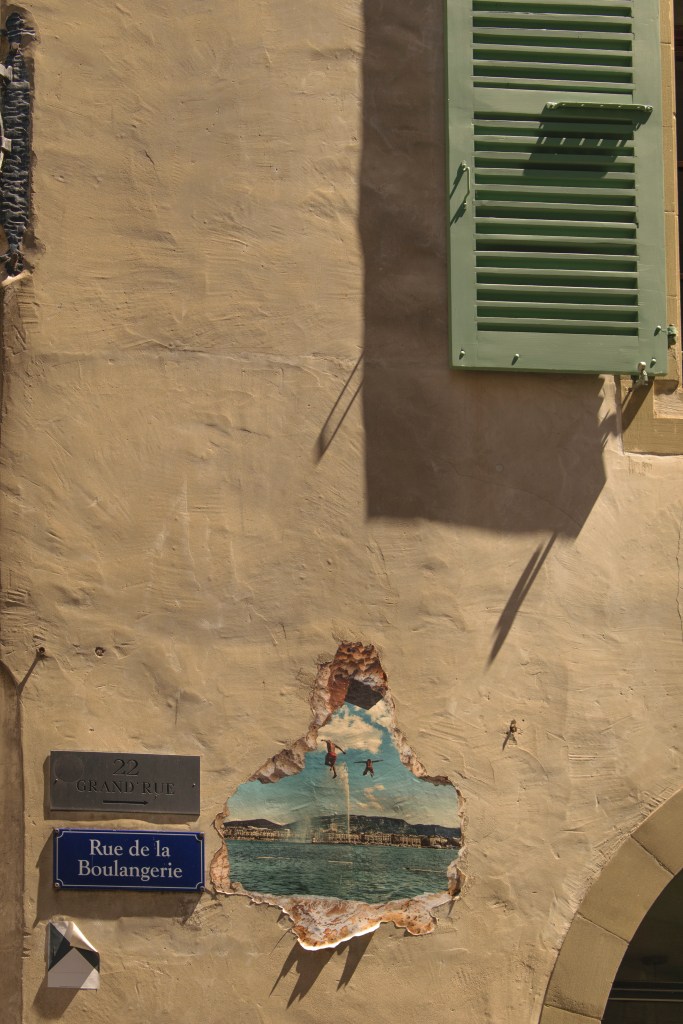
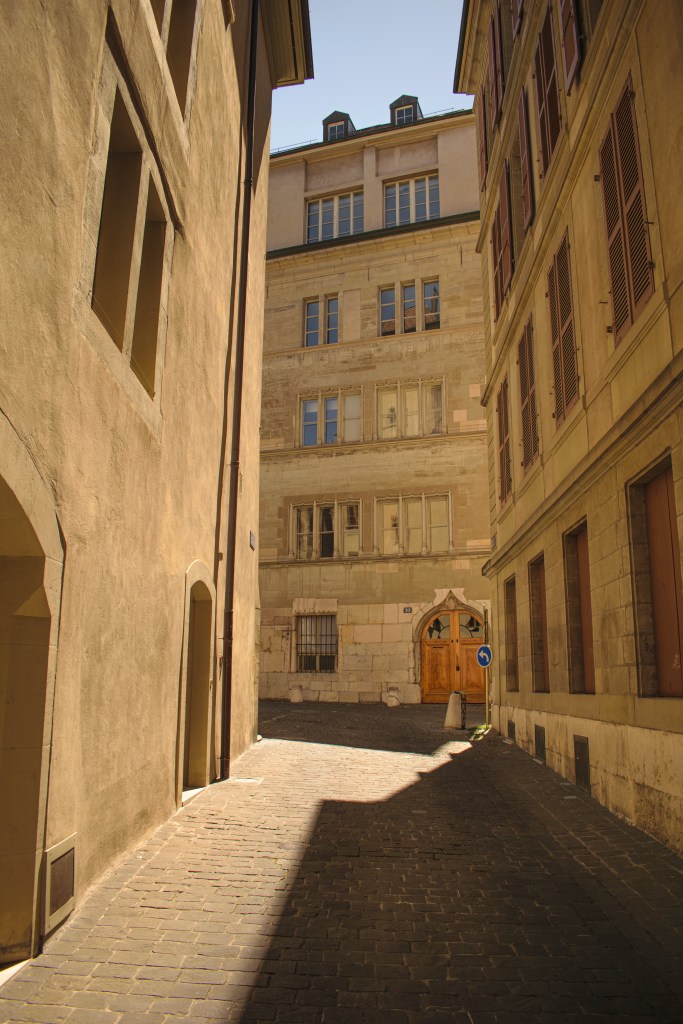
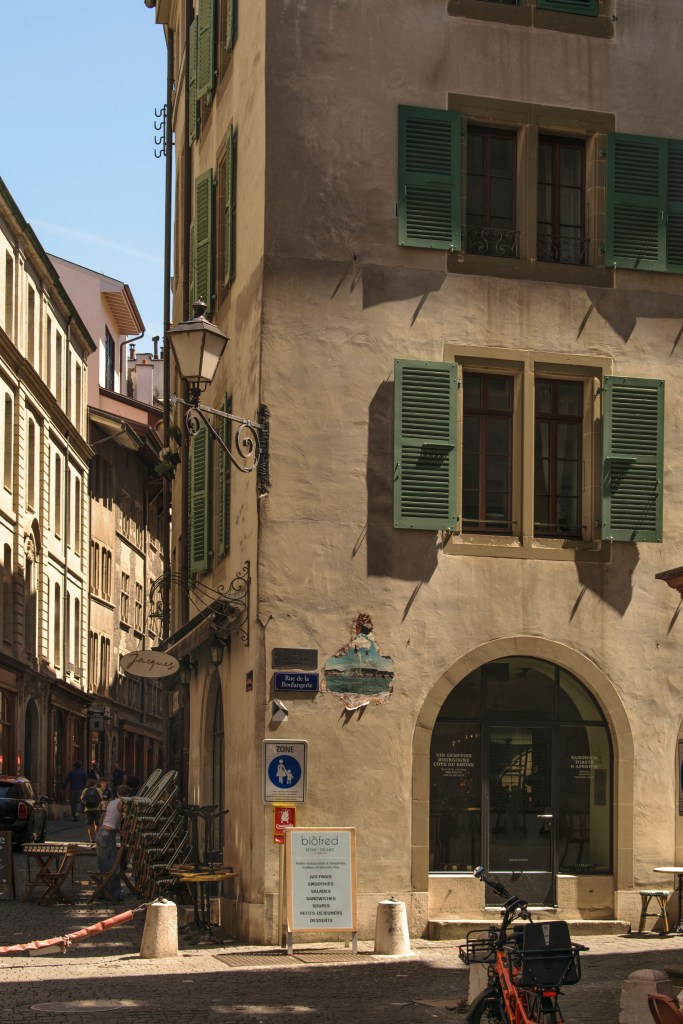
She is the elegance of my elegance. The nurturer of my peace, and the container of my bravest dreams. Only God and she know my thoughts when I am embraced by her shores; not because I hide them, but because she understands me like no other. A city so peaceful, that restless minds mistake it for boring. She holds hundreds of cities within herself—in the thought-out outfits of the old ladies, in the stone buildings, in the child-like joy of the Spanish tourists, in the quiet nest of the young swan parents. There is no end here—only an undiscovered map of places where you have yet to stand, lost for words.
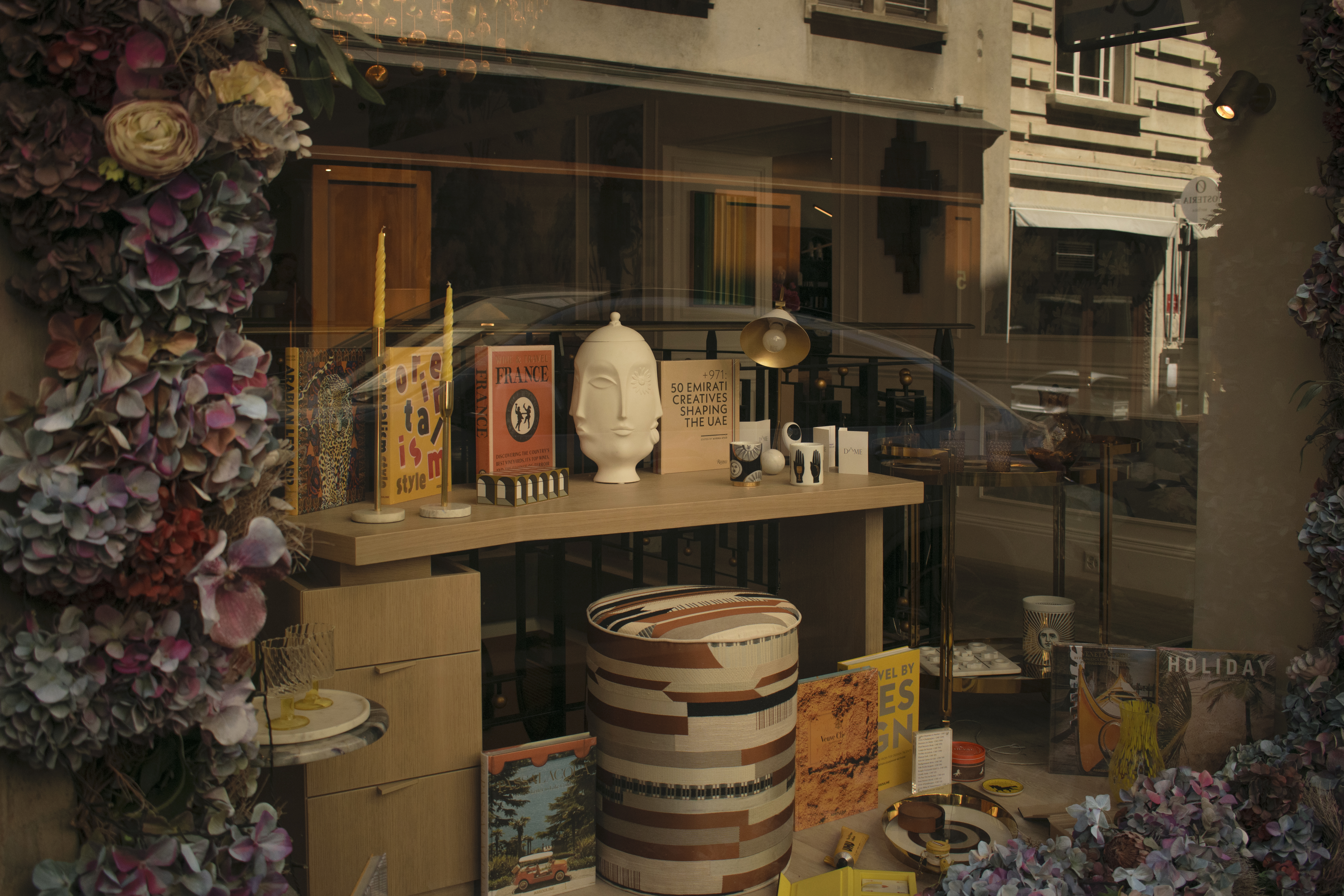
Feral Roots
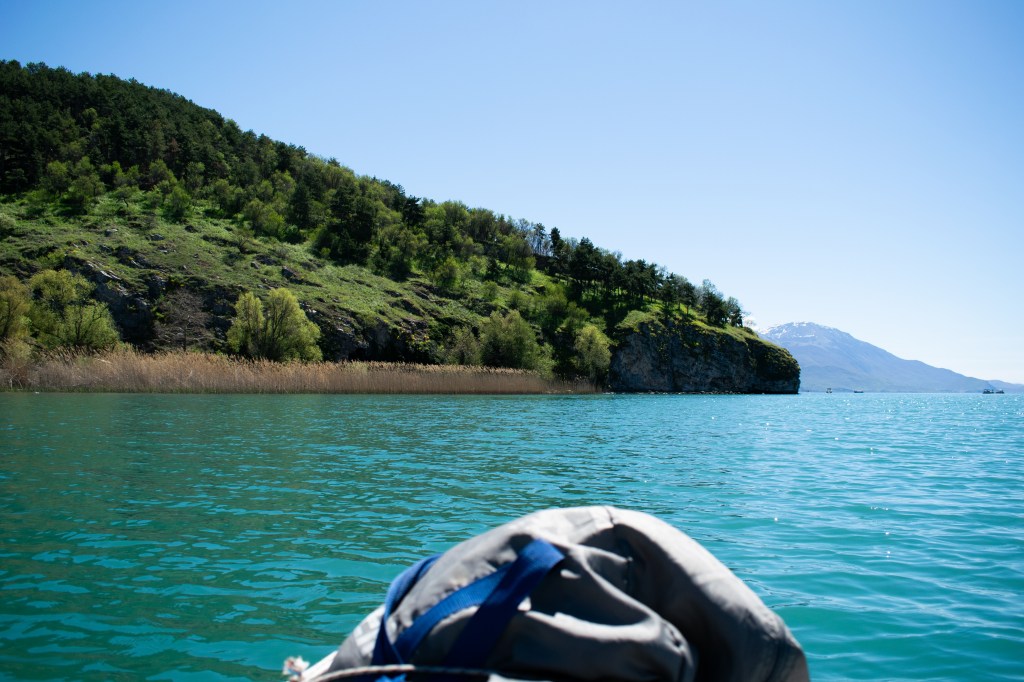
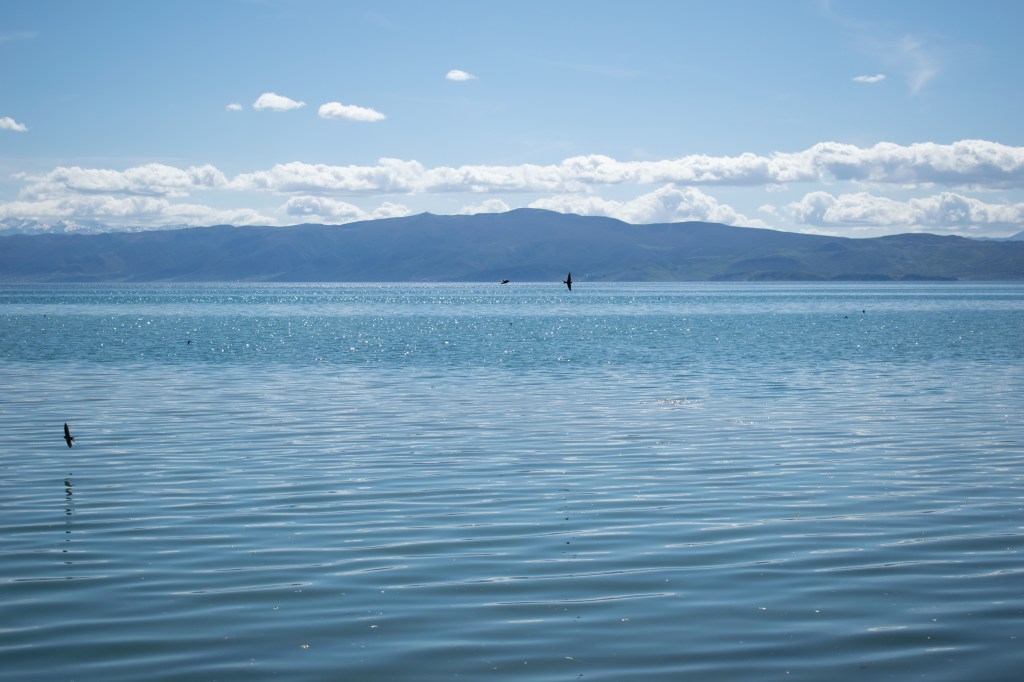
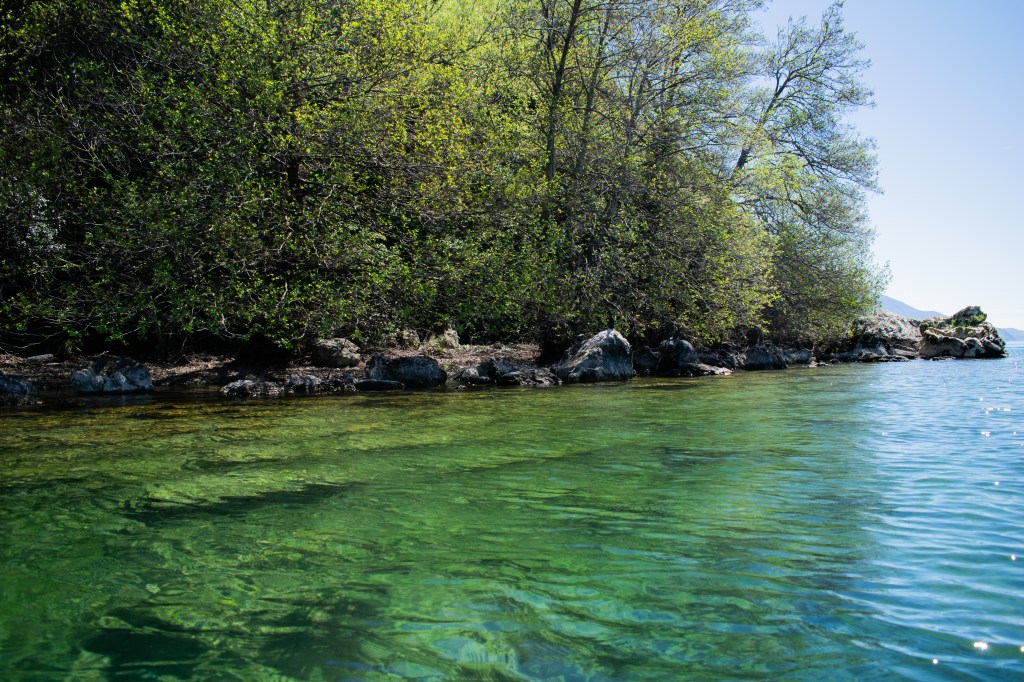
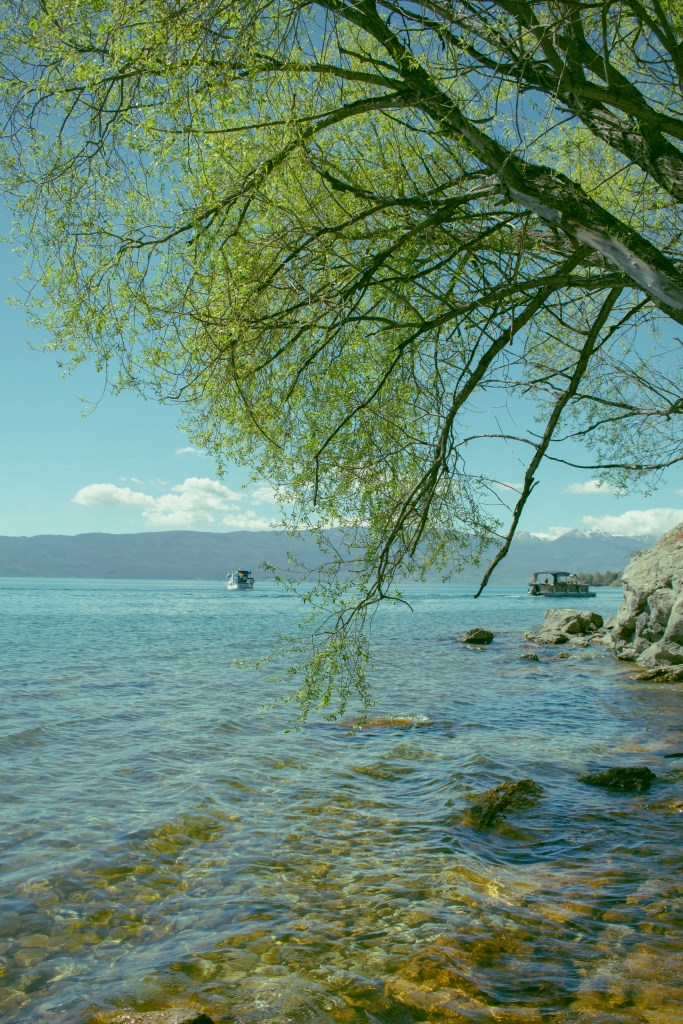
Ohrid — a place that, no matter how much people exhaust it — with their irresponsibility, gluttony, pollution, and noise — always brings new life, new freshness, new hope.
Because God created it in His likeness, as if it were His own island — a place where He can rest from the corruption of the small country where He placed Ohrid to be what it is: a miracle and a promise.
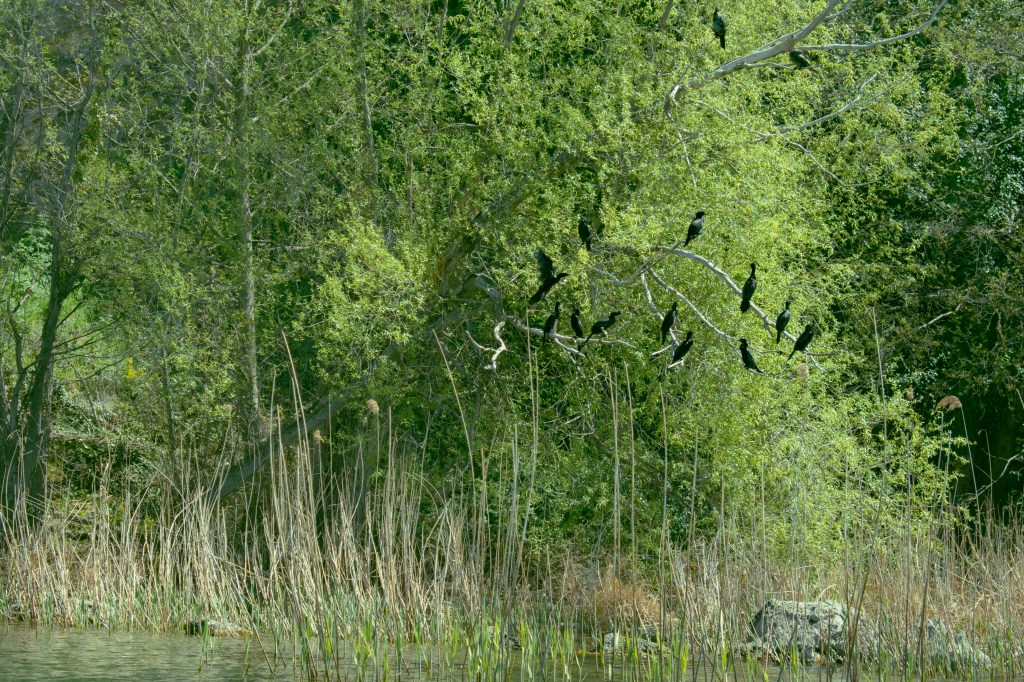
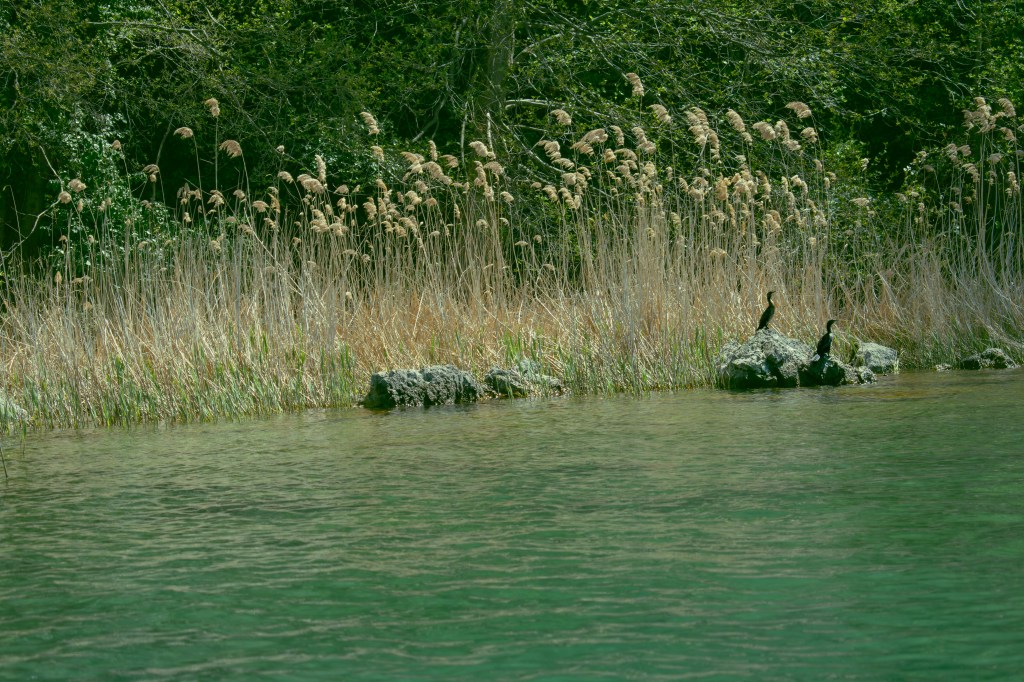
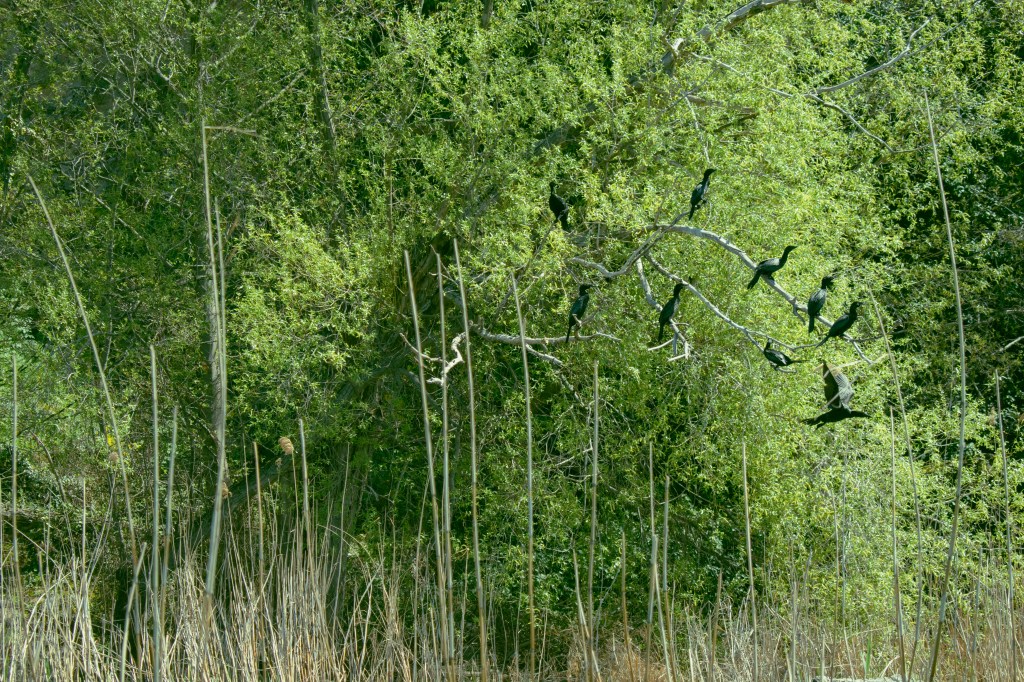
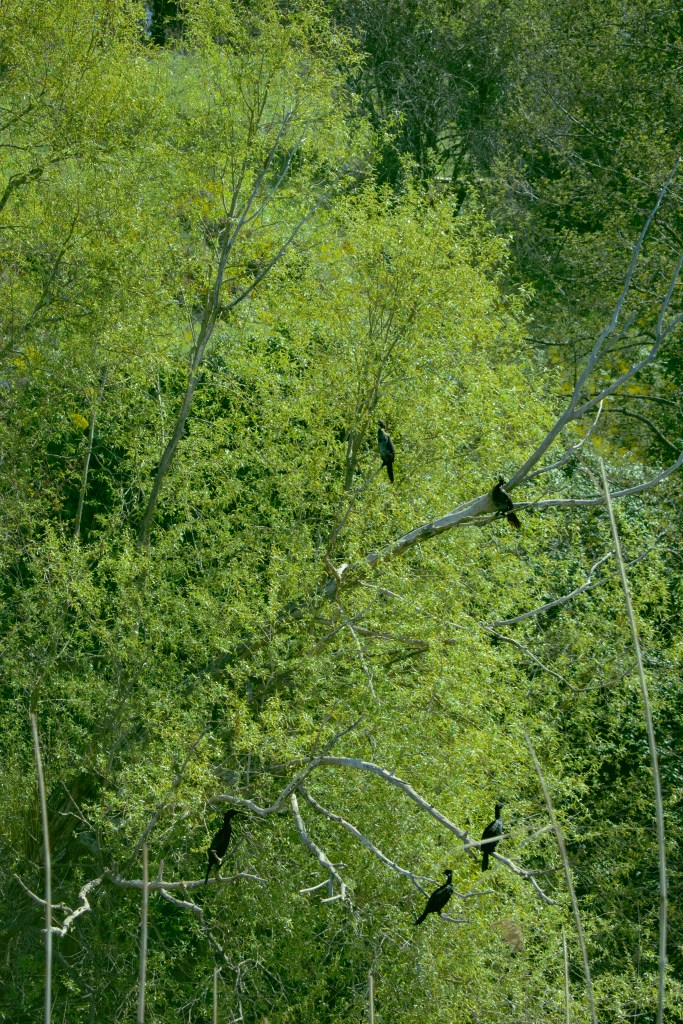
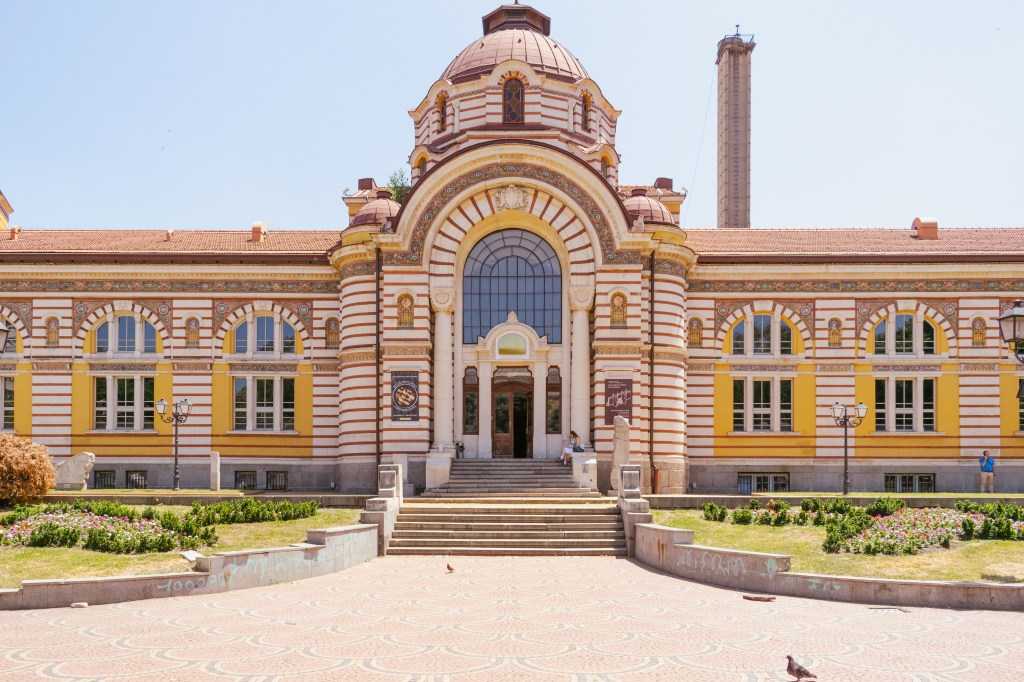
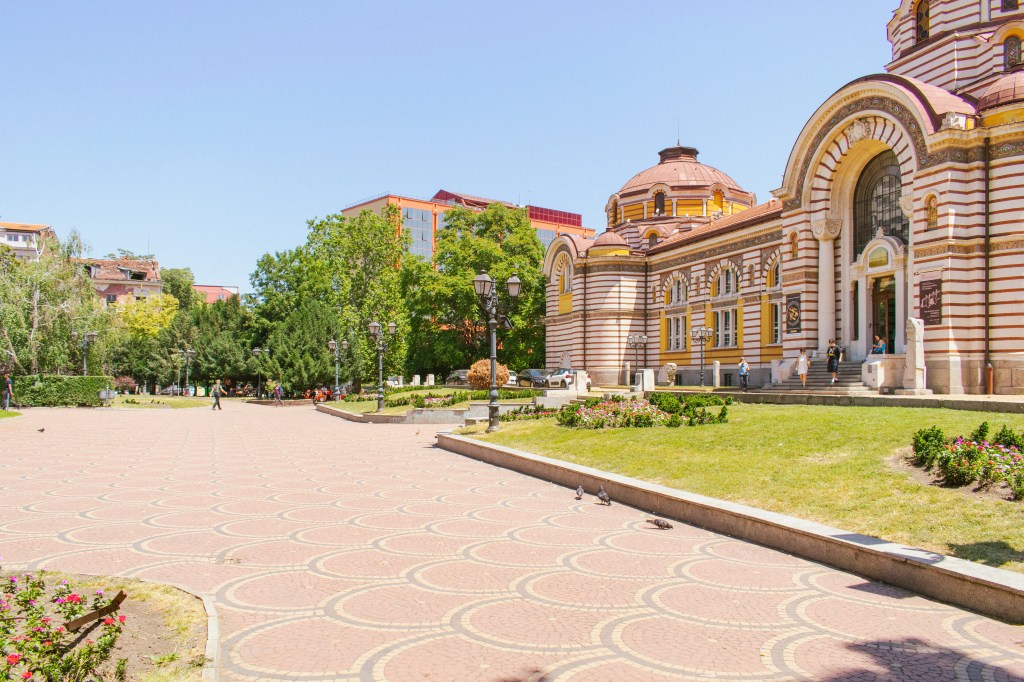
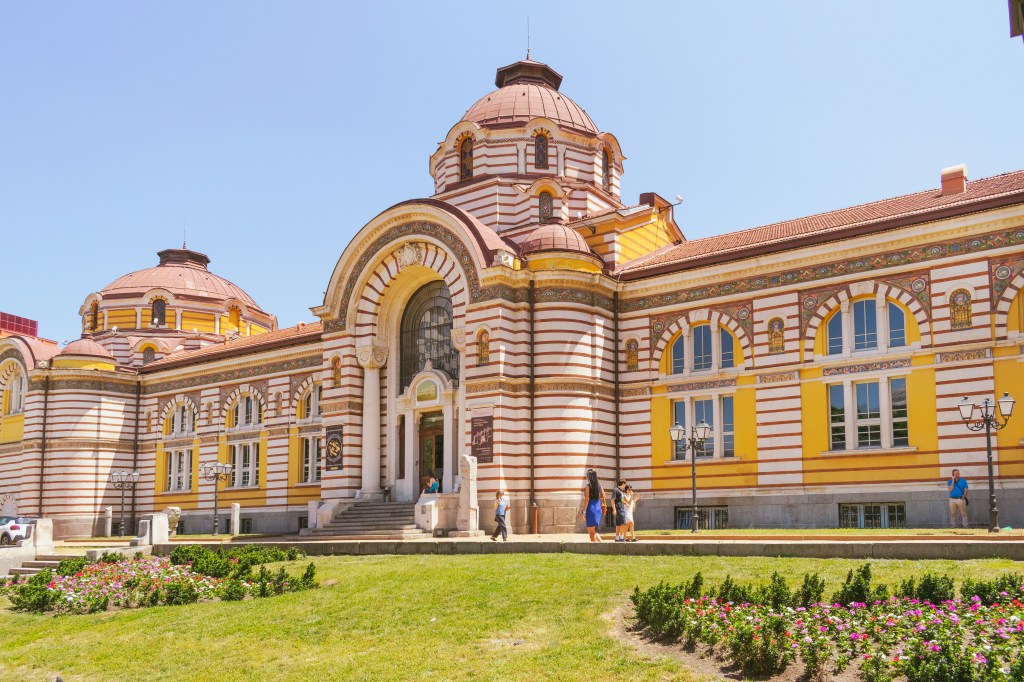
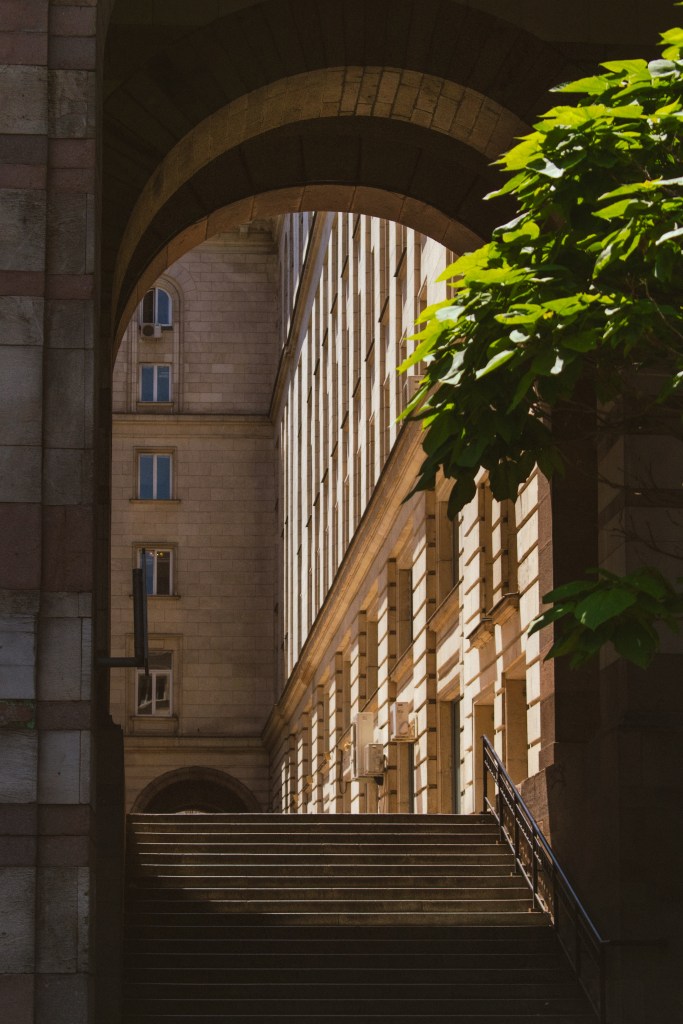
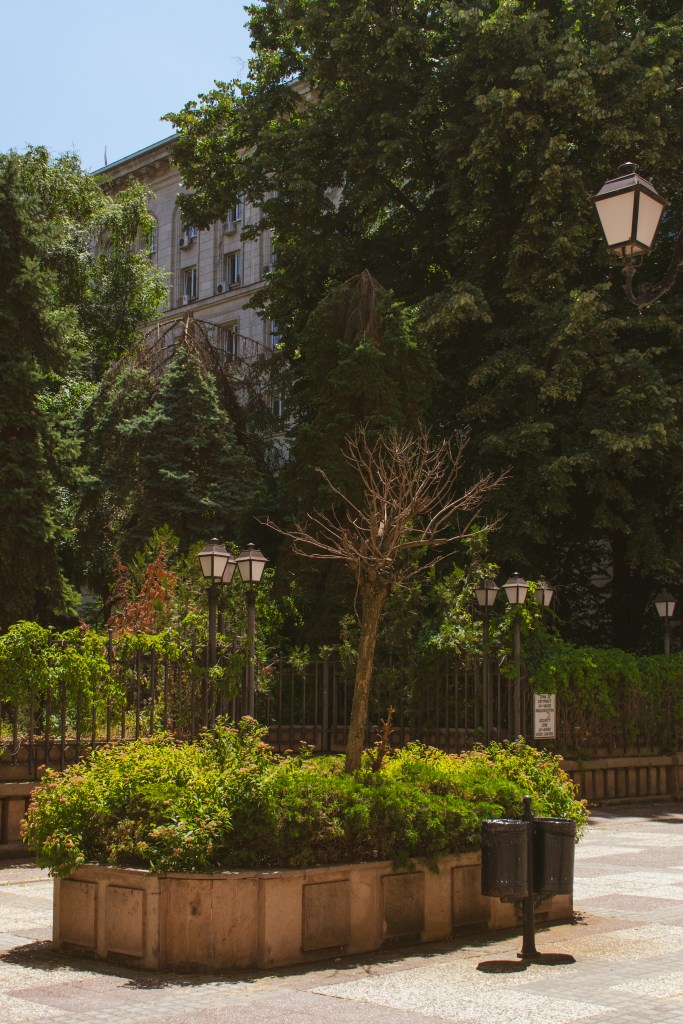
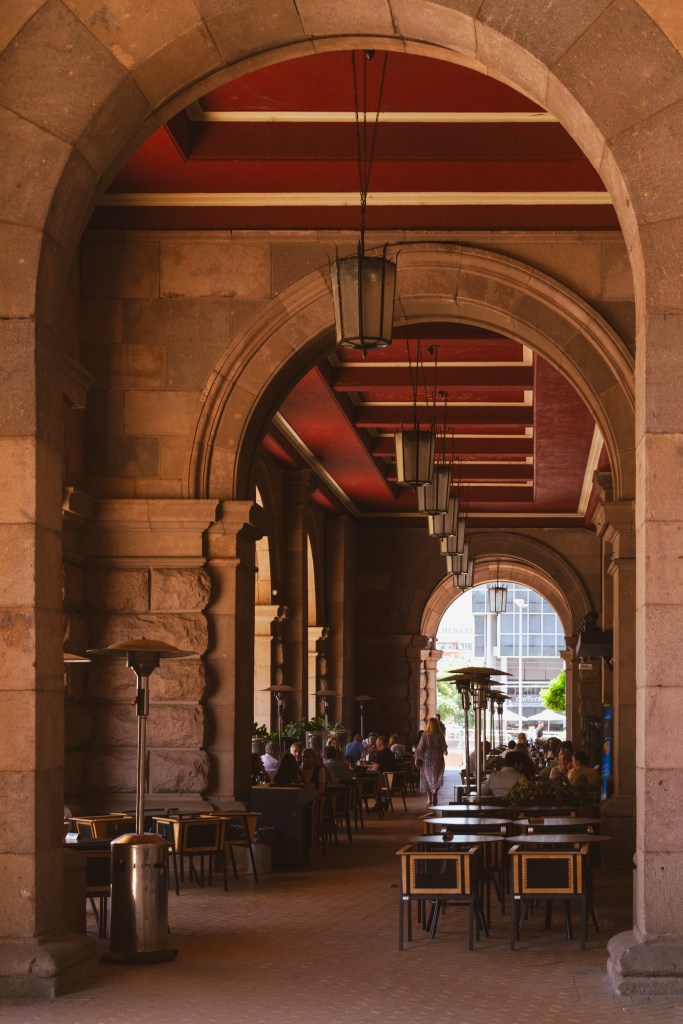
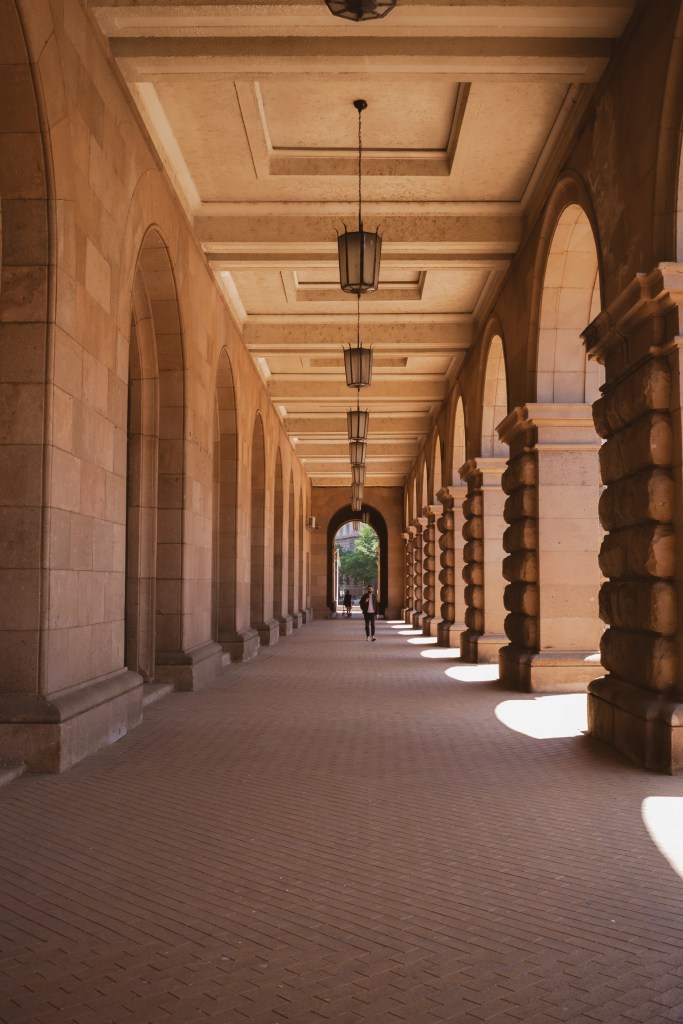
Sofia – A city in search of the wisdom buried beneath its vestiges
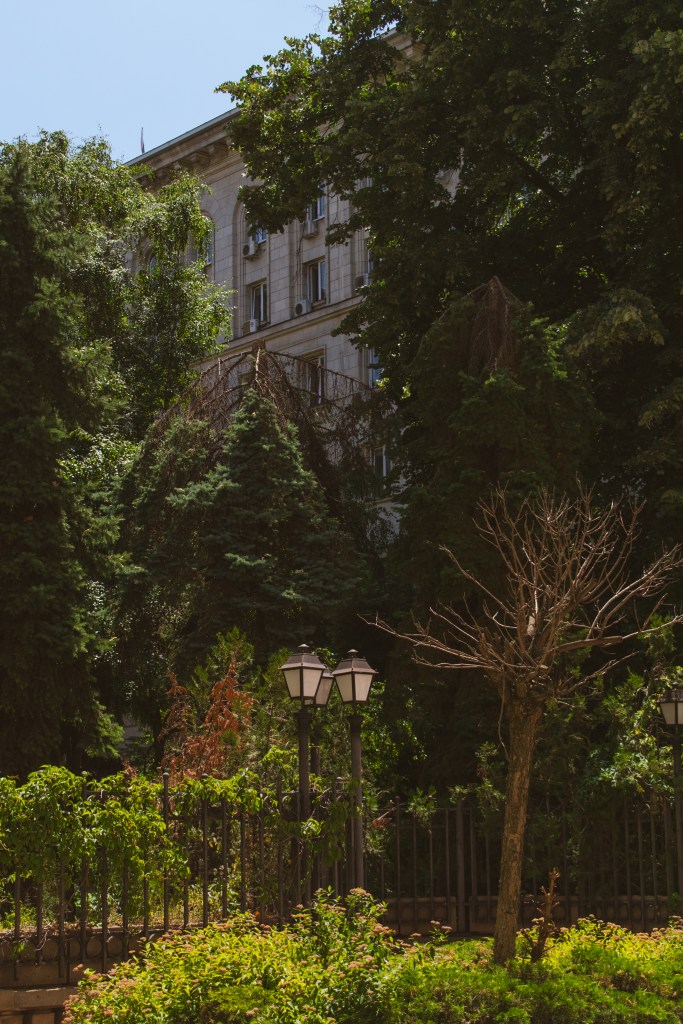
When I’m away from Geneva, I like to hide in the easygoing embrace of Sofia. I say easygoing because, unlike Geneva—once described as having “the sleepy tidiness of a man who combs his hair while still in his pyjamas”—Sofia is the half-awakened mess of that same man, hurrying through Borisova Gradina on a workday morning. Sofia is Geneva’s messy sister.
Yet, as contradictory as it may sound, when it comes to mornings, to gardens, to the synchronized rhythm of people quietly passing by, they trade their tranquility and trembling. Geneva is Martha, busy with hospitality, while Sofia is Mary, sitting at Jesus’s feet, searching for peace amid the noise.