

Last week, I caught myself feeling entangled in a web of constant noise, tasks and worry. To make things worse, I did the stressing over why I’m stressed, checking out every part of my being to see what was wrong with me.
I thought of all the unchecked emails, stats to hover over with the mouse, the unpolished marketing strategy, the unstarted article, the unedited photos, the uncooked lunch, the packing and the day that had just started to unravel. It was all about that annoying prefix—un.
Then the camera roll went into motion.
“Oh, God! I have to cook for the cats, too. How am I going to explain to people why I’m cooking for cats? Should I add broccoli, though? Peas, do we have frozen peas? Oh no, oh no, oh no! I forgot to answer an important message! Is my nephew overwhelmed at school? How am I going to make time for today’s workout?”
I sat and stopped. None of these were big problems or real threats that justified how I was feeling. Then it hit me: For the past three weeks, I hadn’t sat without thinking about the next task. I hadn’t spent enough time in silence. Wait, no. I hadn’t sat in silence, doing nothing. I hadn’t talked to God properly. I hadn’t read. I had barely written. I had done nothing that makes me happy, despite the reminder hanging on the wall in my home office, literally saying, “Do more of what makes you happy.” I had, once again, offered myself as a slave to hurry.
A flow of peace washed over me. “Nothing’s wrong,” I thought, “I was just too busy.” I reframed my thought and removed ‘just’ from it, leaving ‘I was too busy’ to turn into a reviving conclusion.
Until less than a year ago, these weeks used to be years. It was the norm for me. A lifestyle. A way of feeling alive only when I was overbooked, clothed in relapsing exhaustion.
Last year, however, I decided to slow down. Well, my whole organism did. Oh, how much I hated slowing down! Eventually, I came to terms with God and listened to His voice repeating “Be still” to me. It must’ve been fun for the Creator to tame a sheep like me. He would’ve had it easier with a raging Floridian alligator or a jumping marsupial. At least He would’ve known what He’s dealing with. Not that I’m not His creation, but I was seasoned and packed with the world’s frenzy.
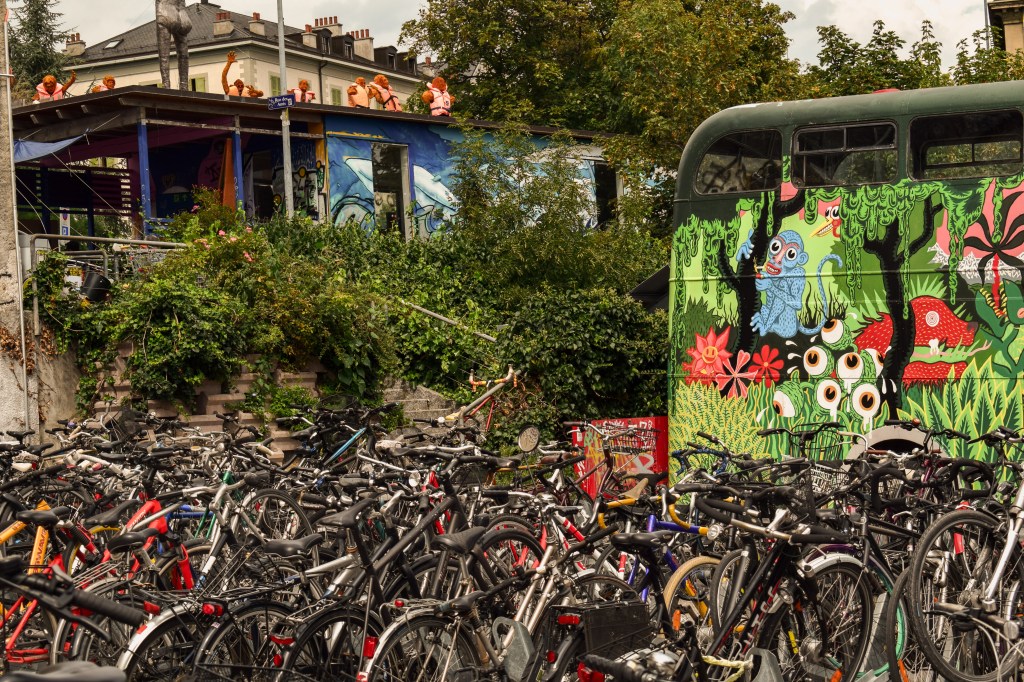
In this exhausting process of resting (howdy to all my hyperactive buddies) and wrestling, I found focus in two books: Tolstoy’s “War and Peace” and “The Ruthless Elimination of Hurry” by John Mark Comer. One served me to stop bingeing on books and read with utter attention; to learn about the cruelties of war and the loneliness of aristocracy’s children. The second, to see that burnout has no ethnicity, and that, like Tolstoy’s war characters, we too have lost the way, fighting in a war without being asked if we wanted to be part of it—the war of constant hurry.
On page 52, Comer writes: “As my grandma used to say, ‘Just because everybody’s doing it, don’t make it smart.’ And as I said before: hurry is a threat not only to our emotional health but to our spiritual lives as well. Thomas Merton once called ‘the rush and pressure of modern life’ a ‘pervasive form of contemporary violence.’ Violence is the perfect word.”
I know you probably didn’t open this text to read about etymology, but please, bear with me.
We usually relate the word violence to physical hurt or aggression. If we dig deeper, the word’s origin has Latin roots, from the noun vis, meaning force. Vis comes from the Proto-Italic wīs, and earlier, from the Proto-Indo-European *wéyh or weyh, which means to suppress or persecute.
I went down the rabbit hole and researched the meaning of violence, as I wanted to feel what Comer was writing about when he quoted Merton. After an hour of digging deep through digital dictionaries, I stumbled upon the term slow violence. I’m sure I’ve heard of or read about it somewhere through my political studies, but have never had the time to study it—because diplomatic protocols of the EU were an urgent matter. *coughs in Belgian croissant crumbs from the EP conference room*
Rob Nixon, a South African author and professor in Humanities and environmental studies, coined the term to describe the “violence that occurs gradually and out of sight, a violence of delayed destruction that is dispersed across time and space, an attritional* violence that is typically not viewed as violence at all.”
In other words, it’s a form of violence that accumulates through constant, cumulative pressure rather than sudden, dramatic events.
And then I saw it: it’s the state we’re living in. Whether we look in the context of modern work culture or modern living in general, we’re constantly and gradually exposed to slow violence. Hurry, stress, overworking, tight schedules, deadline pressure, multitasking, work ultimatums, expectations, fearmongering, lack of sleep, lack of time… add whatever you think I’ve missed on the list.
So, how do you respond to violence that affects your whole being? If you go by the book, you would certainly have to go to protests, yell in front of the government, become a whistleblower, go to a mediocre standup show and convince your nervous system that “this one will be hilarious”, or do the most revolutionary act—write on LinkedIn that “burn out is the new pandemic.”
In all seriousness, what if the most revolutionary thing you can do is to slow down? Slow down.
Stop hurrying when you’re driving, walking, eating, scrolling, talking, typing, thinking, shopping. When you look through the lens of your life, try to see the last long take. There probably aren’t many. Everything is in motion, fast forward and blurry.
So, slow down.
Because do you know what the opposite of it does to us? It kills us. Slowly, but continuously. First it kills us through repetitiveness and habit. Then through losing sense of time. You lose the sense of five or ten years. It turns into the scary question of “Where did time go?” Which also kills you in ways you wouldn’t even think of; it kills you through timidity, indifference, spiritual mediocrity, self-doubt, distrust, asociality, isolation and ultimately, apathy.
We got so used to living fast that I believe slowing down scares us. It makes us feel like we’re always late for something. And it’s not really the comparison to other people that makes us run the race to nowhere, as many like to say. It’s fear, more often than you think. Fear that you won’t make it. Fear that you’re not doing enough. Fear that you haven’t accomplished enough or the scariest thought of them all: “What if I haven’t figured out who I am supposed to be?”
Do you think you’ll figure this out if you’re always busy? Do you think you can meditate on your life’s meaning, God’s promise for your wellbeing or your next move if you’re busy with twenty seven tasks? I doubt it, but try it tomorrow if you have nothing else to do. Oh wait, you have tons of (unimportant) things to do, right?
We’re stuck in this circle of rushing and slowing down, always caught between the pressure to do more and the struggle to find stillness. We have to be intentional about the latter.
Just two months ago, I realized how easily I could slip back into the rush.
Just when I thought I had mastered the art of slowing down, I was caught off guard by my friend’s genuine question: “So, what exactly do you want to do with your website?” to which I answered like a herald, opening an imaginary parchment filled with ideas. Without hesitation, he said: “I wouldn’t do it that way. I don’t think that’s a good idea, I think you should choose two or three things and stick to that.”
“But I can do so much more,” I cried out with passion.
“Oh, I know you can,” he assuringly responded with an approving voice, “but, what do you really want to do?”
“Write,” I exhaled the truth.
“Then write,” he said, not knowing that I’ll owe both my happiness and misery to his convincing support for the rest of my life.
So, I packed my ego and sent it off to Neverland, came back to my apartment and started writing. After two hours of staring at a blank page, going through notes, cleaning, shopping for groceries, and making a salad, I accepted my destiny and started writing. This time, for real.
My friend’s question forced me to slow down again. Now, whenever I feel stressed or anxious about the tasks pulling down on my mind’s nerves, I stop and replay the conversation.
“What do you really want to do today, Ana?” I ask myself and end up with three to four priorities. After I finish with those, I realize I have time to rest as well, and do a few more tasks.
After so many years of rushing (I still haven’t found out where), I learned: the secret to diligently accomplishing things that matter is slowing down. Only then can I notice what matters. Only then will I see there is life around me.
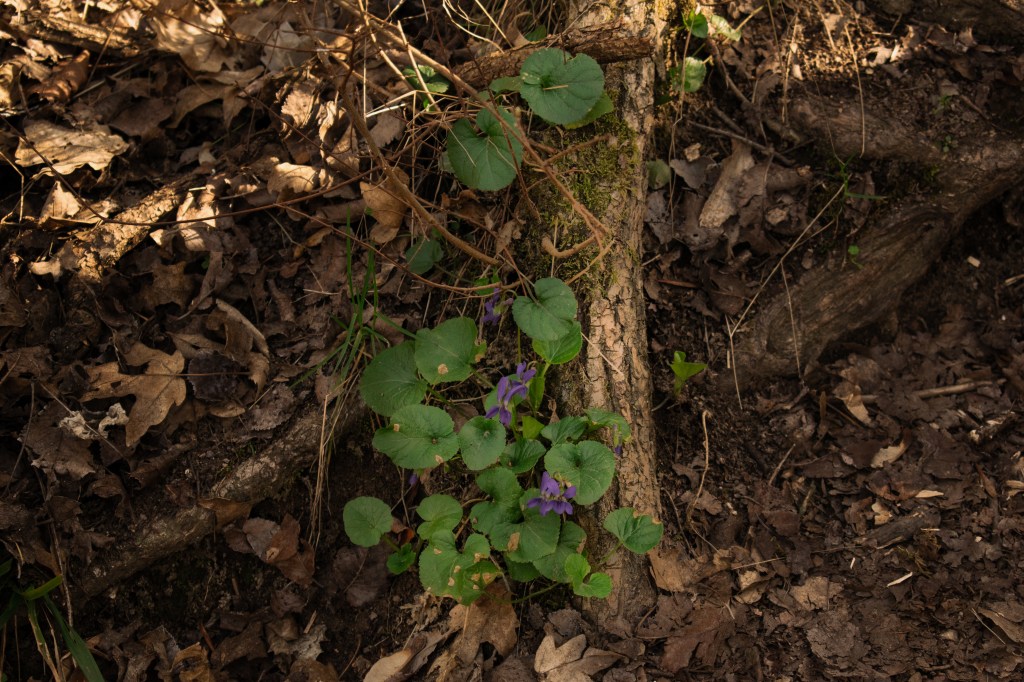
The funny thing is, the answer had been right under my nose all these years: the only time I would turn off my hyperactivity is when I wrote and did photography. After all, the message on the wall was as true as it is cliché: Do more of what makes you happy. Only then will you understand that slowing down is not as scary as the modern world has taught us.
And in that stillness, I found clarity, purpose, and peace—things I would’ve never gotten to if I didn’t listen to God’s “Be still.”
So, what do you really want to do?
Song of the day: Slow Down – Morcheeba
Thought of the day: Read the Blog intro
Book recommendation: The Ruthless Elimination of Hurry – John Mark Comer
Word of the day: Attritional (adjective), from attrition (verb) – The process of reducing something’s strength or effectiveness through sustained attack or pressure.

 ZEBRAS AND MAGPIES
Leave a reply to In the Palm of Your Hand – Zebras and Magpies Cancel reply