

“Take for instance a man driven to incessant work by a sense of deep insecurity and loneliness; or another one driven by ambition, or greed for money. In all these cases the person is the slave of a passion, and his activity is in reality a “passivity” because he is driven; he is the sufferer, not the “actor.” On the other hand a man sitting quiet and contemplating, with no purpose or aim except that of experiencing himself and his oneness with the world, is considered to be “passive”, because he is not “doing” anything. In reality, this attitude of concentrated meditation is the highest activity there is, an activity of the soul, which is possible only under the condition of inner freedom and independence.”
― Erich Fromm, The Art of Loving
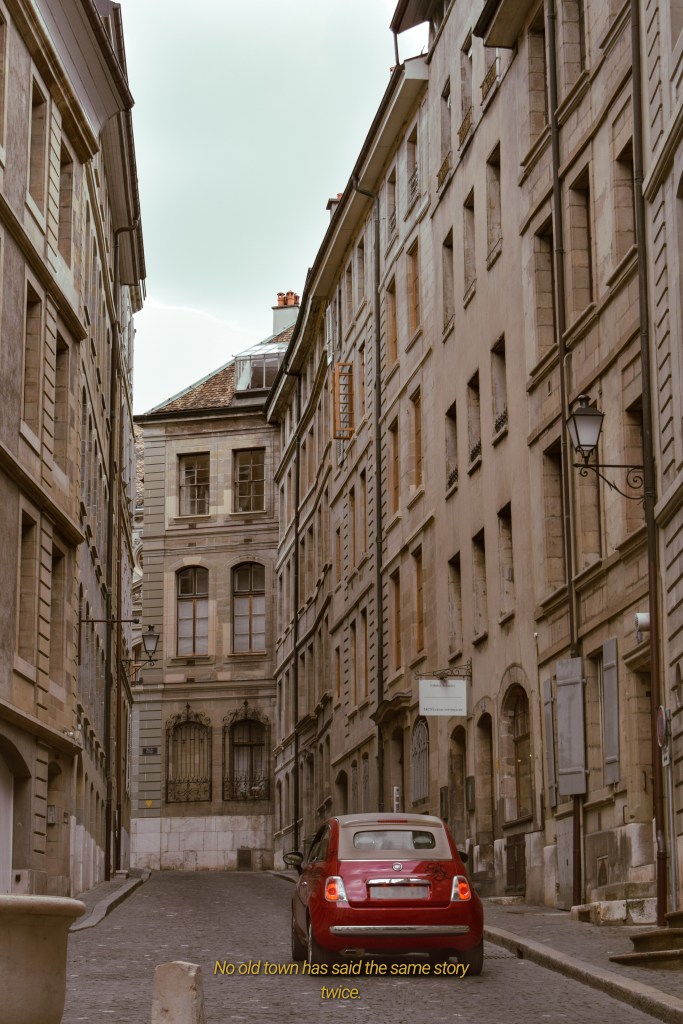
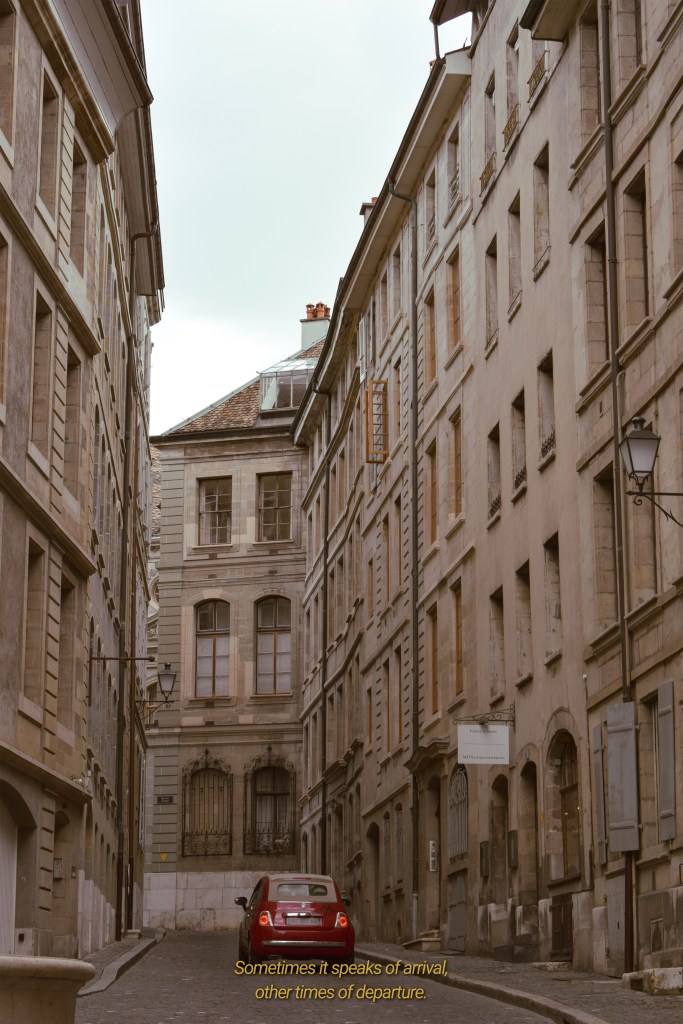
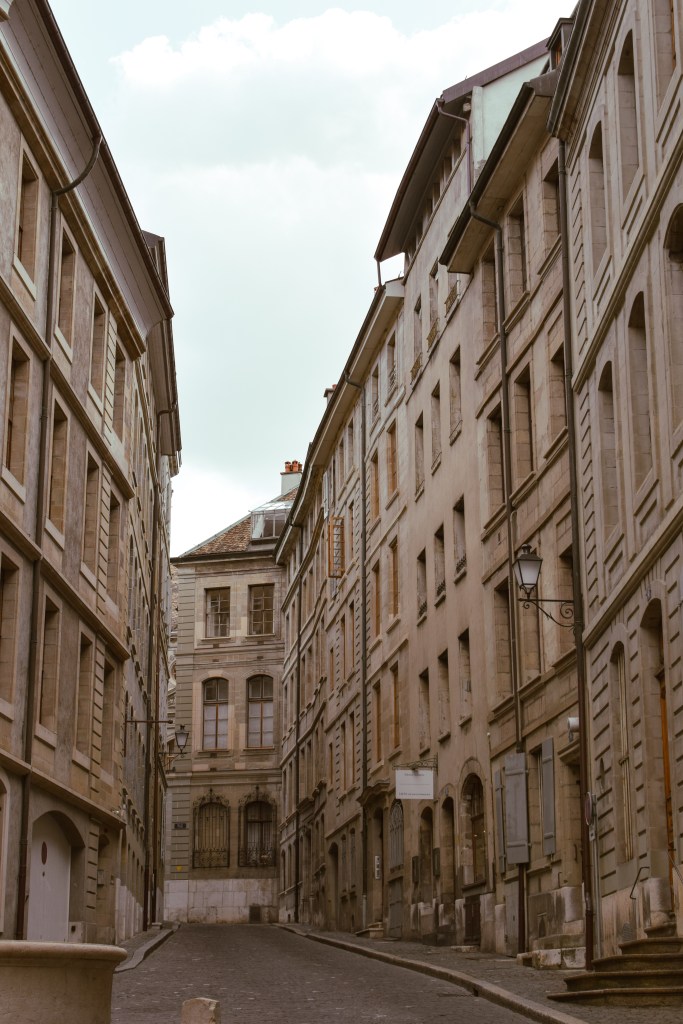
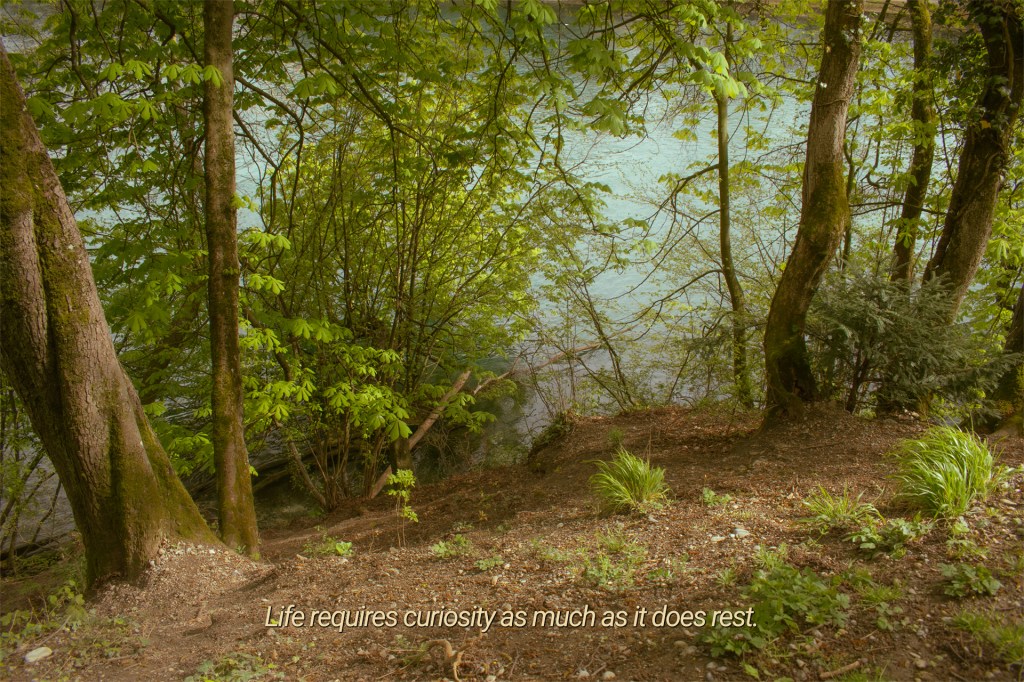
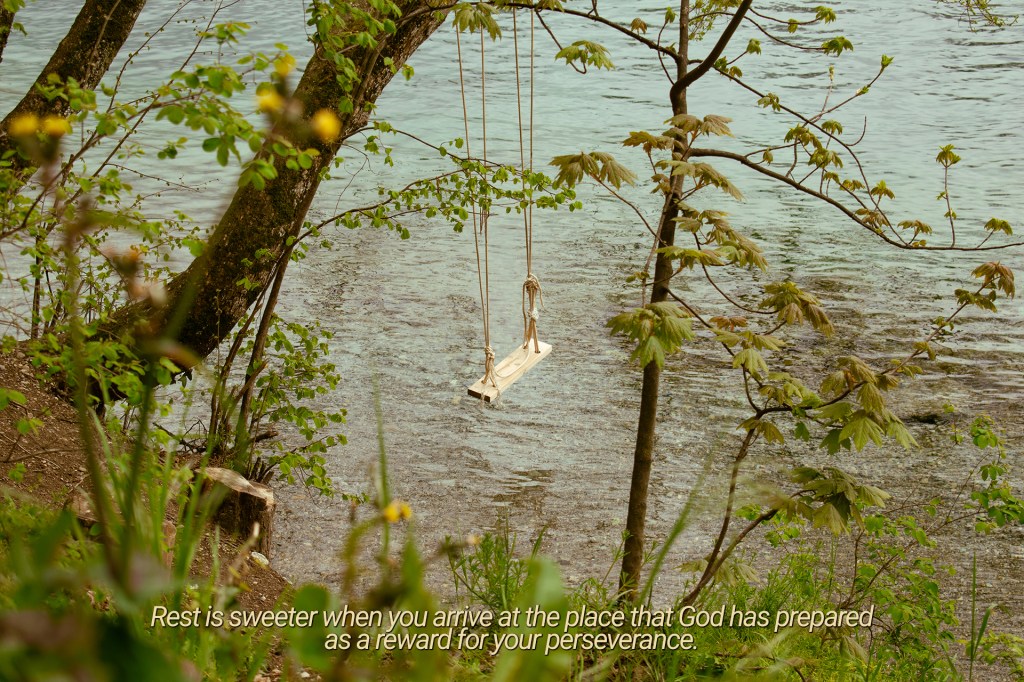
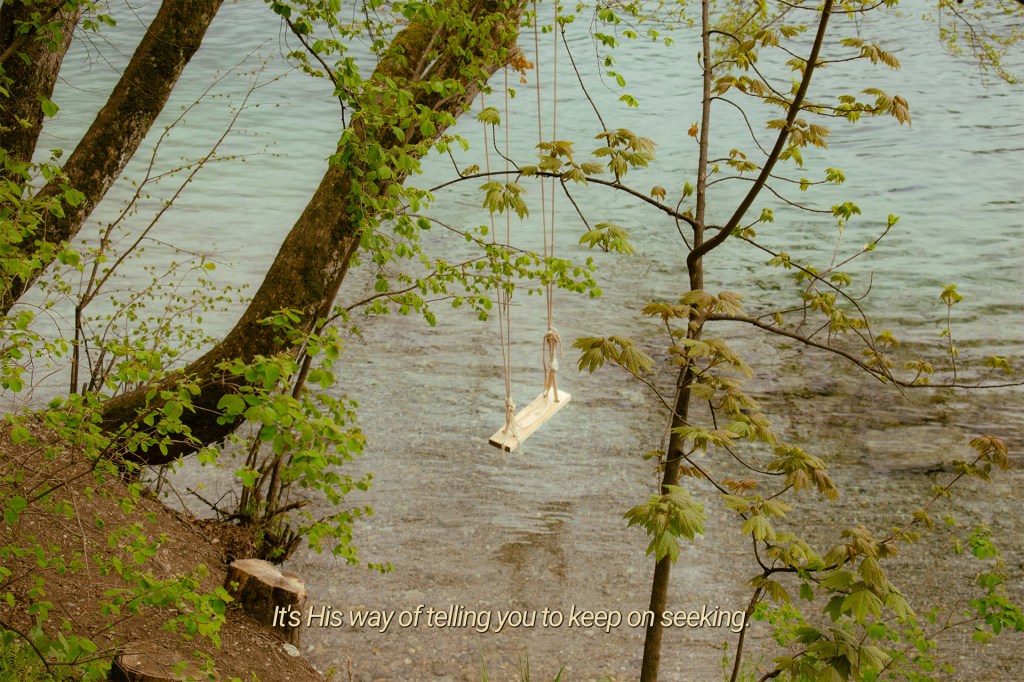
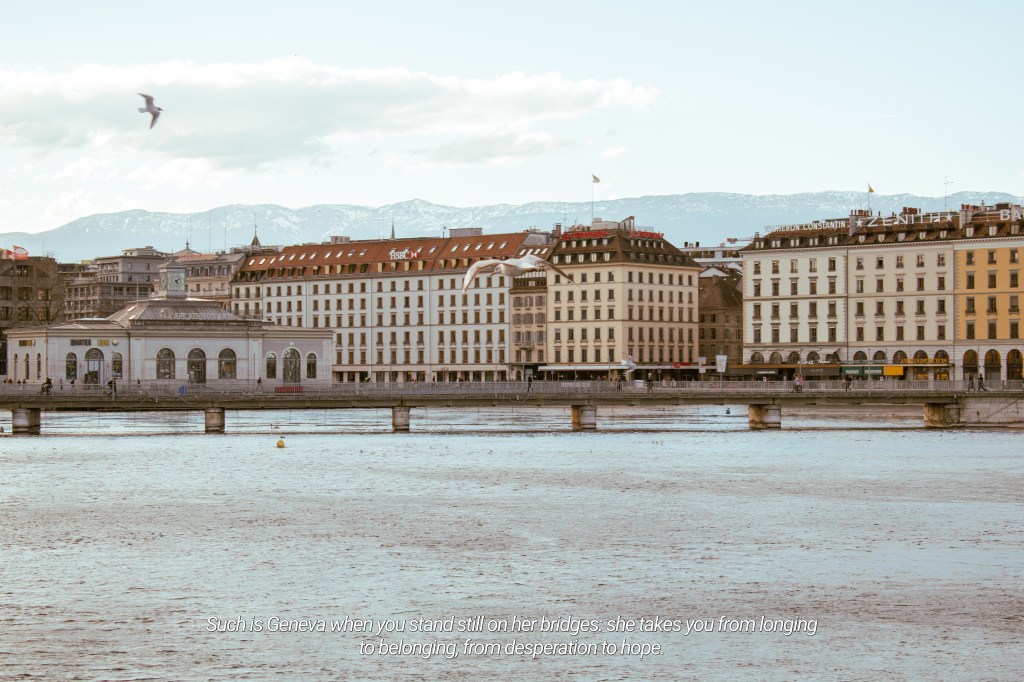
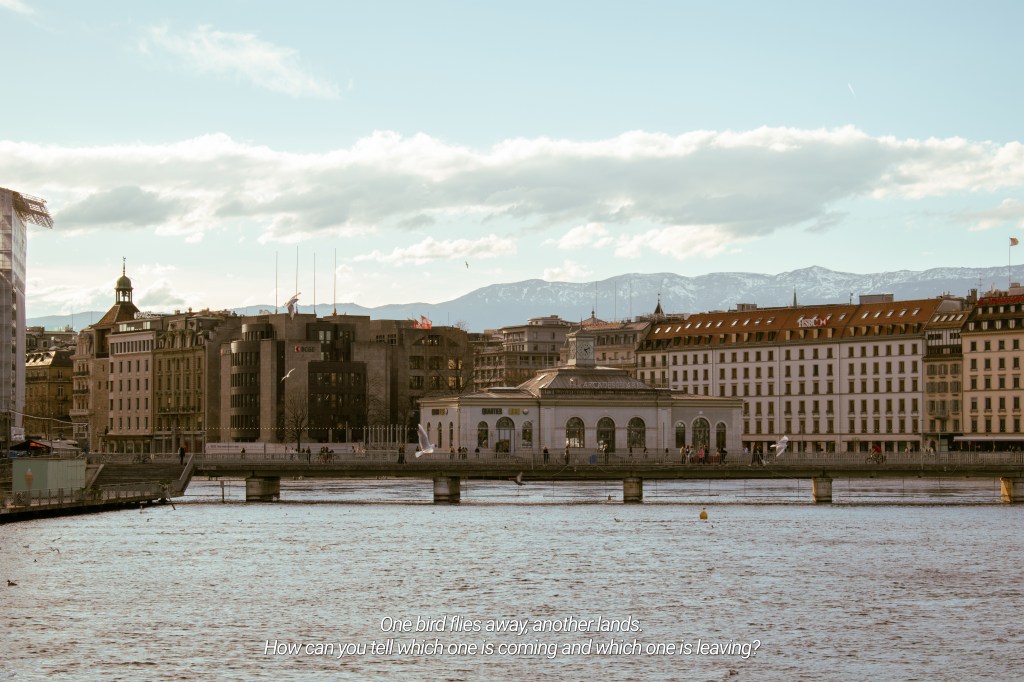
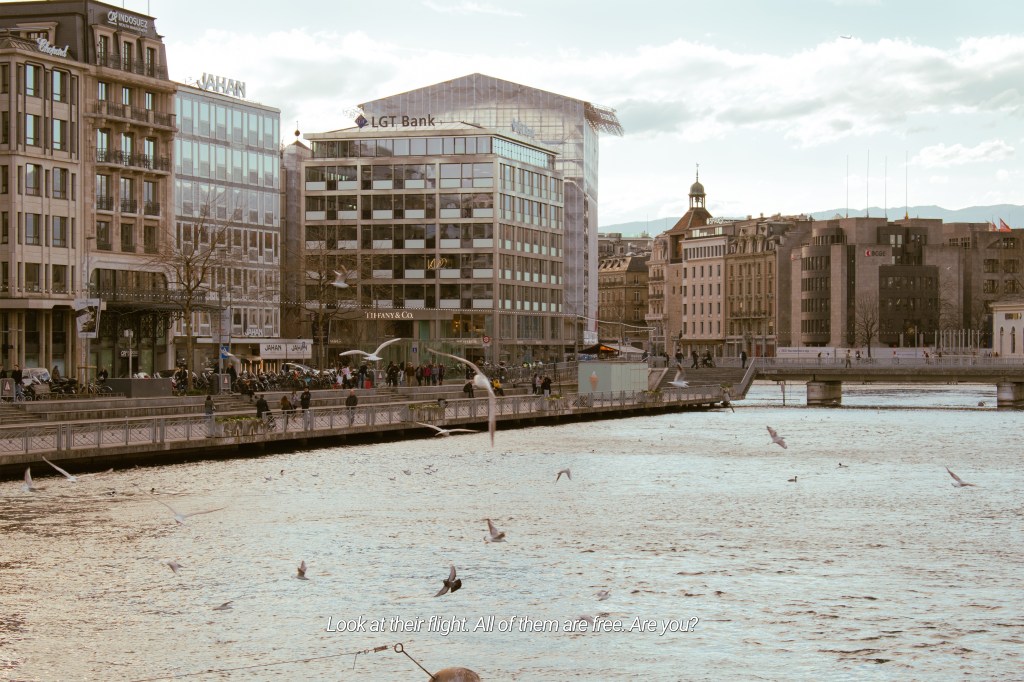
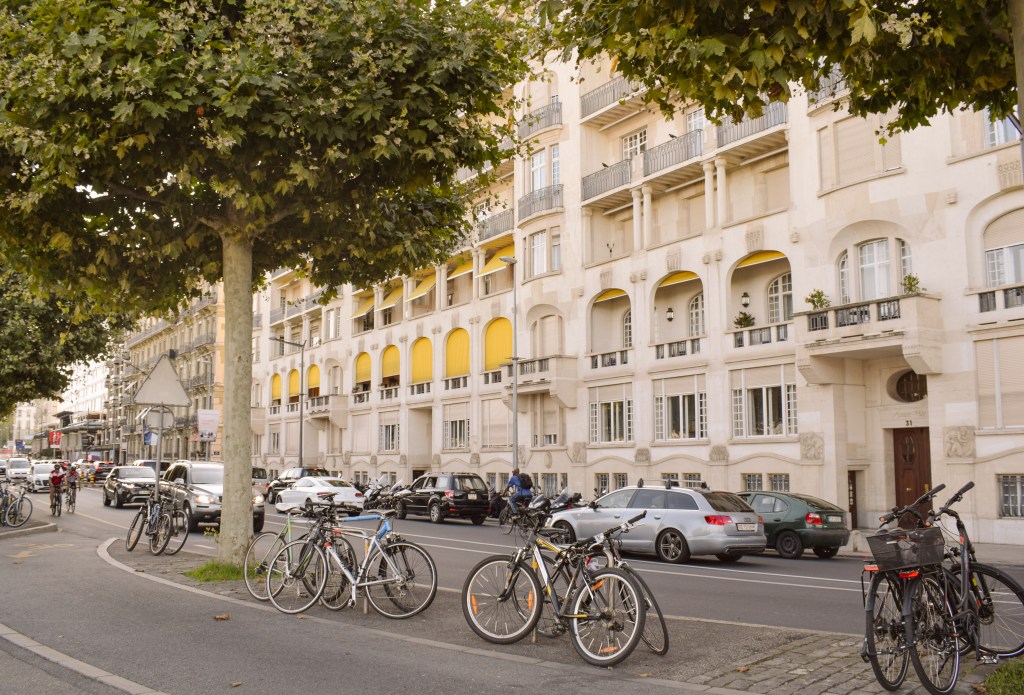
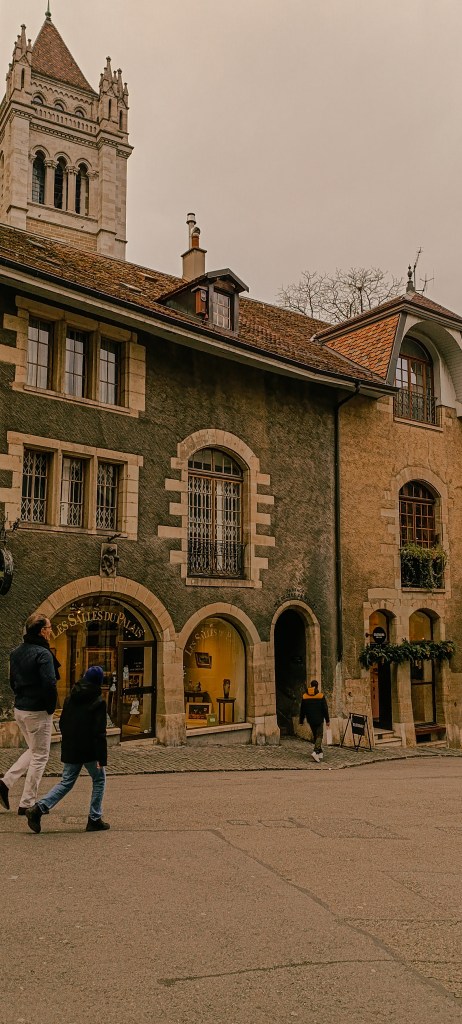
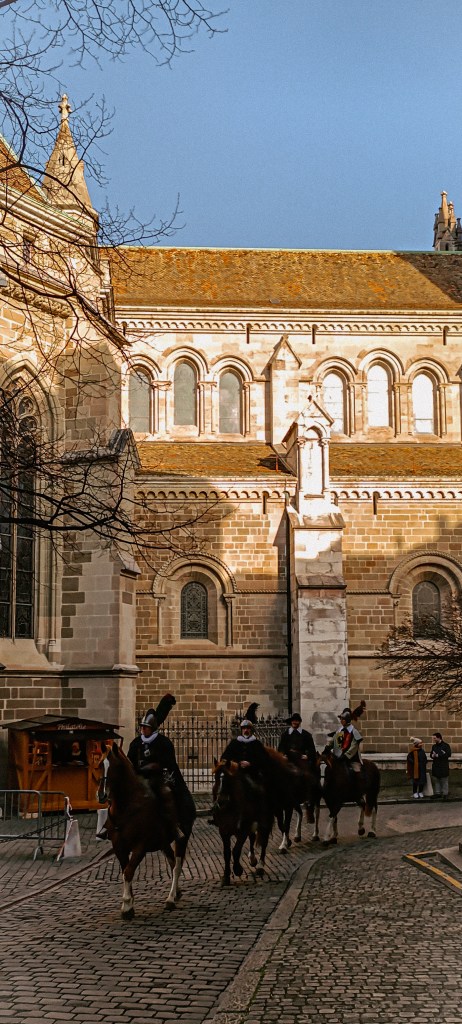
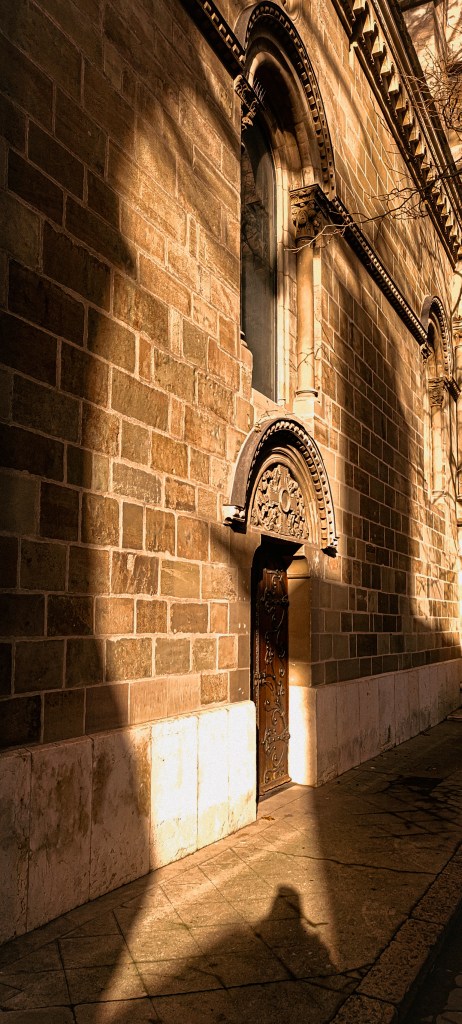
Genève, mon amour!
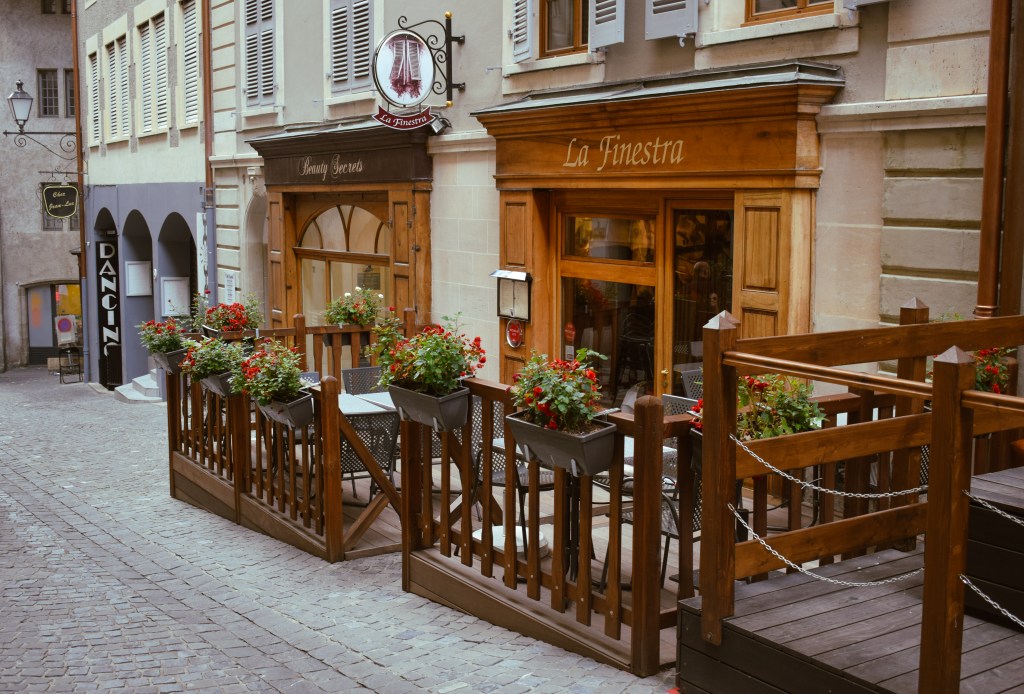
“Fear overcame me; I dared no advance, dreading a thousand nameless evils that made me tremble, although I was unable to define them. I remained two days at Lausanne, in this painful state of mind. I contemplated the lake: the waters were placid; all around was calm; and the snowy mountains, ‘the palaces of nature,’ were not changed. By degrees the calm and heavenly scene restored me, and I continued my journey towards Geneva.
The road ran by the side of the lake, which became narrower as I approached my native town. I discovered more distinctly the black sides of Jura, and the bright summit of Mont Blanc. I wept like a child. ‘Dear mountains! my own beautiful lake! how do you welcome your wanderer?’”
— Frankenstein by Mary Shelley, Chapter 23
Feral Roots
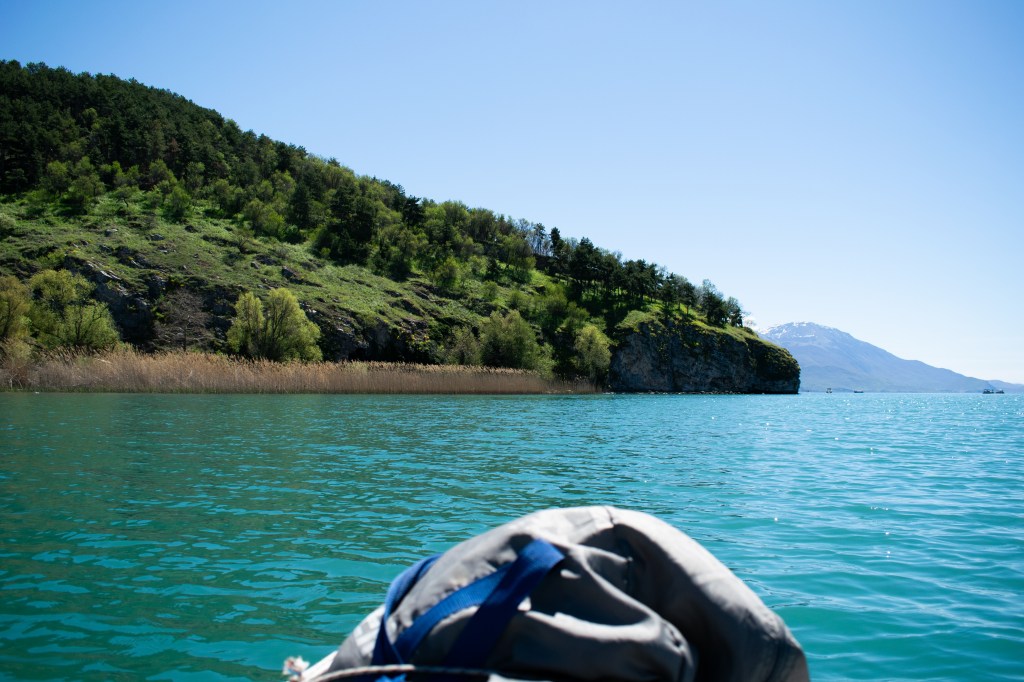
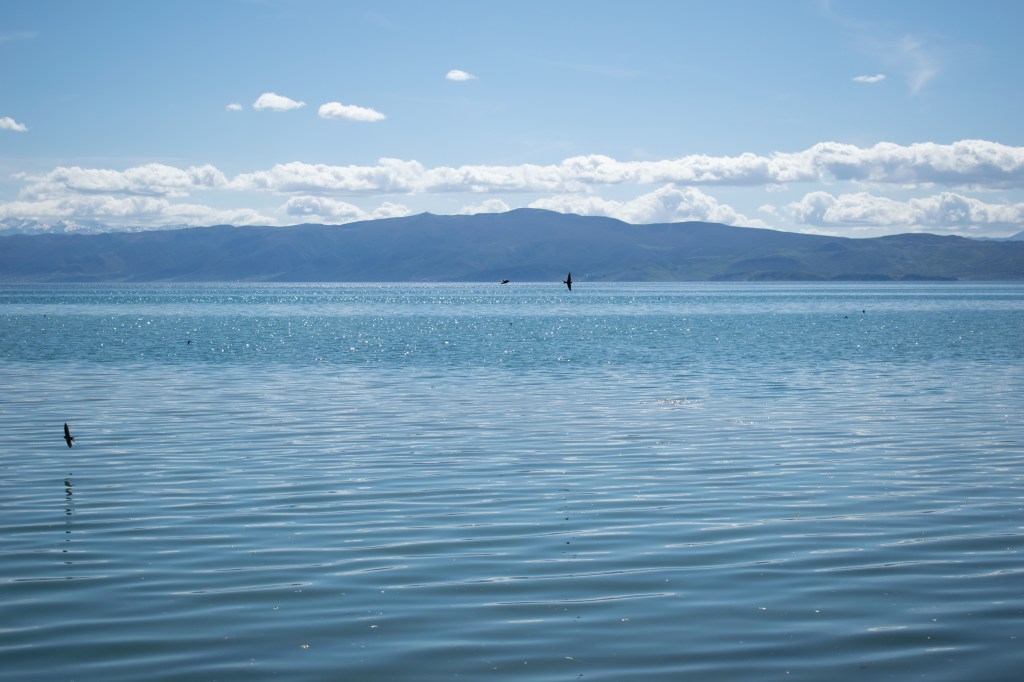
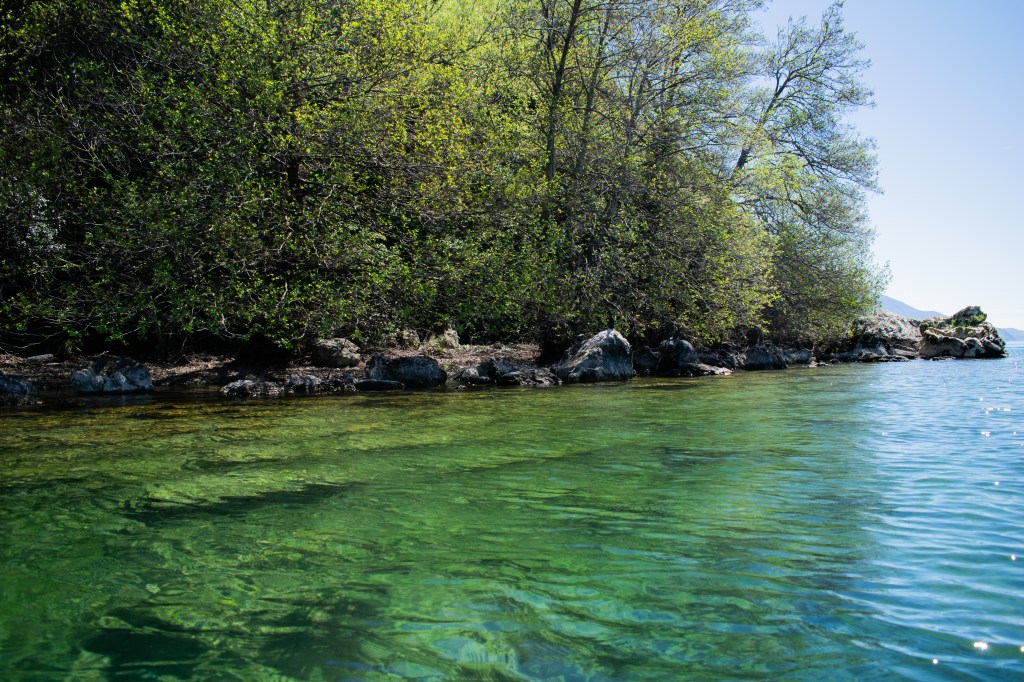
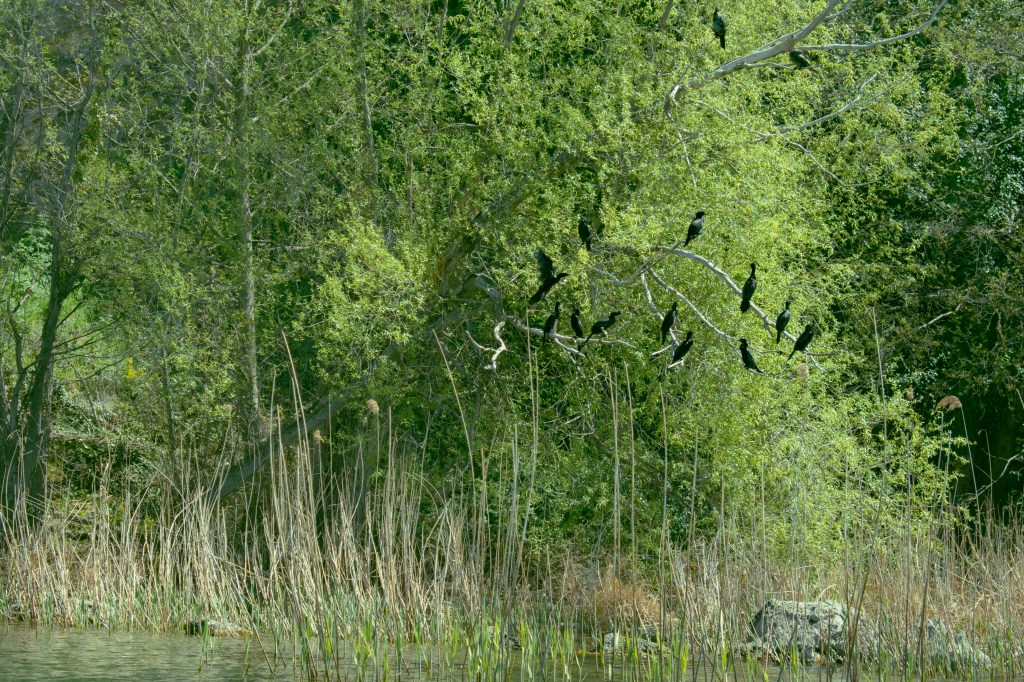
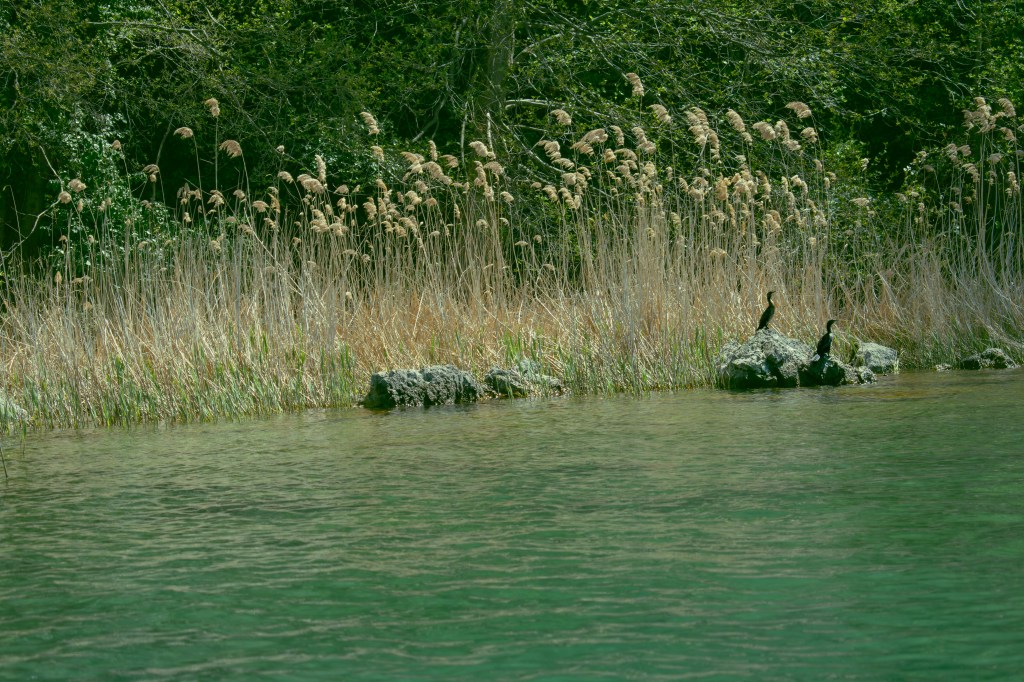
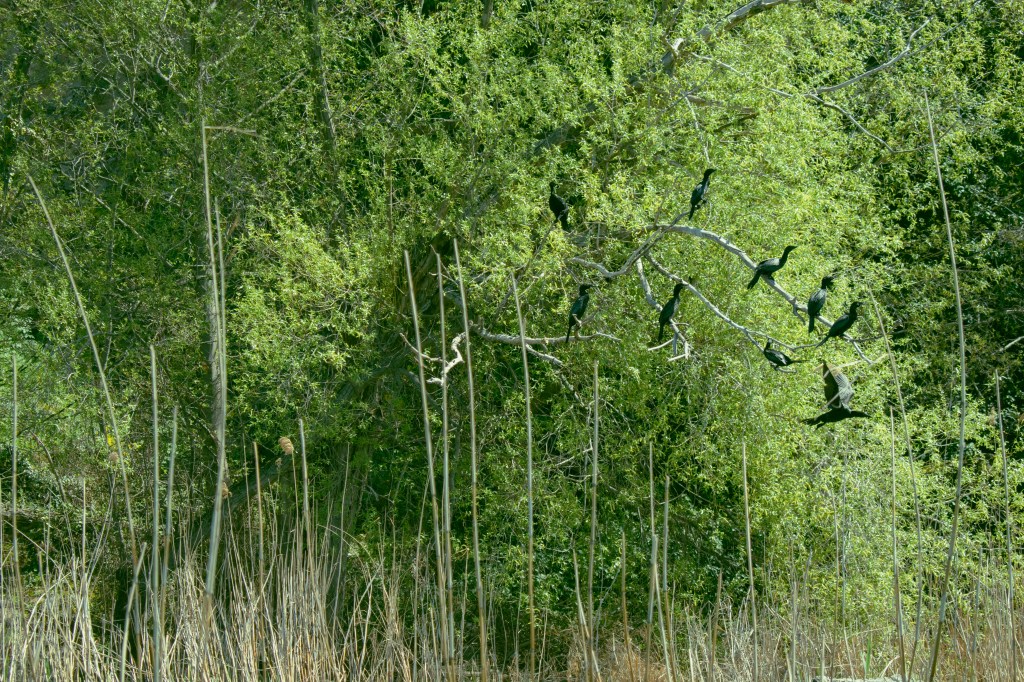
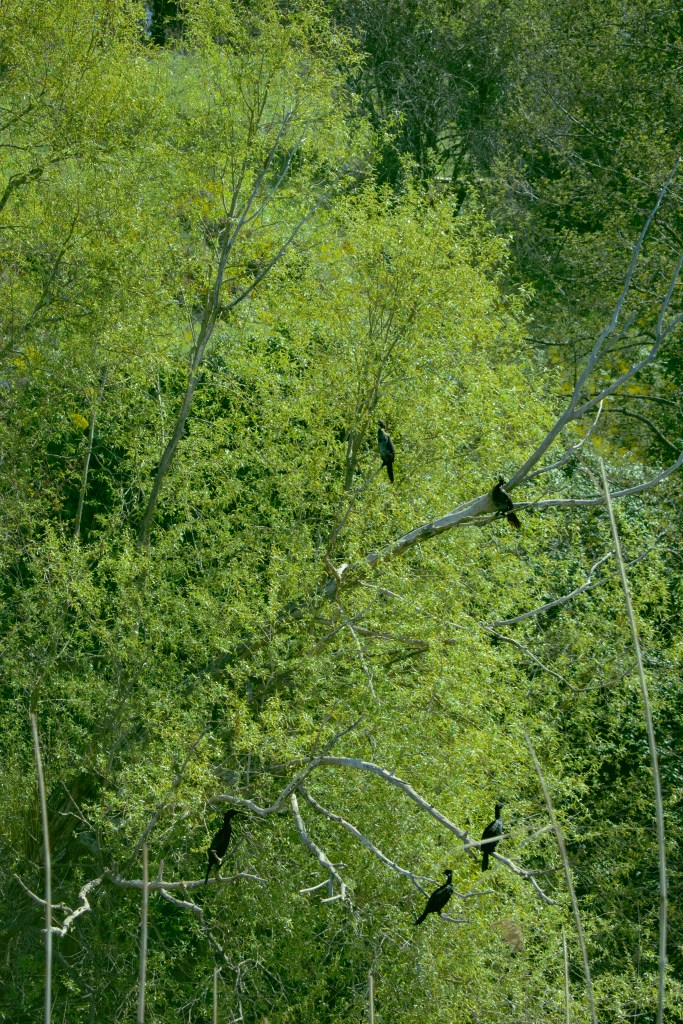
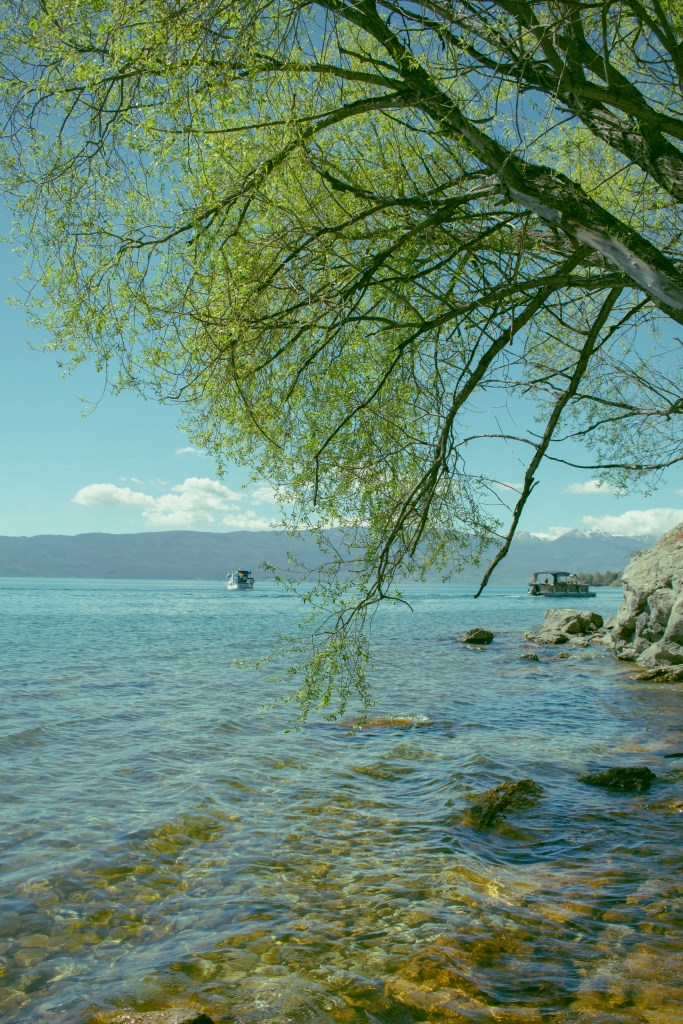
Ohrid — a place that, no matter how much people exhaust it — with their irresponsibility, gluttony, pollution, and noise — always brings new life, new freshness, new hope.
Because God created it in His likeness, as if it were His own island — a place where He can rest from the corruption of the small country where He placed Ohrid to be what it is: a miracle and a promise.
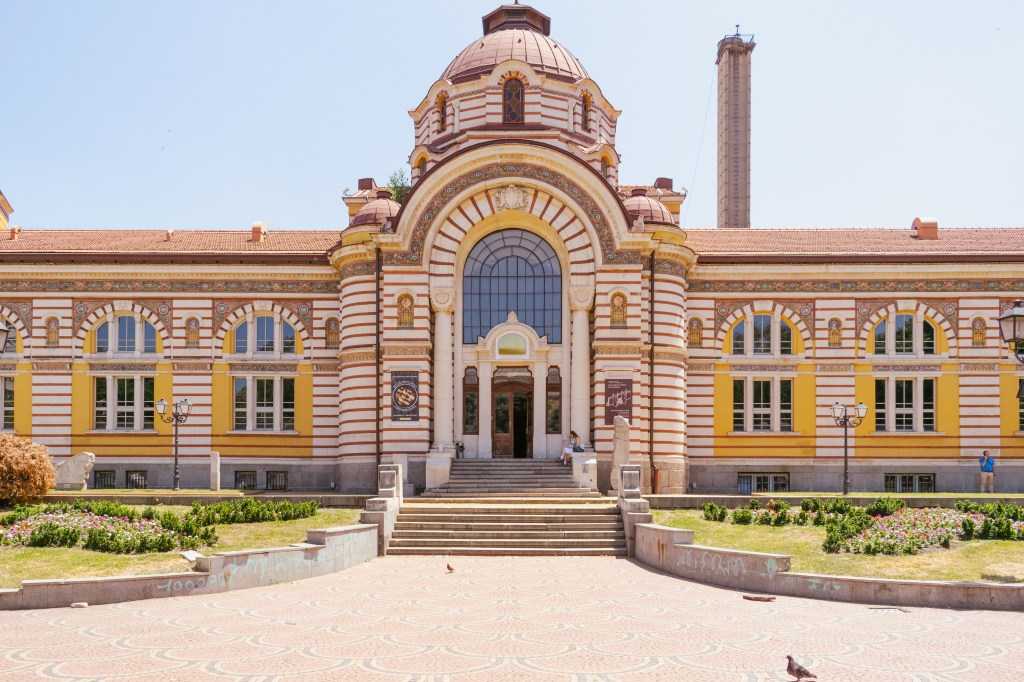
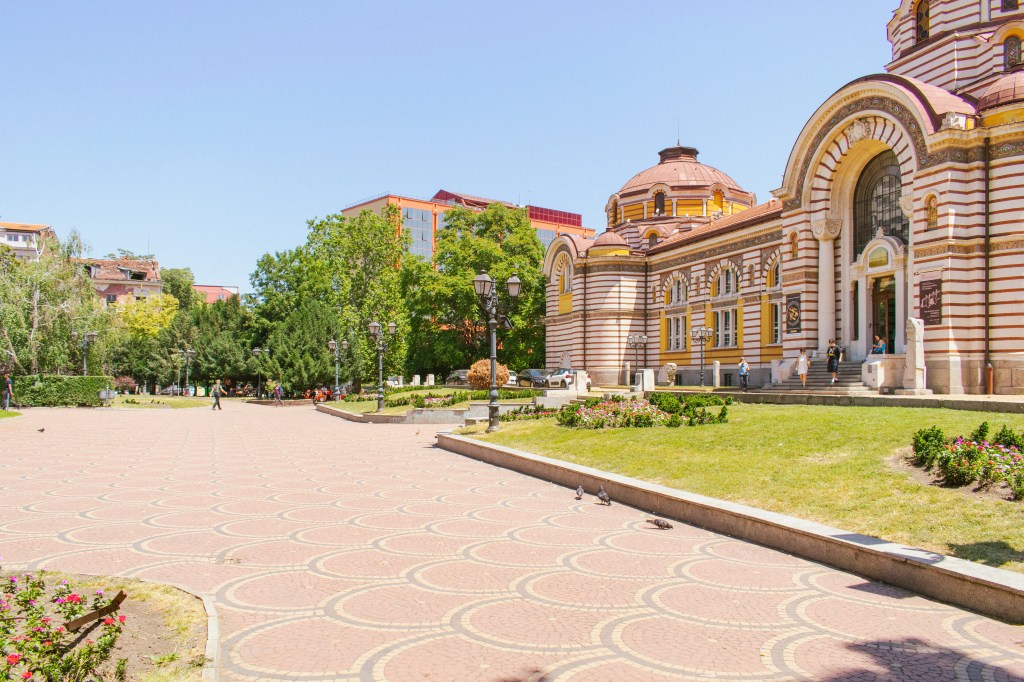
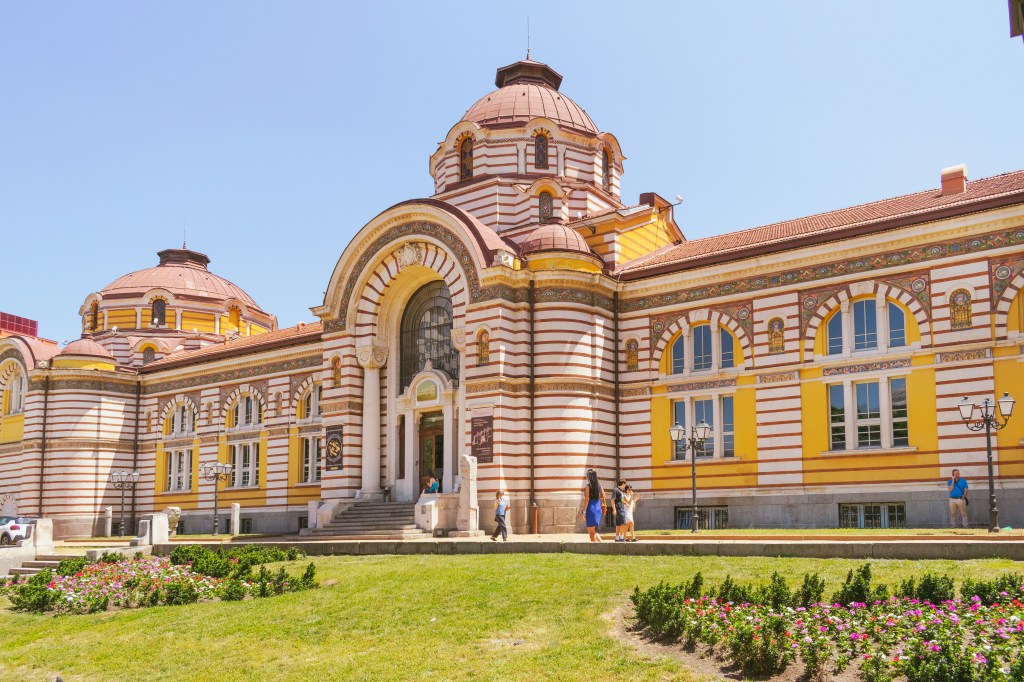
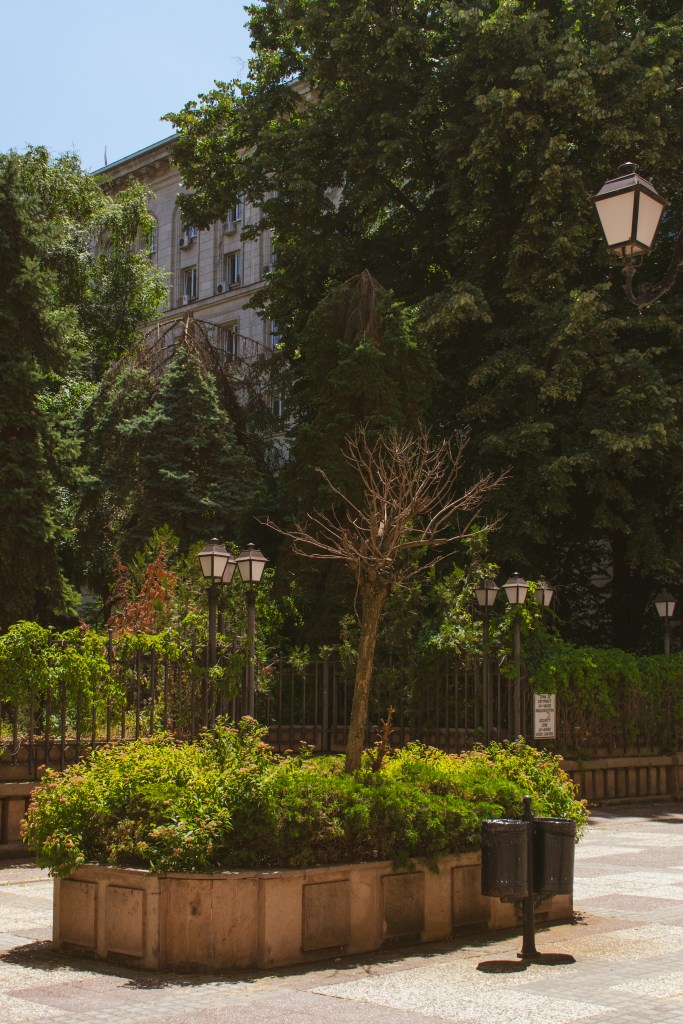
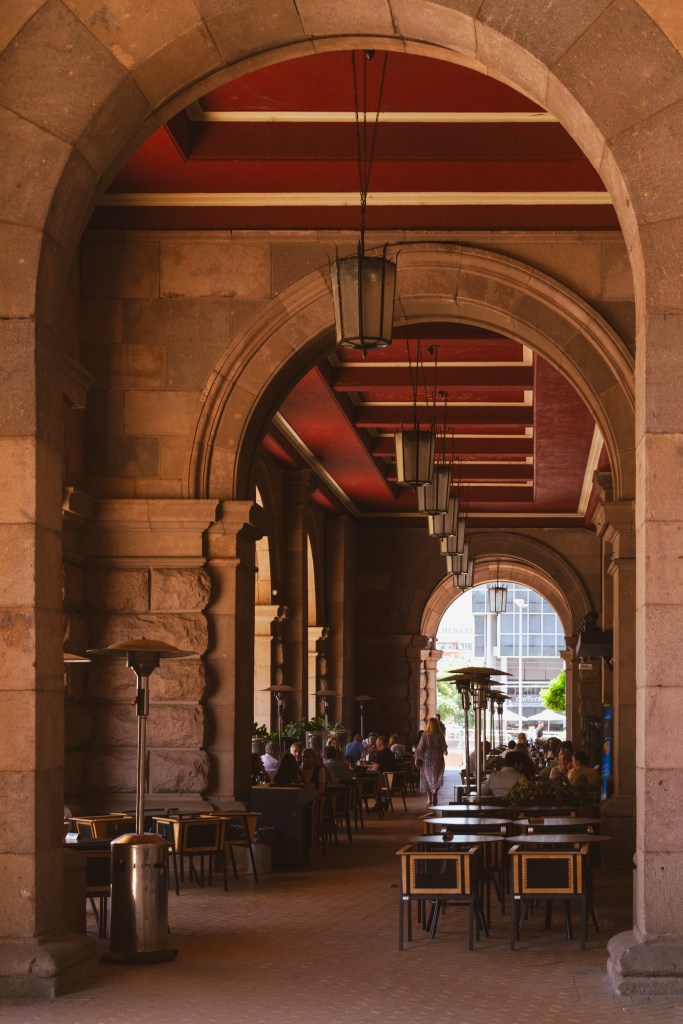
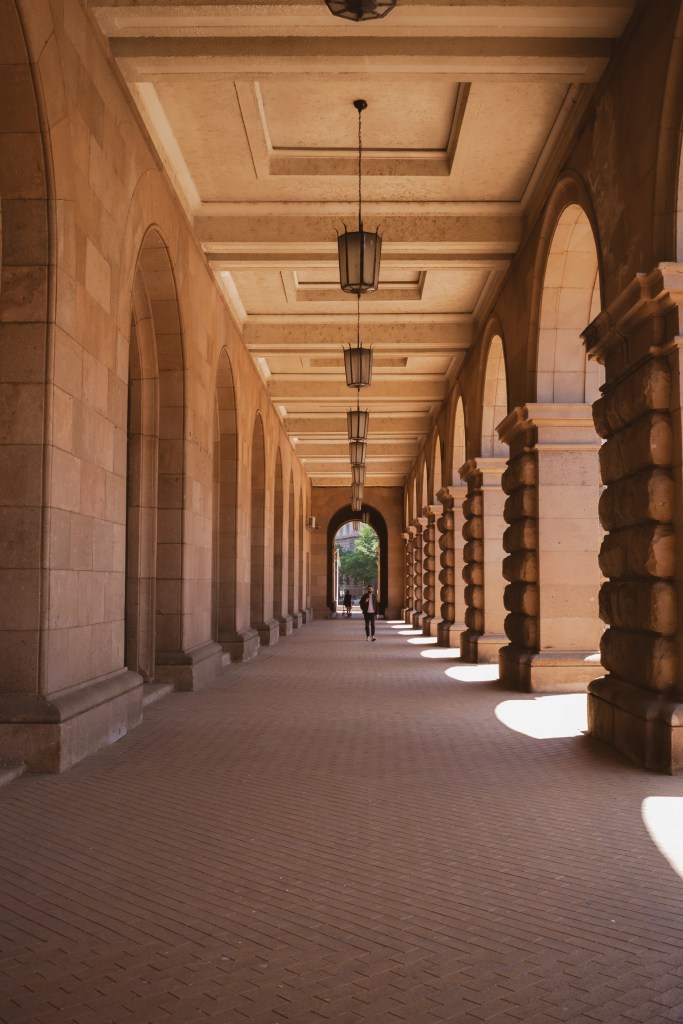
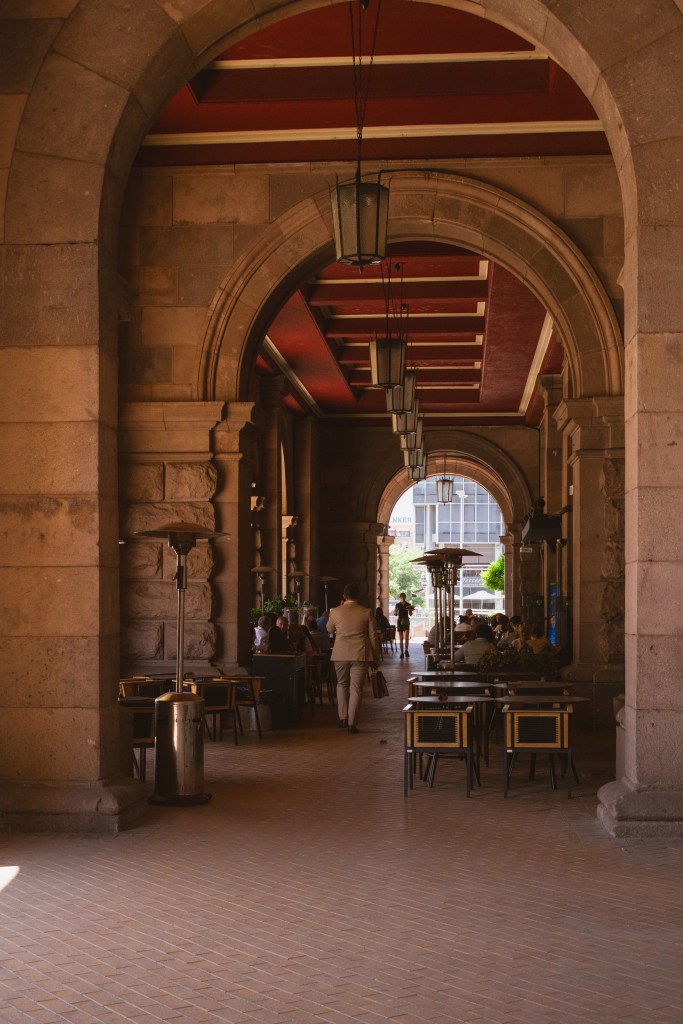
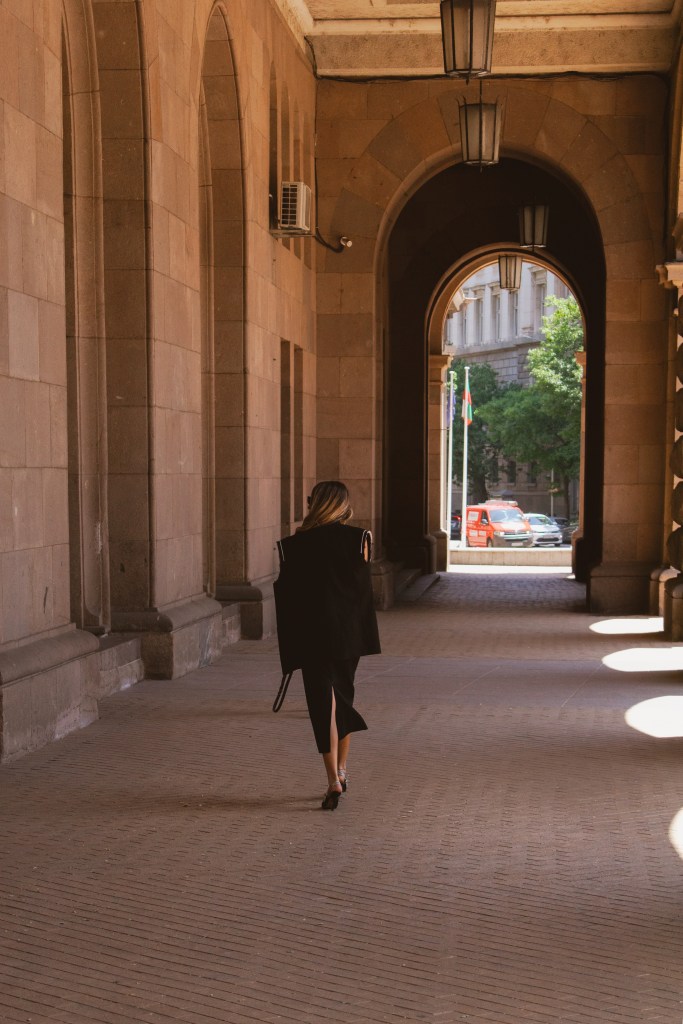
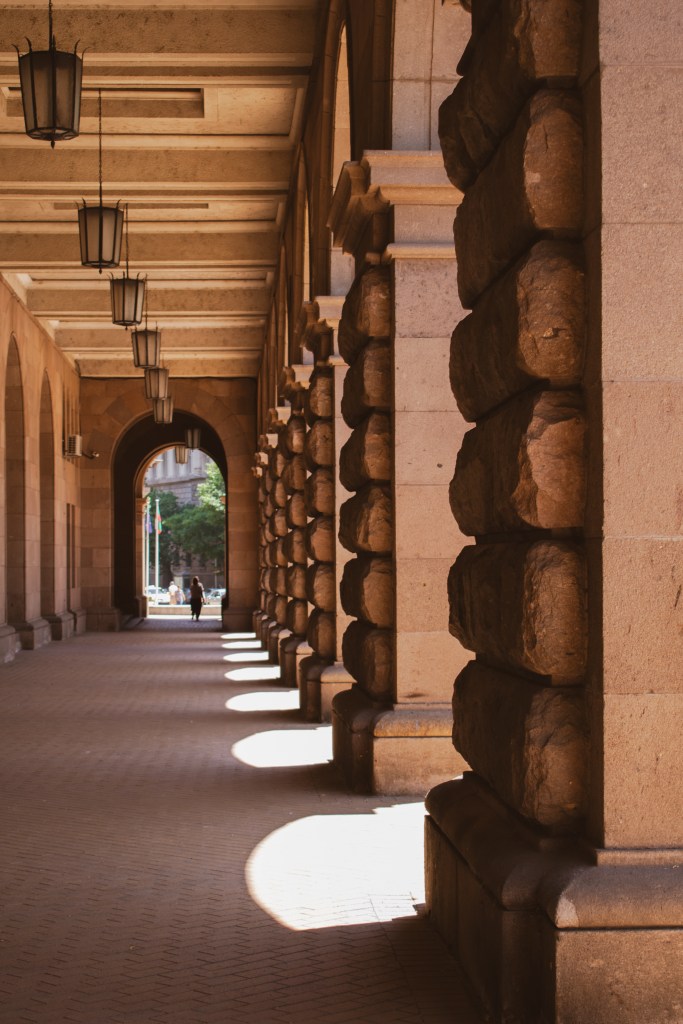
Sofia – A city in search of the wisdom buried beneath its vestiges
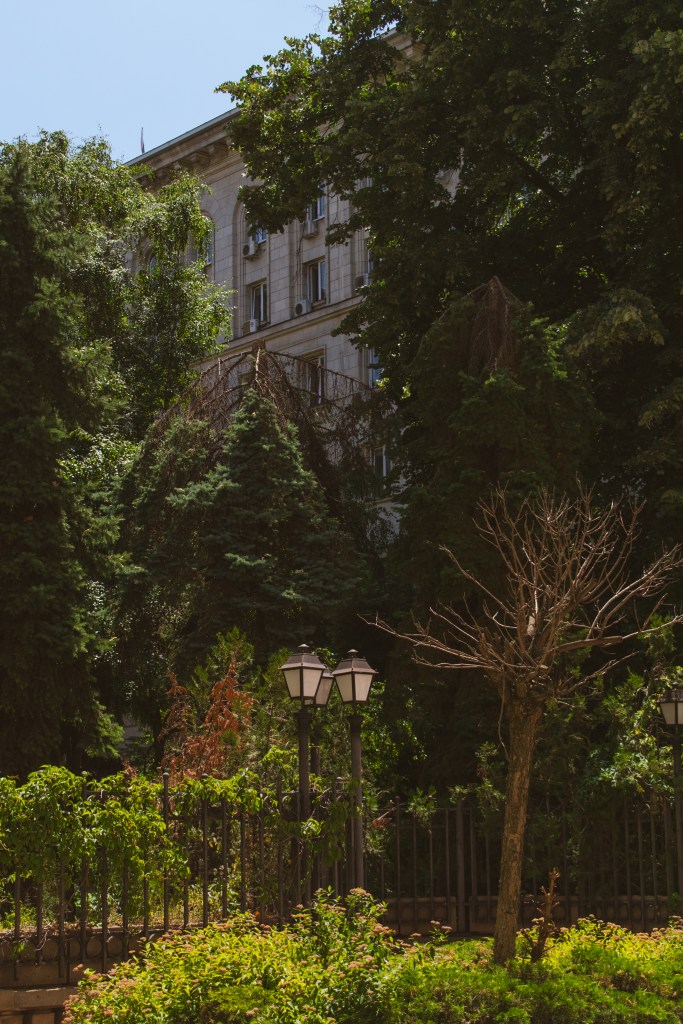
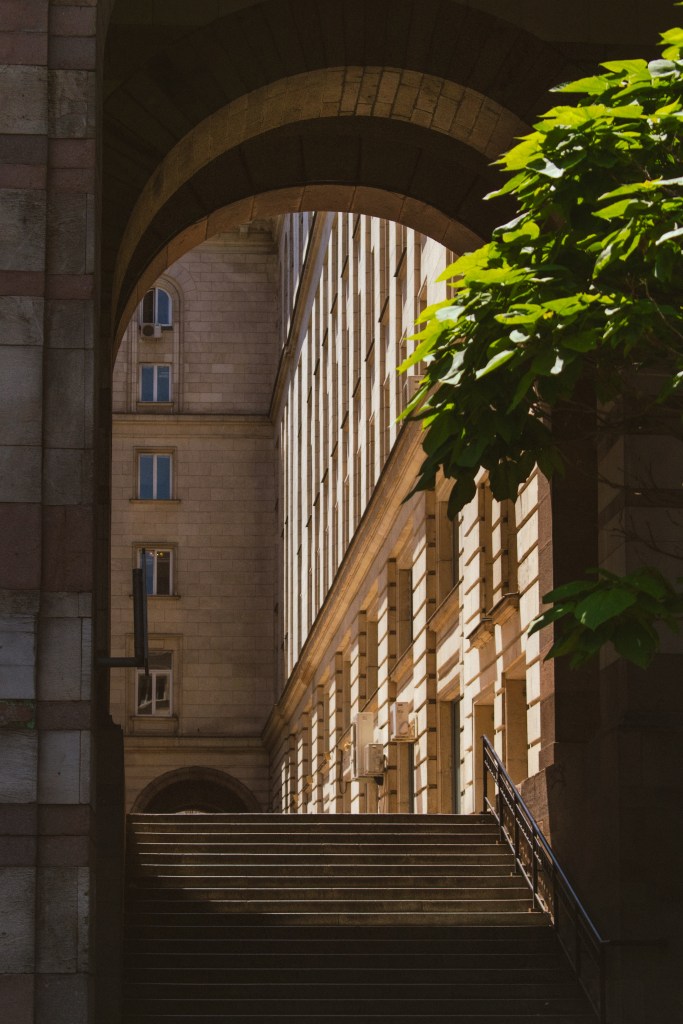
When I’m away from Geneva, I like to hide in the easygoing embrace of Sofia. I say easygoing because, unlike Geneva—once described as having “the sleepy tidiness of a man who combs his hair while still in his pyjamas”—Sofia is the half-awakened mess of that same man, hurrying through Borisova Gradina on a workday morning. Sofia is Geneva’s messy sister.
Yet, as contradictory as it may sound, when it comes to mornings, to gardens, to the synchronized rhythm of people quietly passing by, they trade their tranquility and trembling. Geneva is Martha, busy with hospitality, while Sofia is Mary, sitting at Jesus’s feet, searching for peace amid the noise.
 Zebras and Magpies