

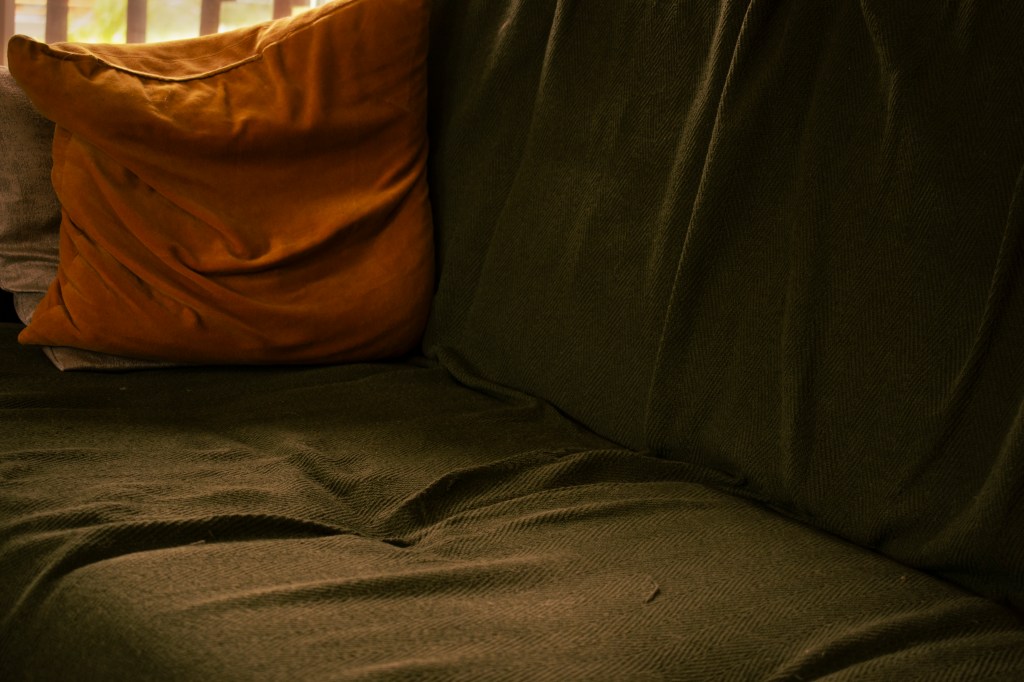
I’ve changed homes—long-term and short-term ones—and I haven’t always gone for the most modern or the most expensive ones. But two things are a must: they have to make me feel welcomed. There has to be a sense of, at least, neutrality, if not God’s presence. And, there has to be light.
When one has God and a dream, one can build a home out of nothing, or almost anything.
When a place refuses to feel like home, no matter how much you try to make one, I’ve learned—it’s best to let it be whatever it feels it is: a hotel, a temporary stay, a weird place, a decorated uncertainty, an unknown settlement—until you find one that truly feels like home.
After changing so many short-term and long-term homes, I can say this perspective works, at least for me. Instead of forcing myself to “feel at home”, I choose to be and let the place be.
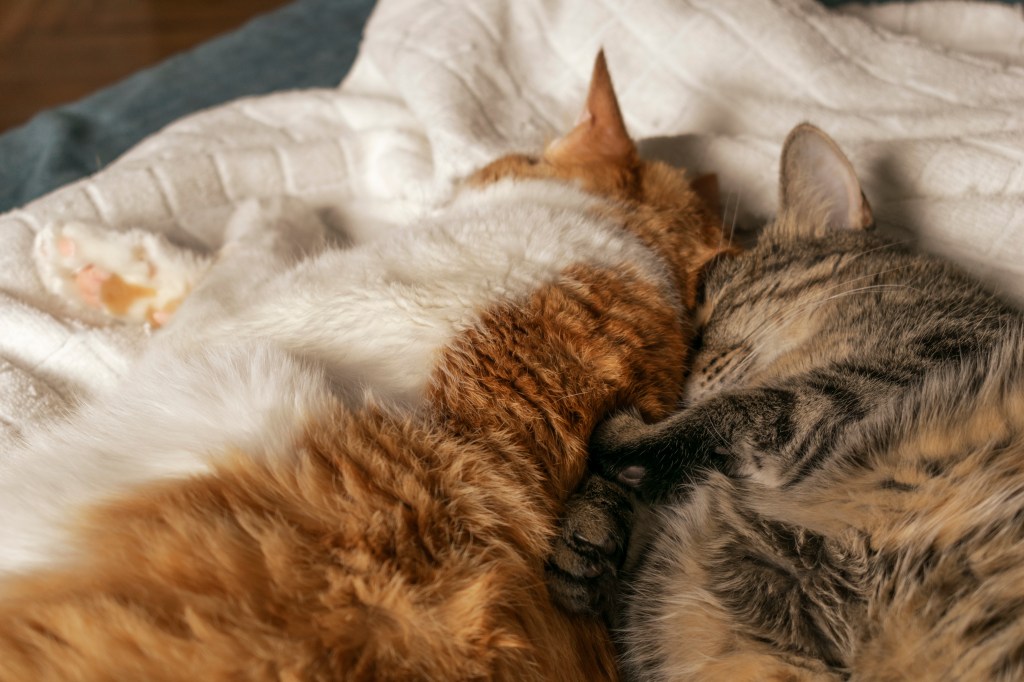
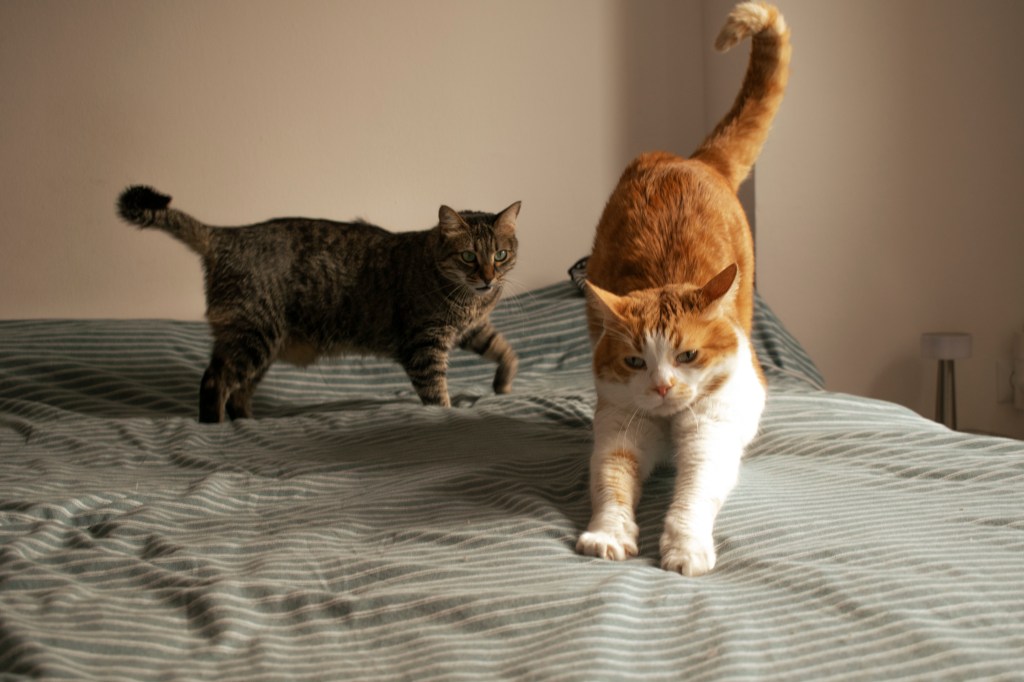
I choose to live in a decorated uncertainty where only being lost in creative work, hugging my husband and kissing my cats’ tiny foreheads gives me a feeling of being at home.

For most of my life, I didn’t have a choice of where I’d live. I grew up in the suburb of my hometown, a generally quieter place except for the noisy, saturated summers when all of the youth would gather at the basketball playground and the surrounding green area.
We lived in a brick building composed of three separate sectors, each treated as an individual domicile with its own entrance and thirteen apartments.
Thirteen different families with their own stories, dreams, conflicts, relationships and problems. Many, if not two-thirds of them, were dysfunctional. If one family would leave, another would buy or rent the apartment, bringing their own luggage — the one with clothes and toys, and the other one with unpacked emotions.
I had a sense of home mostly when I was outside, playing either on the playground or behind the building, on the wide green expanse overgrown with weeds, black locusts, and bushes.
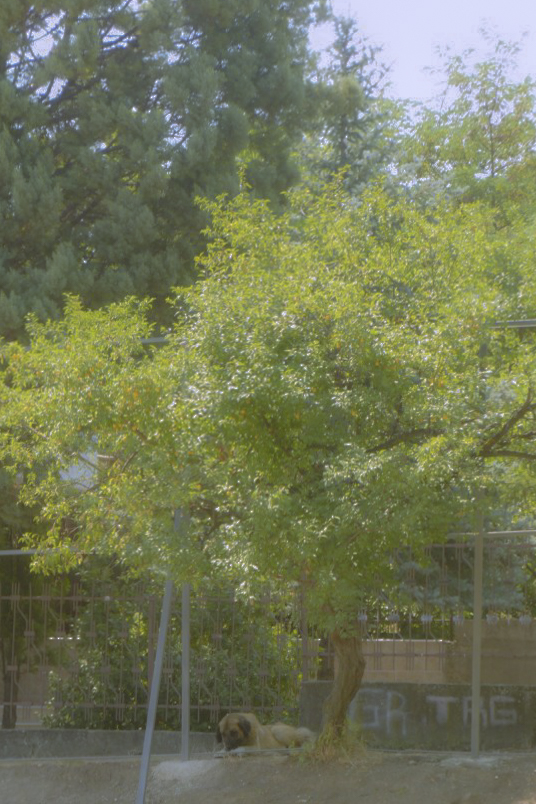
Inside, home to me were the breakfasts with my family, the late afternoons and evenings when we would play Nintendo, and those silent summer nights and dawns when I could hear only the neighborhood dogs barking, equally untiring like the grasshoppers making music throughout the night.
That neighborhood taught me what is home, but mostly, what it isn’t.
Home wasn’t expensive art; I’ve seen too many paintings at my childhood friends’ apartments being witnesses of bitter silence during lunch.
Home isn’t patriarchy, nor the lack of fatherhood: where the woman has no voice, or the child has no one to look up to.
A home—in my neighborhood, in my hometown, in my country—wasn’t a bag full of groceries, nor an empty one. Home wasn’t a duplex rented to teenagers for parties until five in the morning while mommy and daddy were out at their very personal party. In my hometown, a home was a rare occurrence.
My search for home never ended, no matter how many places I changed. As a child all up to my teenage years, I would spend my summers with my dad in his village house where he was born. A two-room stone house with a brick roof—existing proudly in the middle of nowhere, half an hour away from the first neighboring house and surrounded by a gigantic dark emerald green hill, valleys and countless of shades of greens. God’s majesty!
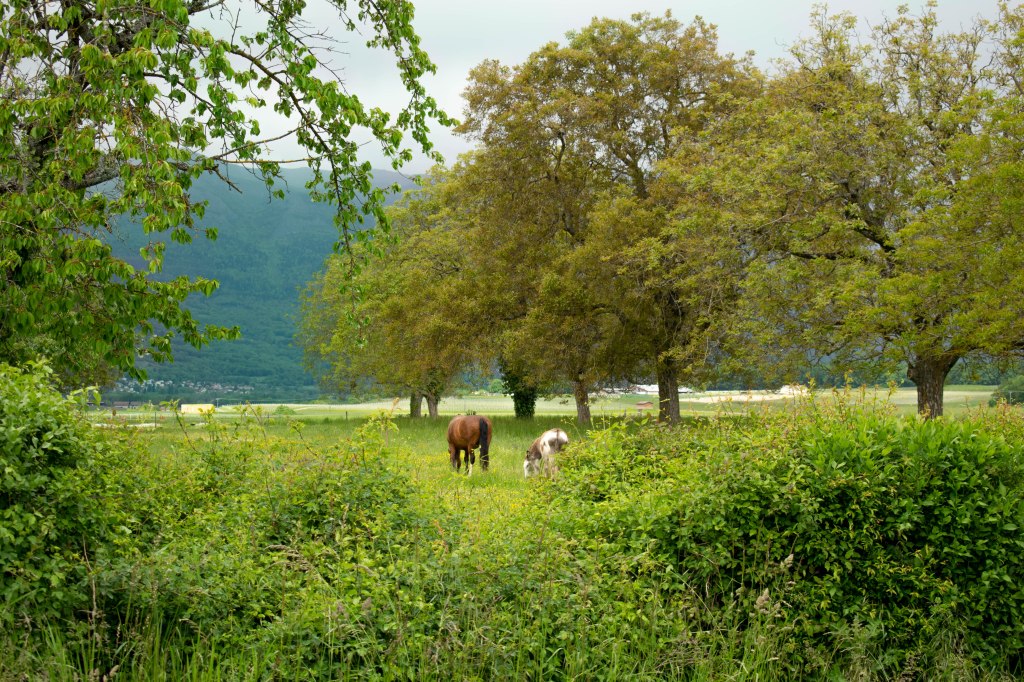
It was a home not just to us, but also to various living beings and historical remnants: insects, mice, colubrids that would persistently try to make their nests between the large stones during summer, and a tiny museum of WWII bomb fragments. My dad would take care of that, and my only worry was discovering God’s creation around me.
He would continue with his daily work, and I with my little nature projects and countless hours of swinging, making flower hair decorations and bouquets, seated on a large rock royally dressed in lichen. It took me twenty years to realize why that place stayed with me as my only true, permanent home: I was surrounded by, and in the presence of, God. I was with God.
Whenever I returned to the city—no matter which one, no matter when—and felt pressured to live and experience life in an urban way, I would re-learn what home is.
Then, as I began moving in and out—for work, for love, for a new life, for a better future, because of health complications, for a friend, for family—and grew used to changing homes, I was finally able to summarize what home becomes in your twenties and thirties.
A place where you don’t have to eat fast so you can avoid that senseless comment, where you don’t have to wait for someone to explode in anger. It’s the table on which you’re not forced to hold your tears, eat more food or be pressured to drink alcohol. It’s the embrace behind which you know there is no evil, satisfied eyes feeding on your suffering. It’s the balcony from which you won’t hear a stranger’s broken voice echoing through the neighborhood, asking in tears, “Is there a mother in this home? Is there a mother?”
A home is where you don’t have to leave a room—or be forced to enter it—because someone else arrives. A home is where you aren’t ashamed to unlock the door, or afraid that behind it there will be awkward silence and uncried tears.
A home is where light is, without having to see the light is left on and wonder what the atmosphere on the dining table is.
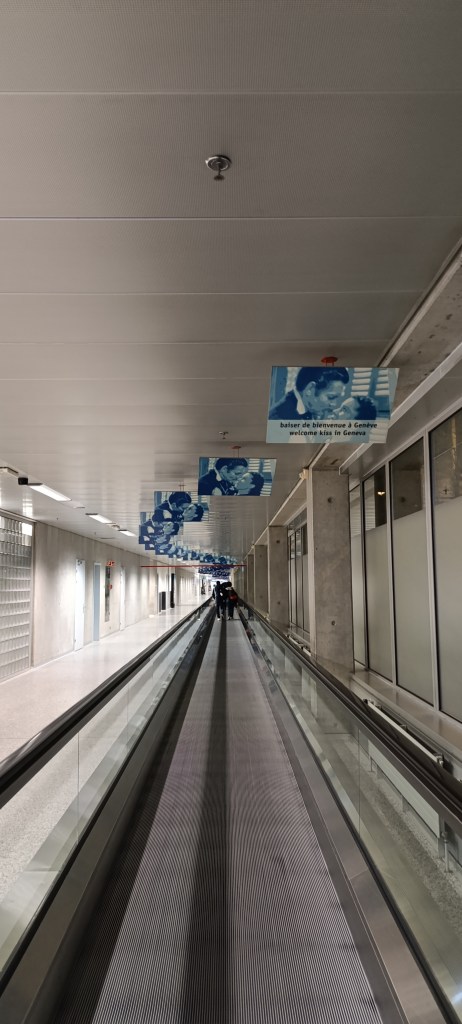
A home is a place beyond borders and at the border; at the counter where someone smiles back at you when they see your passport and says “Welcome”, or in the embrace of your friends waiting for you to come back abroad. A home is your second country of origin that you have been waiting for years to move to and slowly learning to know why your first one hasn’t felt like home for so long. It’s learning that your people have been waiting for you, too.
As you grow, you will realize that ‘What’ will change its place with ‘Where’, and you will continue to wonder, until one day, you wake up realizing that you don’t have to run away anymore — because you have arrived.
Home is the place where there is no war; between you and demons, or any other form of evil. And where demons can’t come, there is God.
There is one more question that has burdened me over the past ten years.
How does one build a home amidst uncertainty?
While in a season of waiting, you cling to God and let Him give you that sense of belonging, until you build or buy a permanent home in the place where you feel at home. Then you bring God with you and show Him what you’ve made. Only to hear Jesus whispering: “I told you I haven’t forgotten you; I was busy preparing the soil. Your garden is ready.”
To me, only then will home have its full meaning.
Song of the Day: Home – Alter Bridge
Read of the Day: Trees: Contemplations and Poems by Herman Hesse
Photography Exhibition: “Home Before Dark” by Sofiya Chotyrbok
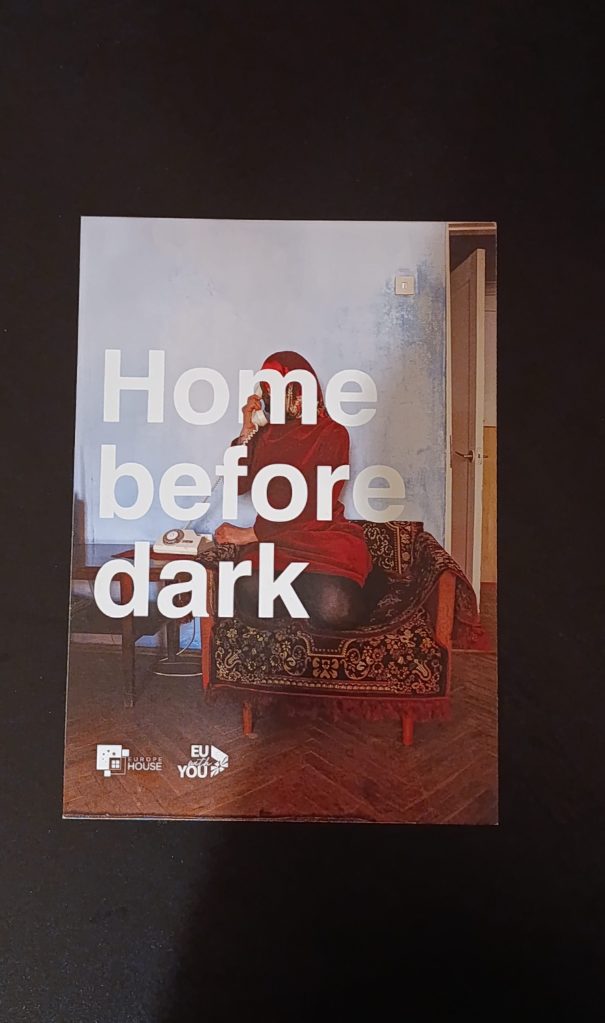
I saw this exhibition in February 2024, and it stayed with me. I kept the promotional flyer and found it only a few days ago, just as I was beginning to work on this topic. I believe it was my subconscious digging through memories—both early and recent—connected to my perspective on what home is.
Attending the exhibition felt like sitting among the remnants and ruins of all the past places that have been hers and mine.
Born only a year apart and acquainted with the modesty of (South) Eastern European homes, carrying both deep nostalgia and a quiet, transitional sadness—me, living in a developing country marked by the brutal uncertainty of (potential) war and the continuous search for identity under the stamp of dual citizenship and transnational life—and her giving up on one to gain another and having walked in my shoes—it felt as though I had met her directly, along with all her unanswered questions.
Or maybe they were mine, reborn through the lens of a wandering, matured youth.
 Zebras and Magpies
Leave a comment