

Have you ever stared at the sofa in your home? Have you ever observed it as more than a piece of furniture? If you do, you’ll notice it has character, history and probably, some marks of existence.
It carries everything you’ve ever wanted either to leave behind or treasure: the tiredness, the hunger, the dreams, the sloppy breakfast, the crying, the laughter, the perfect night with friends, the cozy family evenings, your pet’s fur and their hanging claw, the wine stain, the unfinished coloring book, your kid’s little socks—and, more often than you notice, the heaviness of your wandering mind.
By coincidence or not, I had the pleasure of meeting and speaking with Zoran Radonjanin, one of the founding gears behind Feydom’s innovative furniture design. Together with his wife, Filimena, they have built Feydom into an ever-growing sofa fort.
A sofa is more than a cushioned seat. It’s a legacy of one’s life.
And who better to convince you of this than someone who has dedicated half a lifetime to creating innovative furniture?
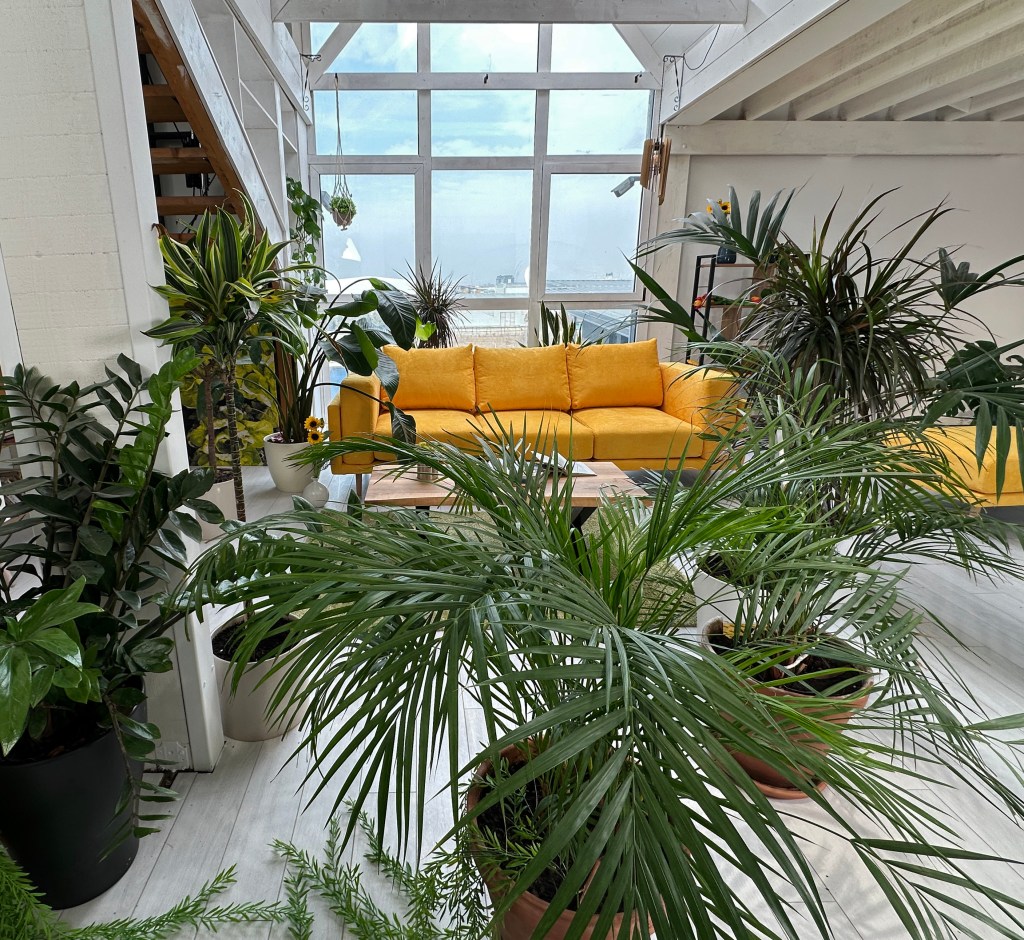
Image courtesy of FEYDOM
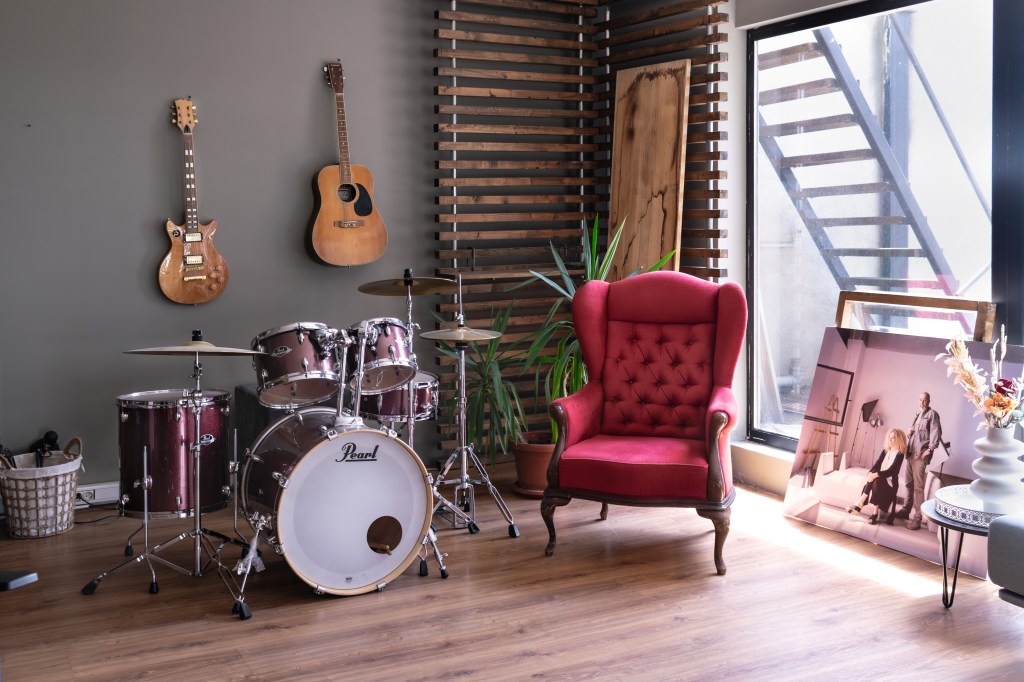
We met at their home in a Skopje suburb, away from the capital’s noise and into a realm of silence.
A young black cat with a red pendant necklace welcomed us from the grey stone fence of the neighboring house. Opposite its coldness and the firm boundary, Zoran welcomed us with a wide, warm yet modest smile.
A broad garden awaiting some finishing touches, an inviting swimming pool, and a welcoming entrance led us into an open-plan space—just an introduction to what Feydom really is.
Later in the conversation, Zoran says—it’s a platform for creatives. That’s exactly how their home feels.
A week later, I headed to the Feydom factory in Skopje. This time, I’m not visiting a home but the place where the foundation of one is built—modern, modular, transformable sofas.
Filip, Feydom’s Head of Digital Marketing, welcomes me to the office and takes me on a tour through the factory. Fine sawdust sticks to my shoes. I can sense the smell of cut wood. The machines hum like old, dependable giants—CNCs carving wood into the shapes that will soon become sofa frames.
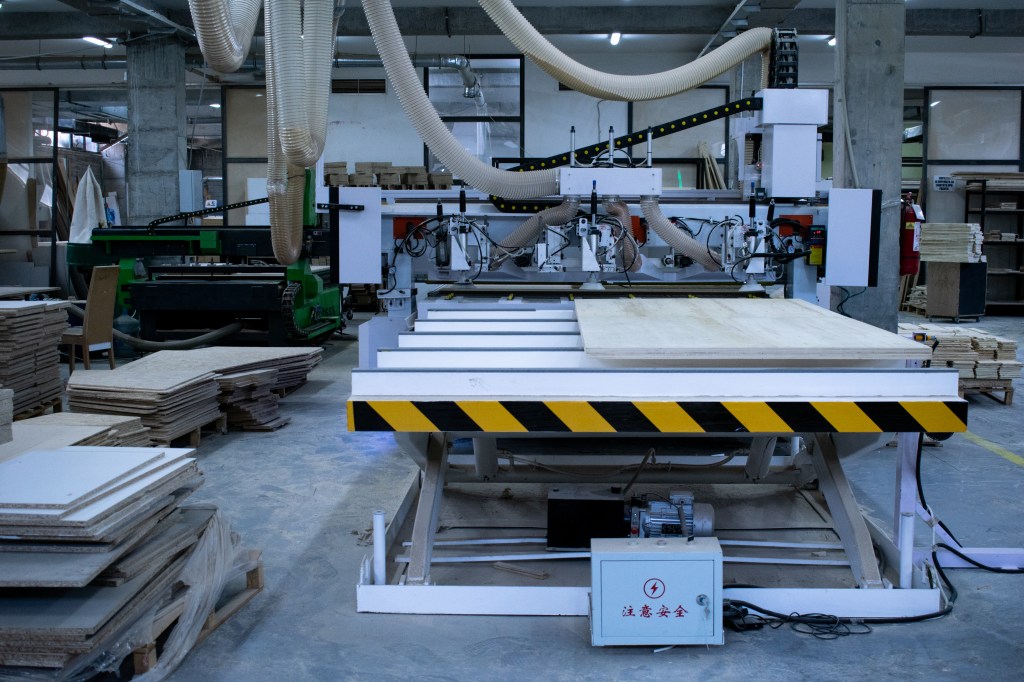
Somewhere behind it all, an engineer draws. Every day, he prepares technical drawings for scores of furniture pieces.
We move into a space where things begin to come together. Foam sponges are shaped and stitched; fabrics are cut and sewn with practiced precision. Leftover sponge becomes stuffing; only the unusable bits are discarded. Signs for protective equipment stare from the walls.
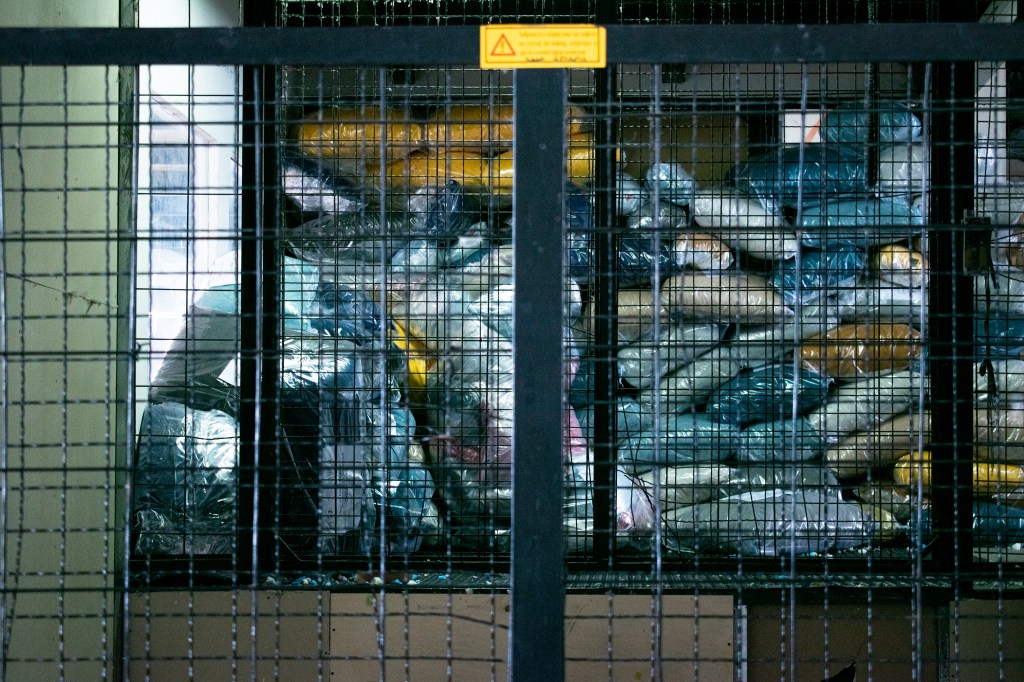
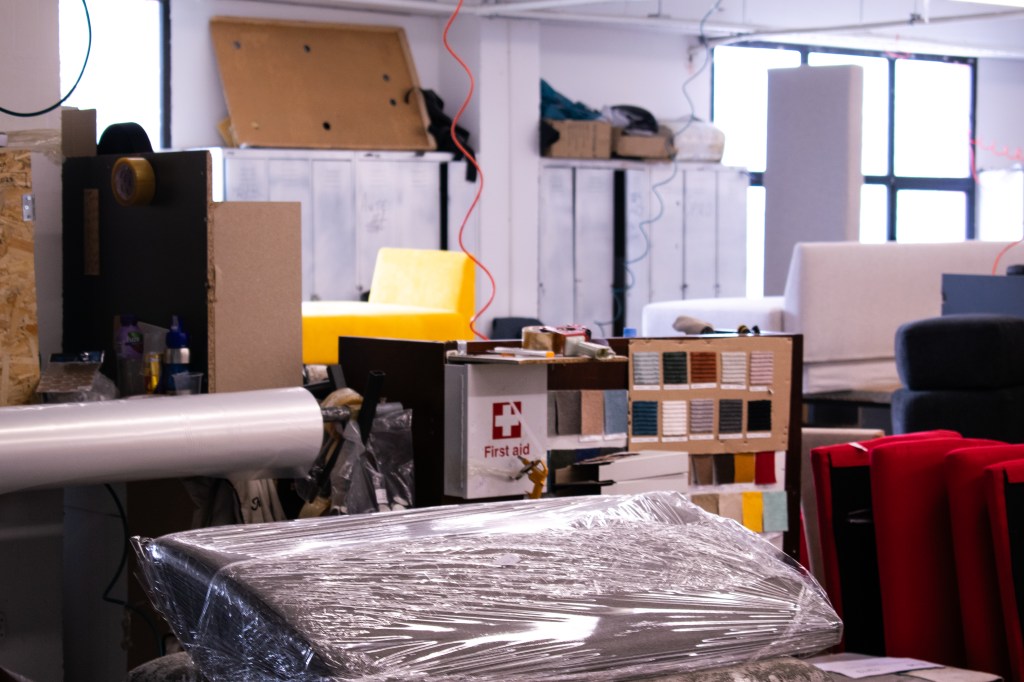
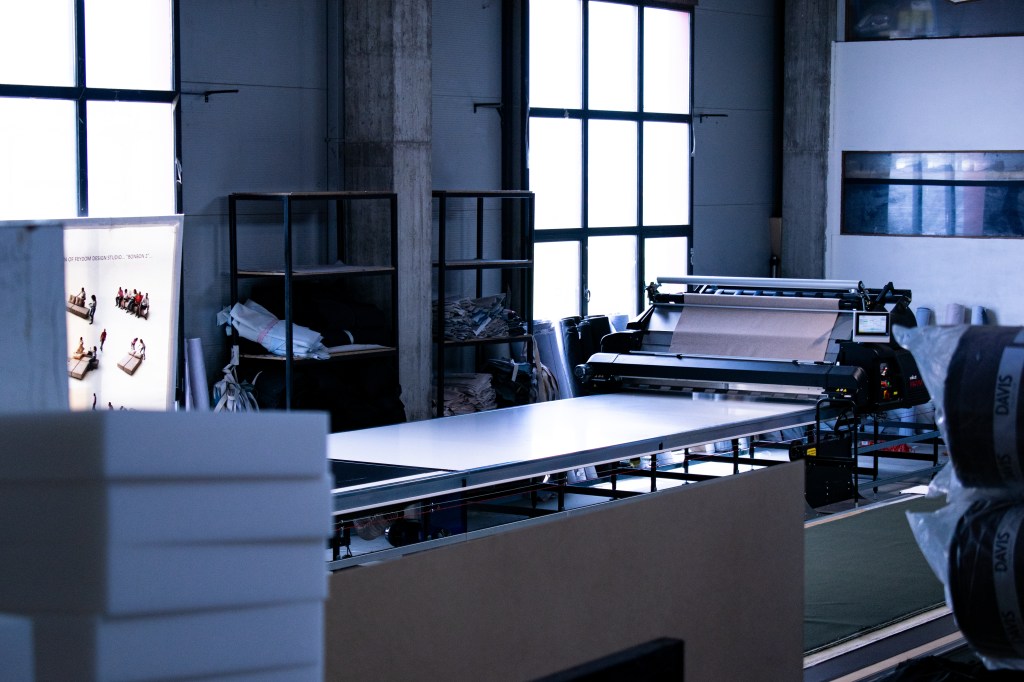
It’s loud and dusty. And yet, everything works. Men pause mid-task to greet us with a smile, curious about who’s wandered into their ordinary Friday. There’s laughter. Music. Graffiti scrawled on the walls—funny, cheeky, human.
In another room, women are sewing. One of them leads me through the seemingly simple sewing process and shows me the threads—she usually uses three to five at a time, mostly white to keep things looking seamless. She speaks quietly but with pride, eyes fixed on her piece of art.
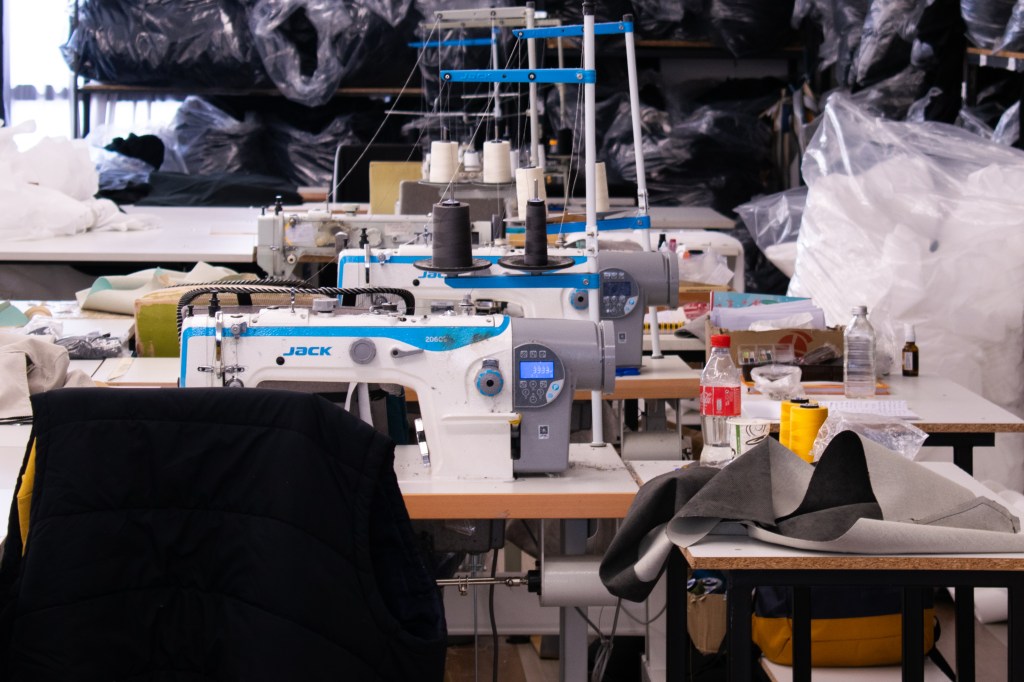
The wood—blocks of beech, fir, pine, juniper—passes through all of this. There is peace within me in knowing that Feydom has invested in 50 hectares of forest and continues to grow it into a tiny jungle.
At the end of the tour, Zoran awaits us back in the office—or part of it—once again, an open-plan space welcomes me back into its realm.

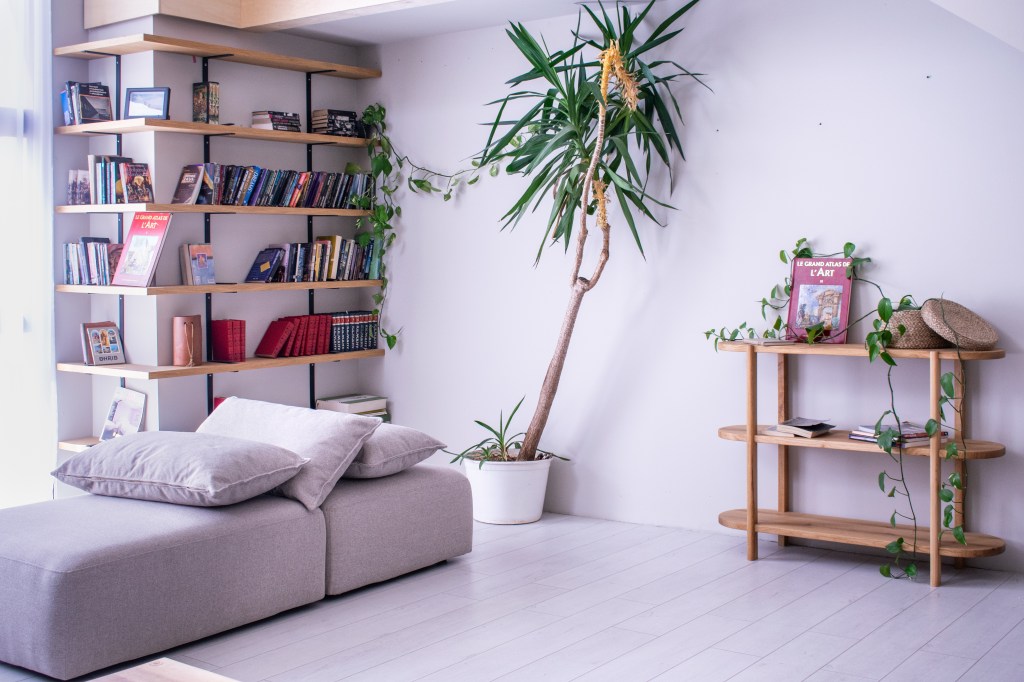
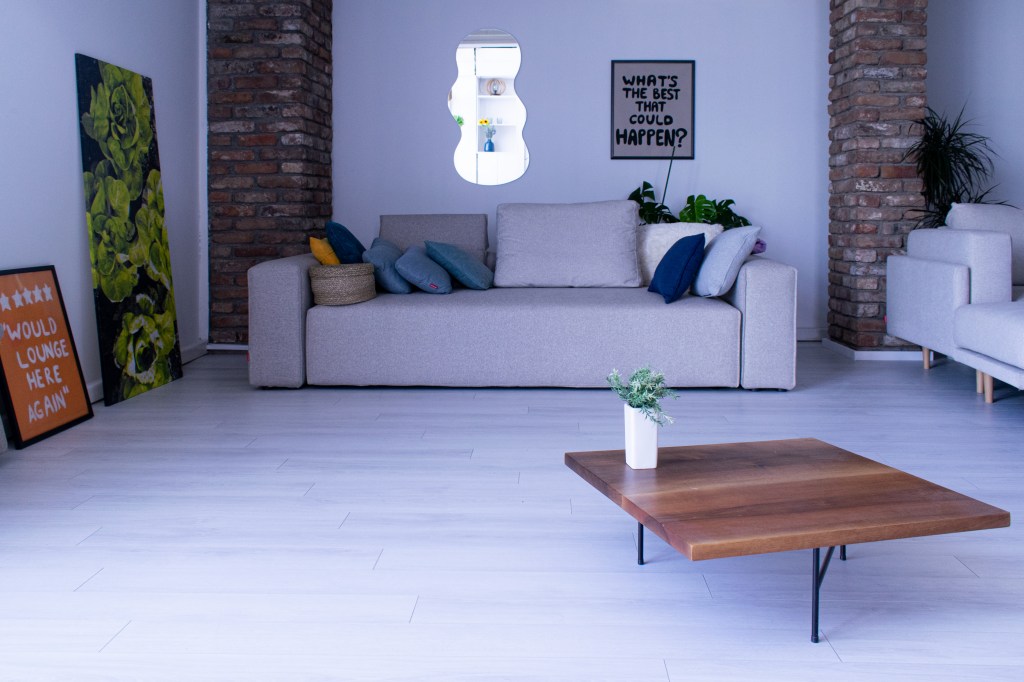
A conversation already sparked continues at the desk. In our eclectic exchange, he unpacks why—among other things—your sofa should change as much as you do.
Z&M: What does “home” mean to you?
Zoran: How do I answer this? If home were just a feeling or an idea, it would be the feeling of belonging. But it’s never that simple.
I was born in a small city in a country that doesn’t even exist on the map anymore. That was home. Later, with my wife and kids, we lived in Sydney, Shanghai, Lisbon, Skopje… and that was home too. For a long time, I would’ve said: home is where the family is. But things change. We grew, we scattered, and now none of us really knows where the next destination will be.
So no, home isn’t just a city. It isn’t just people. And it’s not only a feeling. It has to be a room, real, with walls and ceiling and floor and at least one couch, a place to return to at the end of the day.
So, maybe the most honest answer is this:
Home is that one small piece of the universe where I don’t need invitation or anyone’s permission to walk in and fall asleep.
Z&M: How did your journey toward founding Feydom unfold? Were there any major obstacles, and what kind of support did you have along the way?
Zoran: FEYDOM began as a product design studio, focused on finding affordable solutions to the real problems of modern living—limited space, fast-changing needs, and constantly evolving lifestyles.
My wife Filimena and I decided to join forces and build a creative business centered around innovative furniture design. But it didn’t take long to realize that the furniture industry wasn’t exactly rolling out the red carpet for designers. Creative work was often pushed to the margins—undervalued, underpaid, and judged without clear criteria.
On top of that, most manufacturers were more interested in scaling what they already had than investing in anything new. So we had no choice but to build our own small workshop and start producing the sofas ourselves.
A few entrepreneurial friends joined us in the beginning, but they soon dropped out, once it became clear this wasn’t a sprint, but a marathon.
The next surprise? No one seemed willing to make the effort to properly present our products either. They were too versatile, too different from the usual. So, once again, we had to do it ourselves. We opened one store. Then another. And another.
Eighteen years, forty stores, and a few grey hairs later, here we are.
Z&M: You’ve described Feydom as more than just a business—it’s a platform. If you had to sum it up in one sentence, how would you describe it?
Zoran: FEYDOM is more than a furniture company, it’s a platform for creative people to build and grow their own ideas.
To explain: Running a product-based business is complex. It’s not just about design—it’s manufacturing, distribution, retail, marketing… all deeply interconnected. Since we did not have a name or capital to outsource any of these areas, we had to build each one ourselves, from scratch.
But instead of creating one centralized company with many employees, we treated each operation as its own business, and invited others to join as partners. Using the principle of Open Allocation, people could choose their focus based on their skills and interests, while tapping into our shared resources to grow their own teams and earn from their results.
For this to work, we embraced total transparency. All our data is open to anyone who shows interest. And what we gained in return is priceless: an organization that stays innovative, where every individual success lifts the entire platform.
Z&M: Which piece of furniture you’ve designed makes you the most proud—and why?
Zoran: Design and product development is really about solving problems. That means going through the full cycle—excitement, fear, frustration, joy, and finally, a deep breath of relief when the product finds its place on the market. There’s not much room for pride in the middle of all that, but let’s be honest: we all love the models that sell well.
You want to know the difference between good design and bad design?
Good design is already in someone’s living room, being used and loved.
Bad design is still standing on an exhibition podium—looking proud and beautiful.
Z&M: What’s the process of taking an idea from a single piece of furniture and turning it into a whole line?
Zoran: It starts with a problem—one that’s actually worth your time to solve. Then comes the idea of how to fix it. After that, it’s the full marathon:
Drawings, 3D models, material selection, prototyping, adjusting for production, pricing, online presentation, showing it in stores, watching public reactions, fixing everything you got wrong the first time…and finally, offering it to distributors.
From start to finish, it takes anywhere from six months to a year. And then, if you’re lucky, you start the process all over again for the next piece.
Z&M: Time management, willpower, focus… What else would you say is essential to thrive in this industry?
Zoran: Honestly, I’m not even sure what those words really mean, and I definitely couldn’t tell you if I have any of them.
In my case, the first essential is vision: You need to be smart enough to realize that waiting leads nowhere. So, you’d better decide what kind of world you want to live in, and start building it.
The second essential is ignorance, the useful kind: You have to be just naive enough to set yourself impossible goals, while conveniently overlooking all the obstacles in your way.
And the third is luck—especially the kind that introduces you to people who stick around when things get messy.
Every quality person you add to the team multiplies your chances of success. Sometimes exponentially.
Z&M: What sets Feydom apart from other furniture brands? What’s your unique selling point?
Zoran: We like to say we’ve got the full package: modular, customizable, transformable, durable, and still affordable.
Our sofas can be reconfigured, restyled, or refreshed in minutes. Change the layout, swap the colors, update the fabrics, no tools needed. That means they stay relevant for years, even as your lifestyle keeps evolving. In a way, they grow with you. That adaptability makes them sustainable by design. (Add to that the fact that we grow our own forests and power our production with solar energy).
In the end, what we make isn’t just furniture. It’s a smarter way to live.
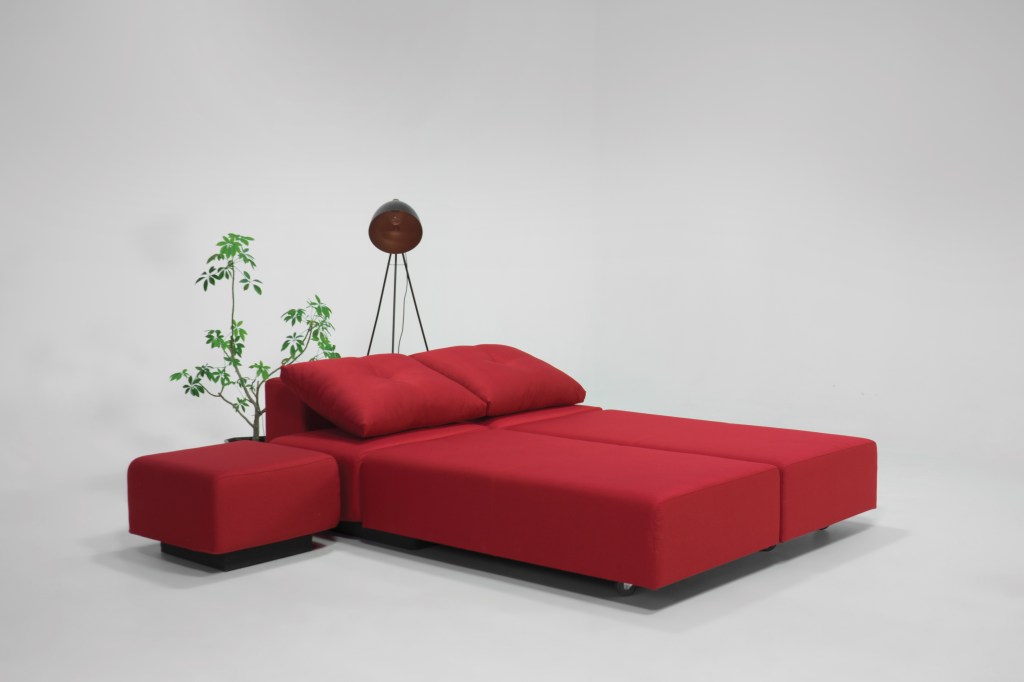
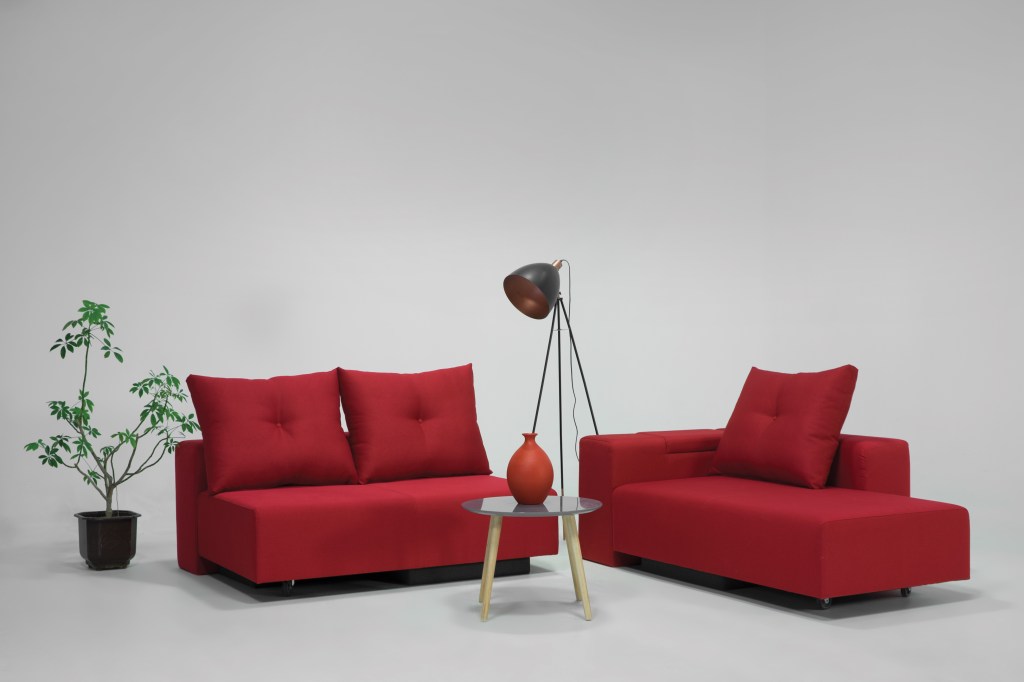
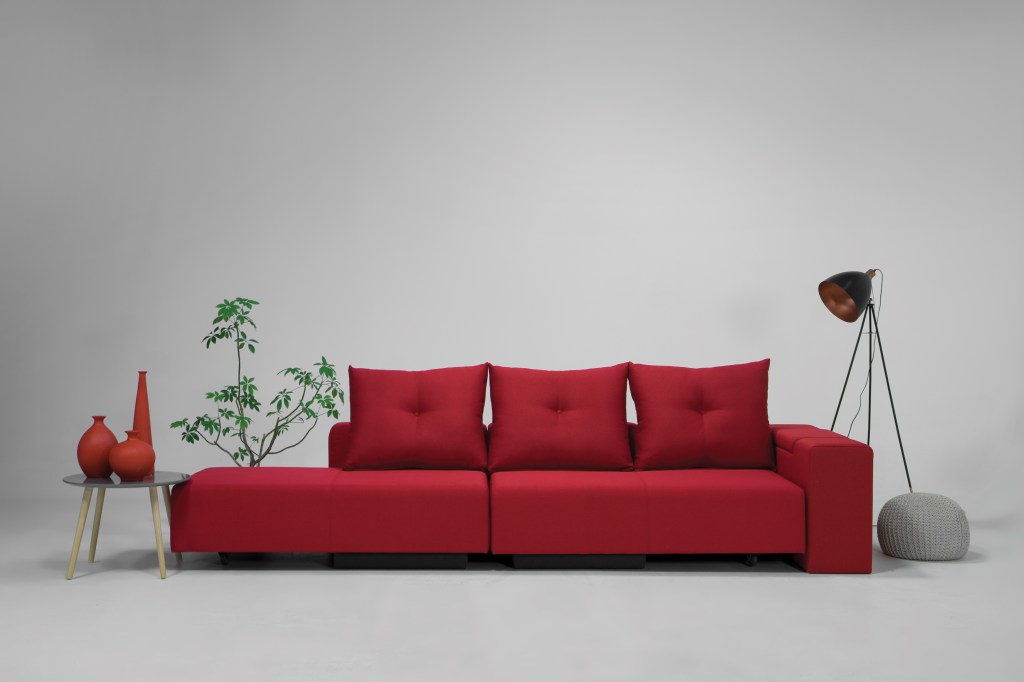
Bonbon Red, image courtesy of FEYDOM
Z&M: Does this line of work require a lot of personal sacrifice? Or to reframe it—what have you had to sacrifice to get where you are today?
Zoran: No, nothing. We were so deeply immersed in this project from the very beginning that there was never anything left to sacrifice.
I’ve never really understood the whole work-life balance concept. For us, work and life were never two separate things, they grew together, tangled like roots. We didn’t build FEYDOM next to our lives; we built it into our lives.
So if something got sacrificed along the way, we were probably too busy building sofas to notice.
Z&M: 10. How do you incorporate decorative art pieces—like lamps, paintings, or vases—into Feydom’s clean, modern aesthetic?
Zoran: We don’t try to steal the show. FEYDOM sofas aren’t here to tell you how your living room should look, they’re here to listen. Think of them as the flexible stage, not the lead actor.
Our systems are designed to adapt, not just to space, but to style. Your lamps, your paintings, your wild ceramic parrot collection? Bring it on. We provide the structure; you bring the personality. Considering how much real estate a sofa takes up, it might as well be part of the architecture, but this one shifts with your mood, your colors, and your ever-changing taste.
Z&M: What’s one piece of advice you’d give to first-time homeowners shopping for furniture?
Zoran: In the past, home styles and furniture would stay the same for a generation. Today, trends change every year, and your own taste might too.
So here’s the advice: whatever you choose now will probably go out of fashion, or just start to feel wrong, sooner than you think. And changing it can cost you time, money, and nerves.
That’s why it’s smart to invest in something that’s easy to update or reconfigure.
In other words: choose flexibility. Your future self will thank you.
Z&M: What kind of furniture would you recommend to pet owners?
Zoran: Considering I’ve had many animal friends live with us over the years, and we were never quite sure who owned whom, I find this question tough, with too many possible answers. So instead, let me recommend a pet for furniture owners: Get a fish.
Of course, any of FEYDOM’s sofas can do the job with ease, as long as the cover is microfiber.
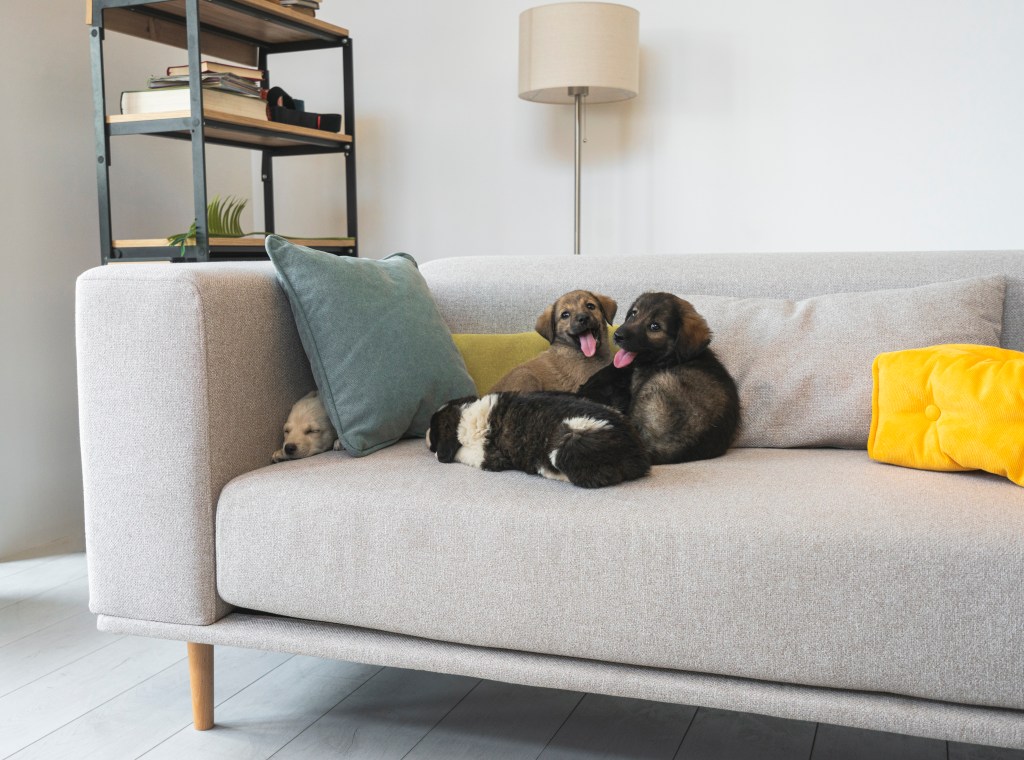

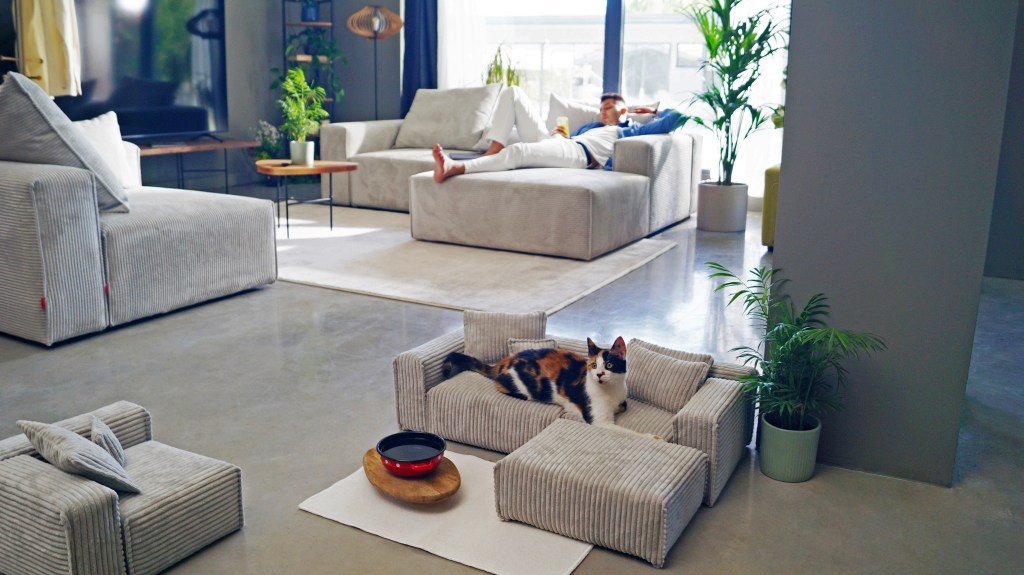

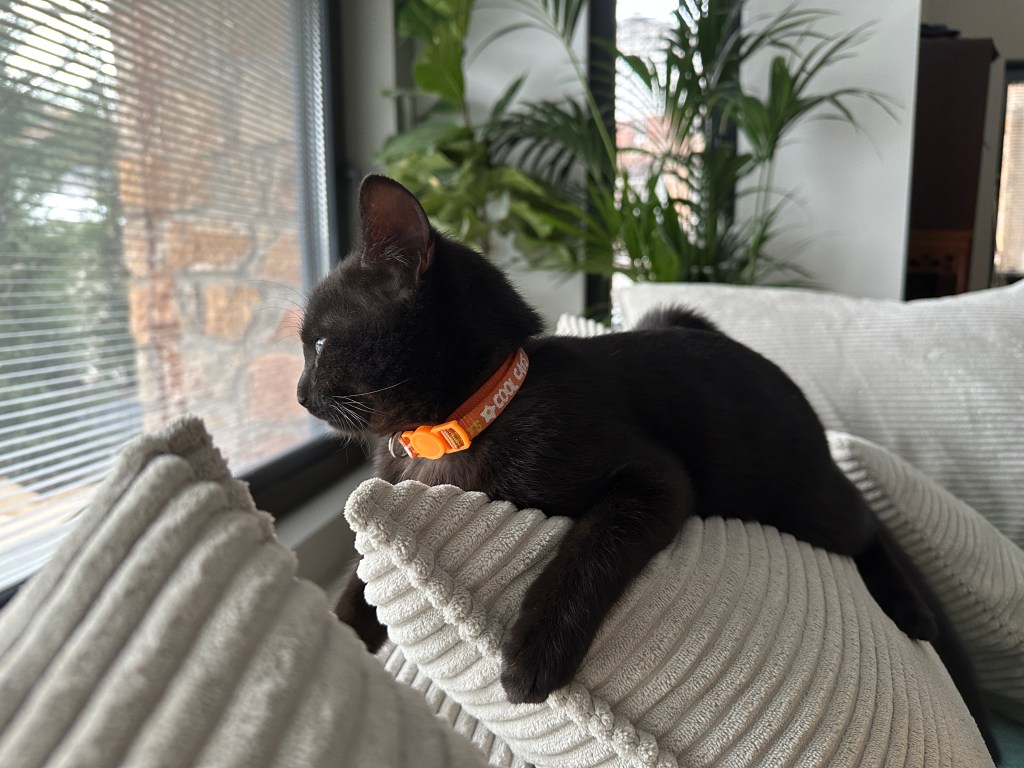
Image courtesy of FEYDOM
Z&M: If you had to live in just one room of your home for the rest of your life, which one would you choose—and why?
Zoran: The living room, of course. It just makes sense, it’s the only room that already has “living” in the name. Why fight the obvious?
In fact, I recently knocked down all the walls and ceilings of a small house and turned it into one big living room. Now it’s where I eat, sleep, work, think, host friends… Basically, it’s life in one open space and I love it.
Z&M: Besides the highly functional, modern, and clean aesthetic that defines Feydom, is there another design style you enjoy exploring or working with?
Zoran: Yes. Design monogamy is overrated.
Z&M: Is there a dream or big goal you still hope to accomplish with Feydom?
Zoran: Yes, of course. In many ways, we’ve only just begun.
There’s a new generation of talented people who are making FEYDOM their story now, and they know they’re building one of the top furniture brands in the world. It might take the world a bit more time to catch on, but we’re getting there.
The current goal? At least one FEYDOM store in each of the 100 most iconic cities on the planet. People everywhere love the concept and the price-to-quality ratio. Now it’s on us to bring the product closer to them.
Z&M: You’ve won a lot of awards with Feydom. Which one is the most special or meaningful to you?
Zoran: Awards like the Iconic Award for Interior Innovation, the German Design Award, and the German Innovation Award are all special, these are some of the most prestigious recognitions in the design world.
We’re in very good company, sharing space with some of the most famous superstar names in the industry.
But honestly, one award doesn’t mean much on its own. Thirteen awards in thirteen years—that tells a different story.
For us, they serve a simple purpose: to help customers who’ve never heard of our brand feel a little more confident saying yes to something new. And judging by the results—it’s probably working.
Z&M: How would you describe your ride-or-die work partner?
Zoran: Long curly hair, a smile that says “We’ve got this,” and a wild, self-sustaining curiosity that refuses to be tamed.
All photos by Zebras and Magpies unless otherwise credited.
Interview conducted in May 2025.
 Zebras and Magpies
Leave a comment